Plesiosaur Tooth in matrix
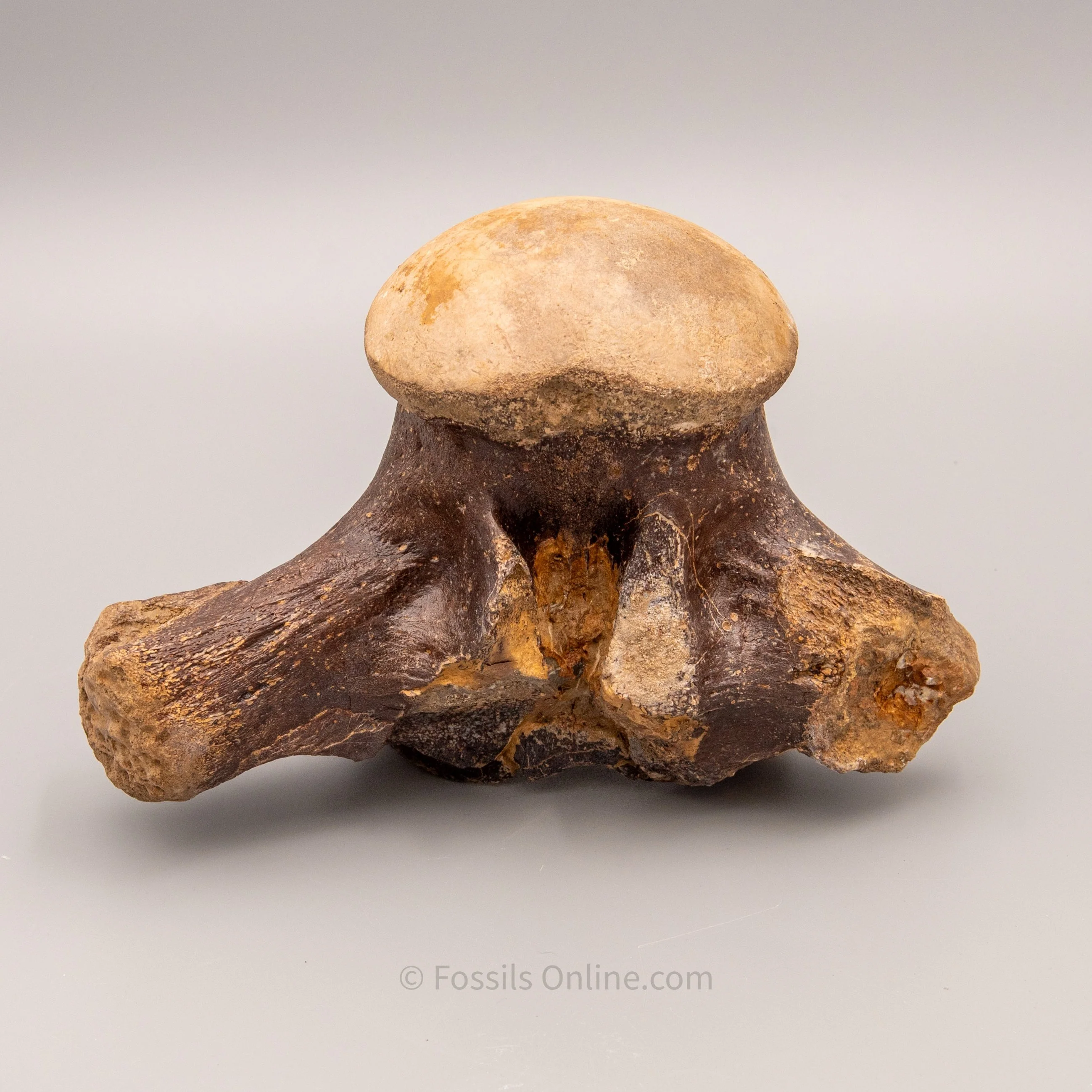
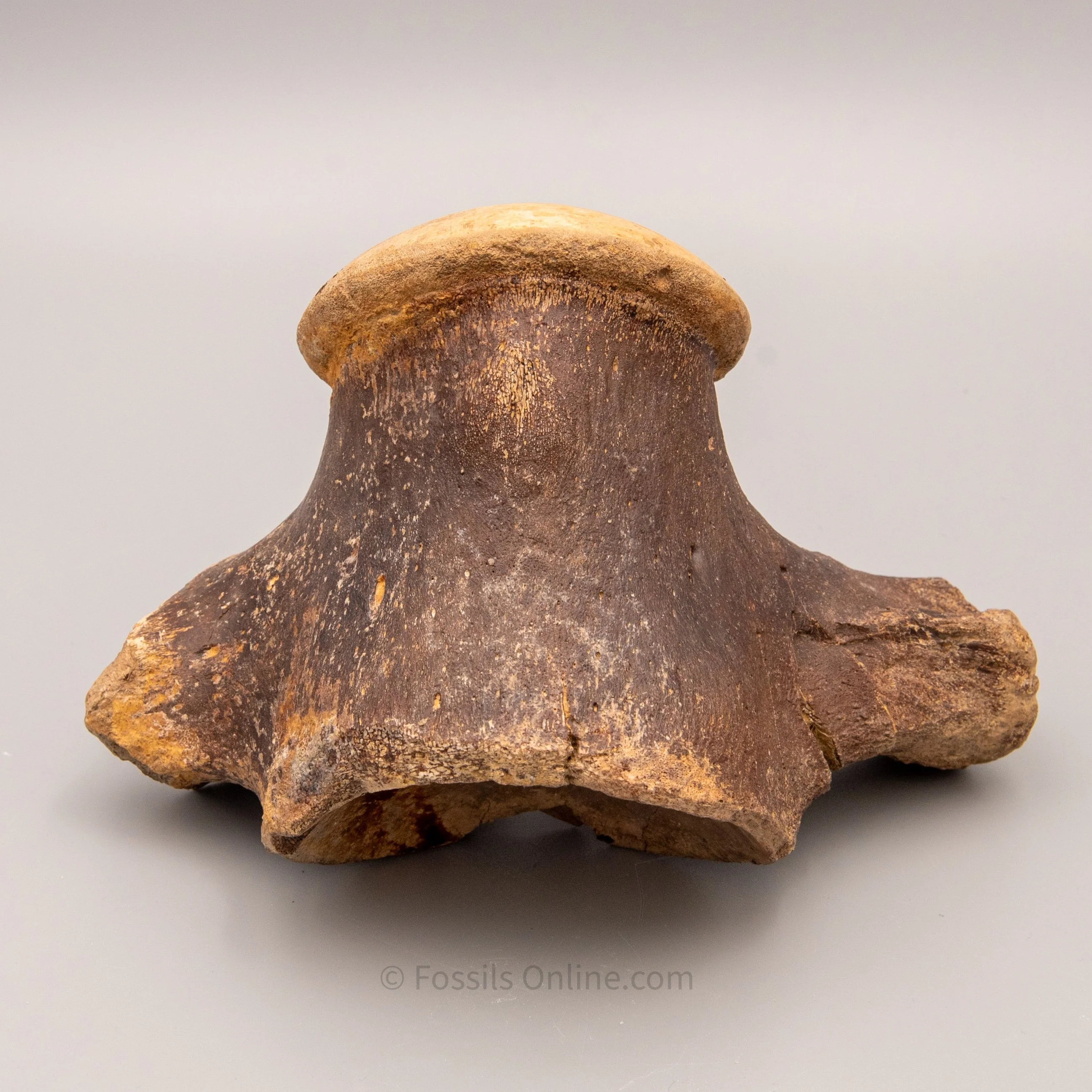
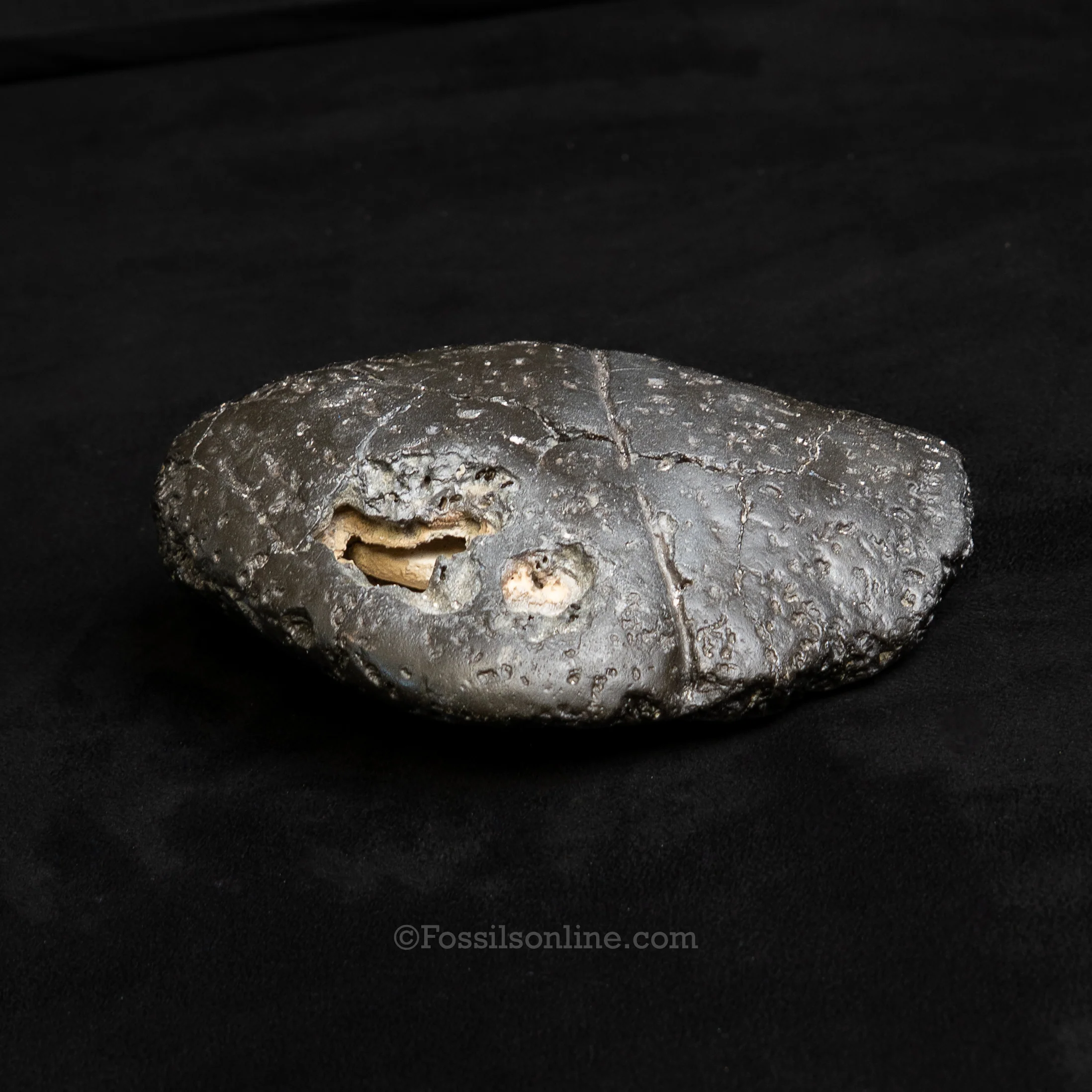
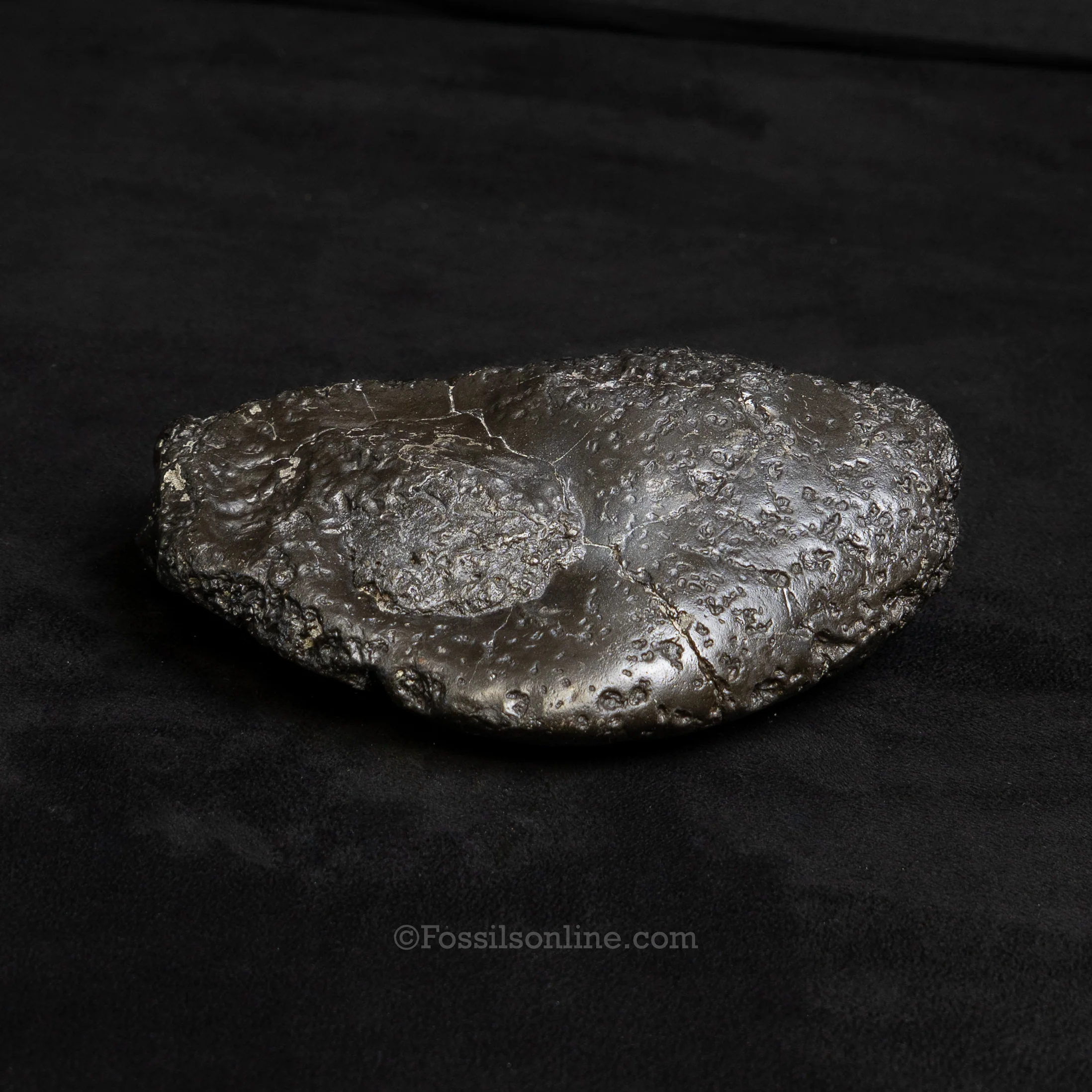
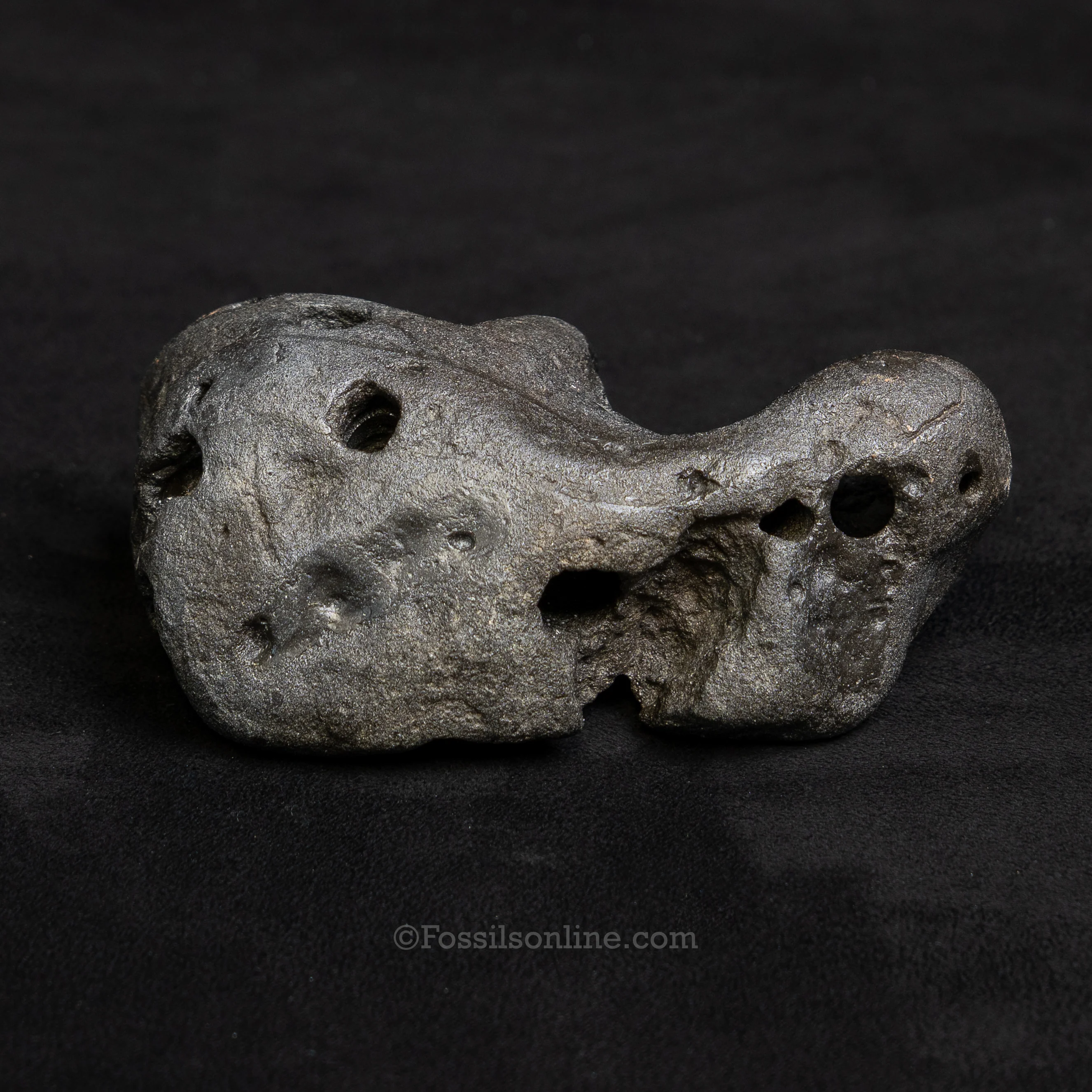
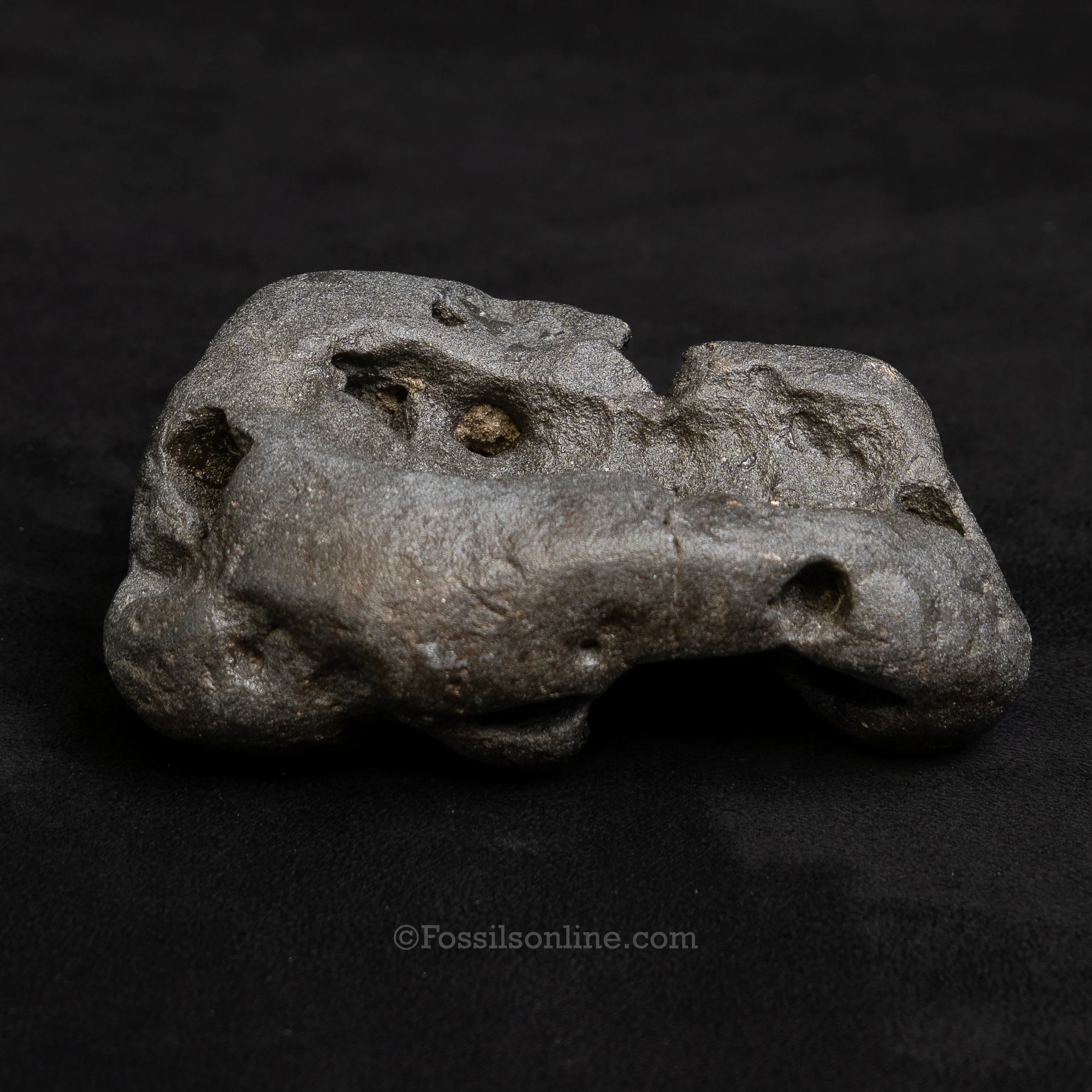
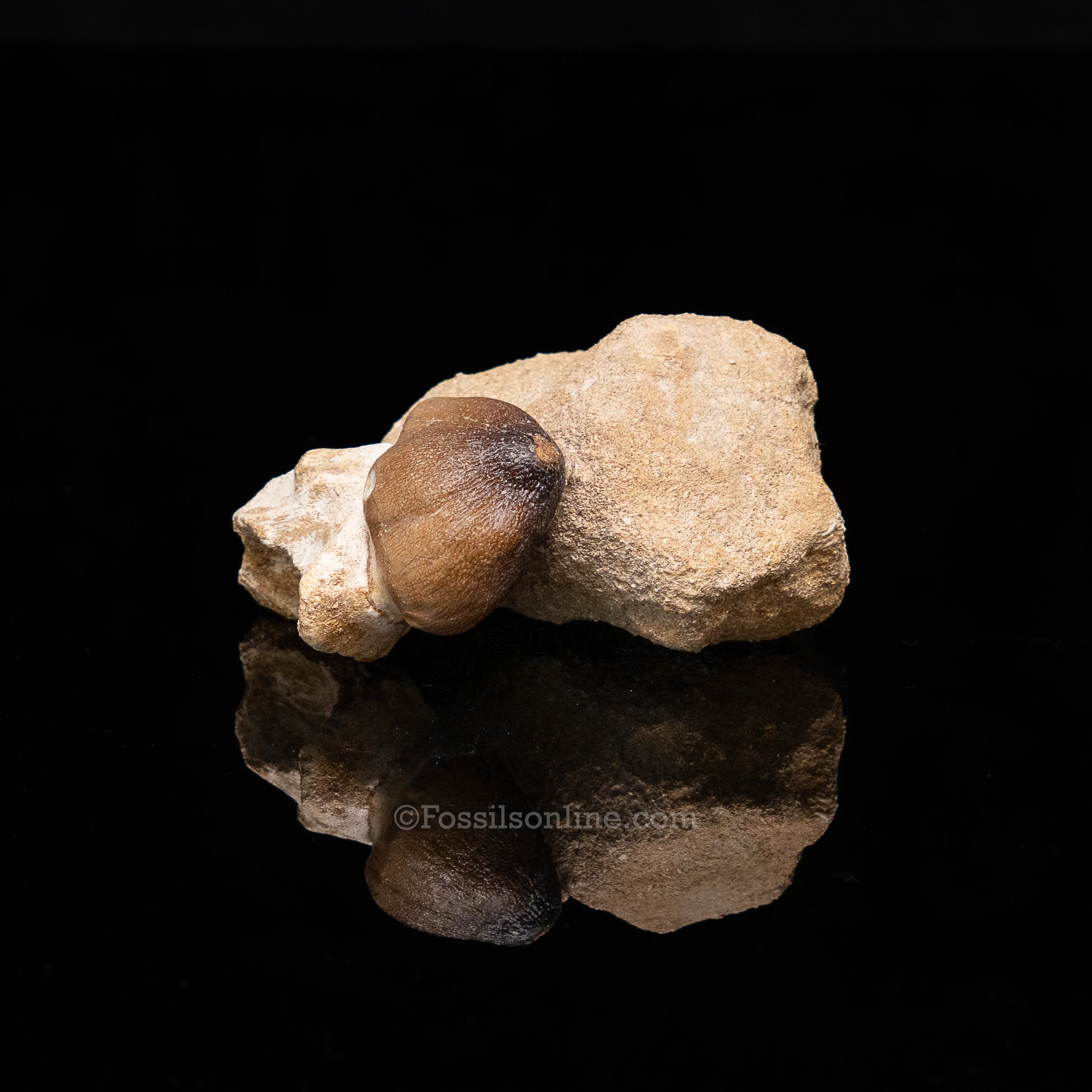
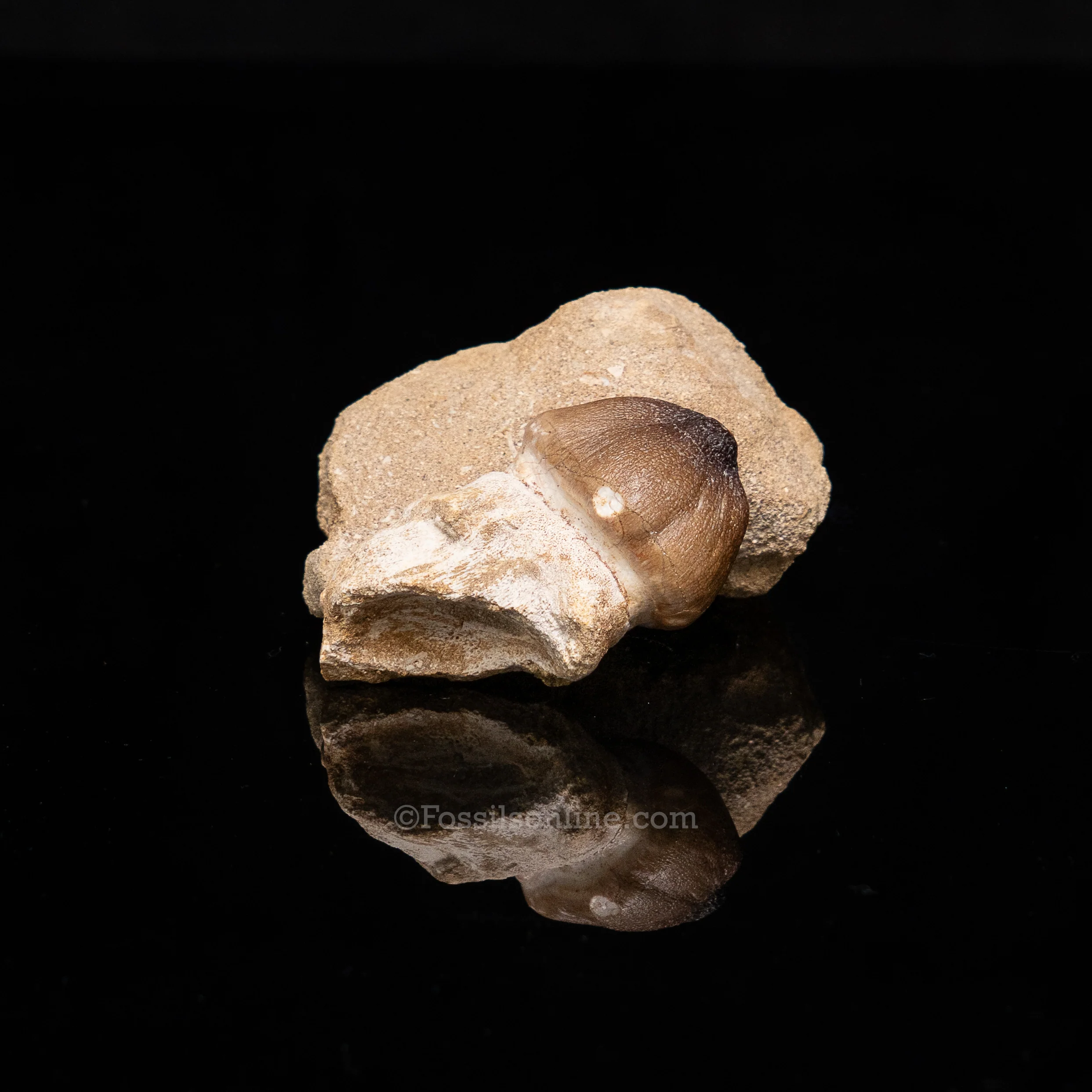
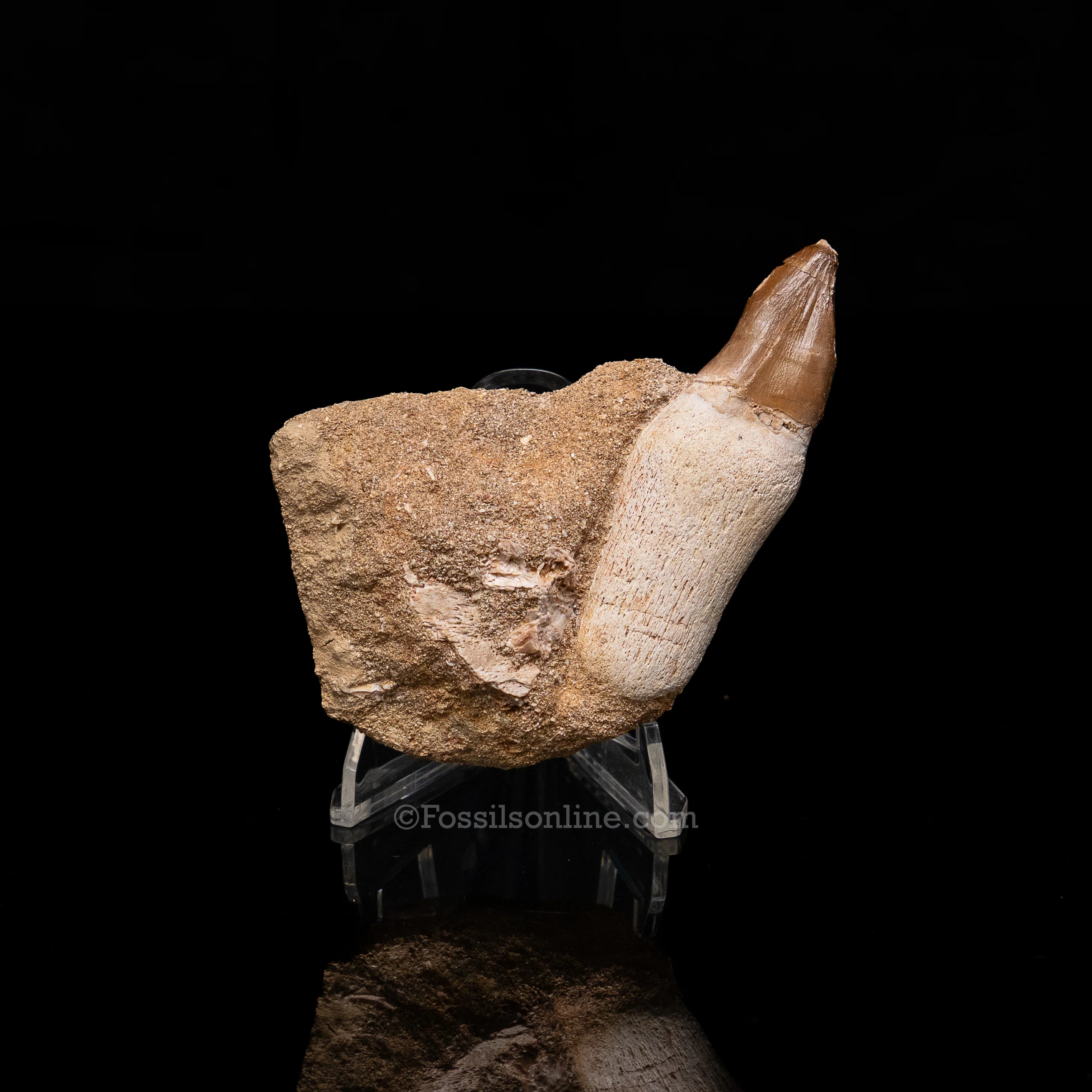
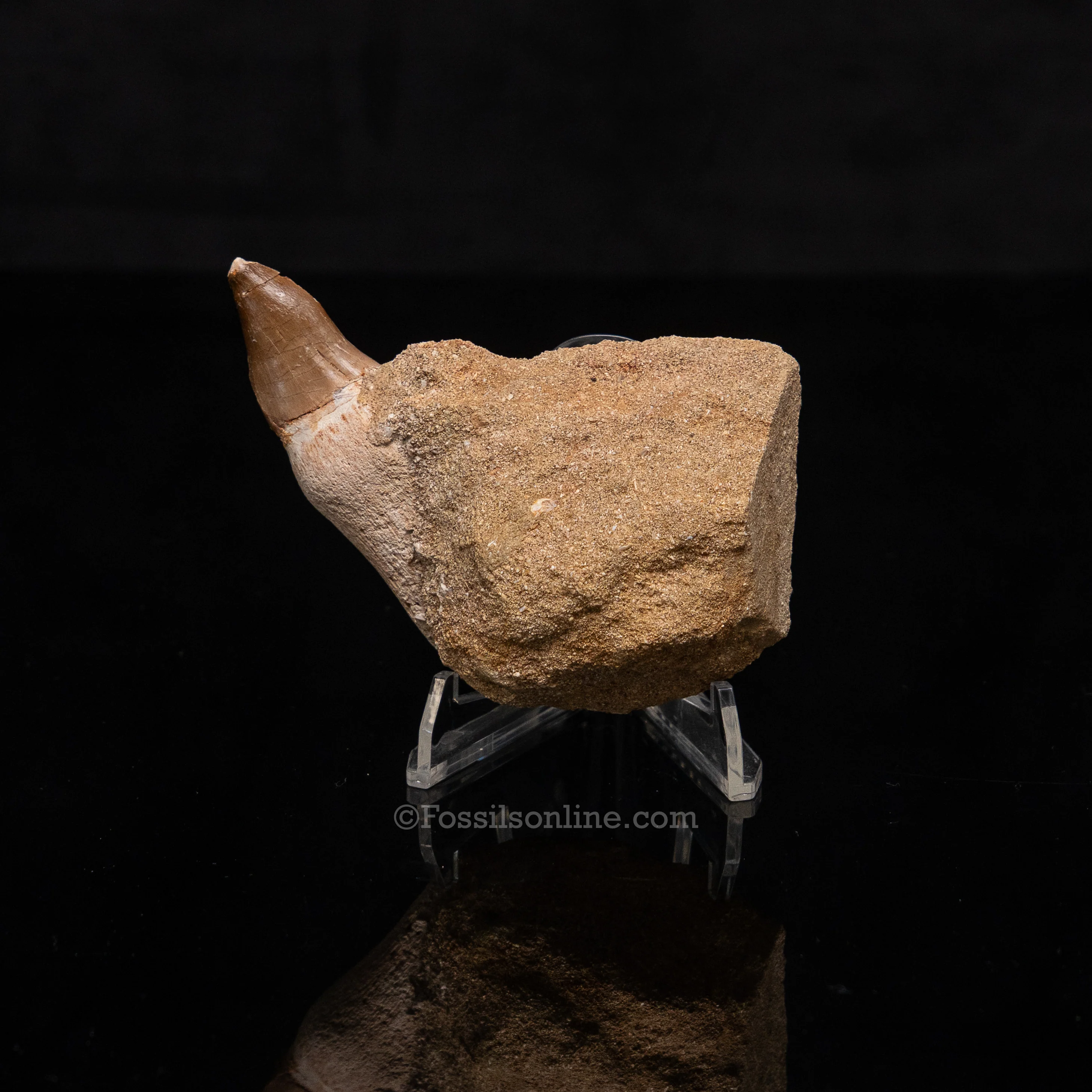
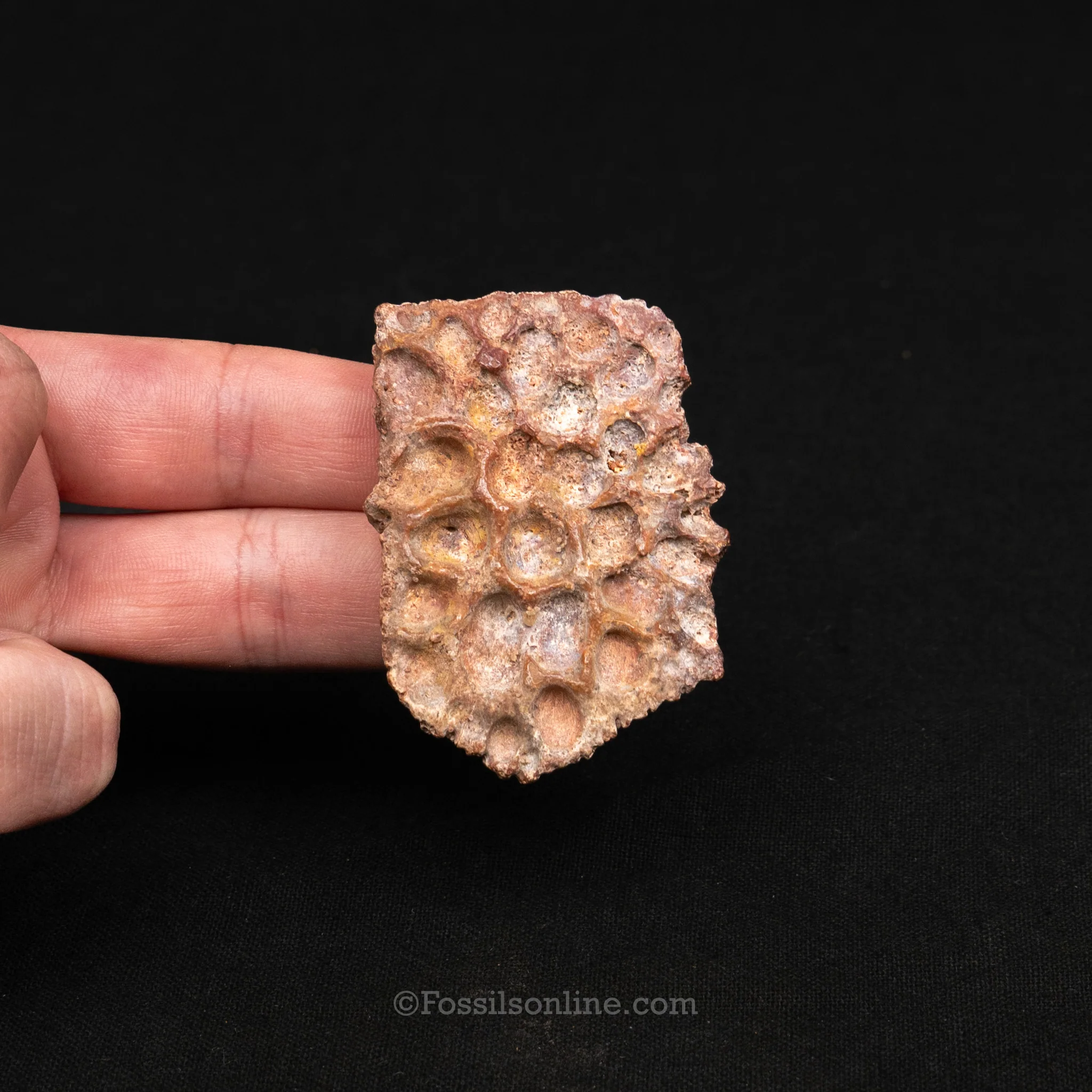
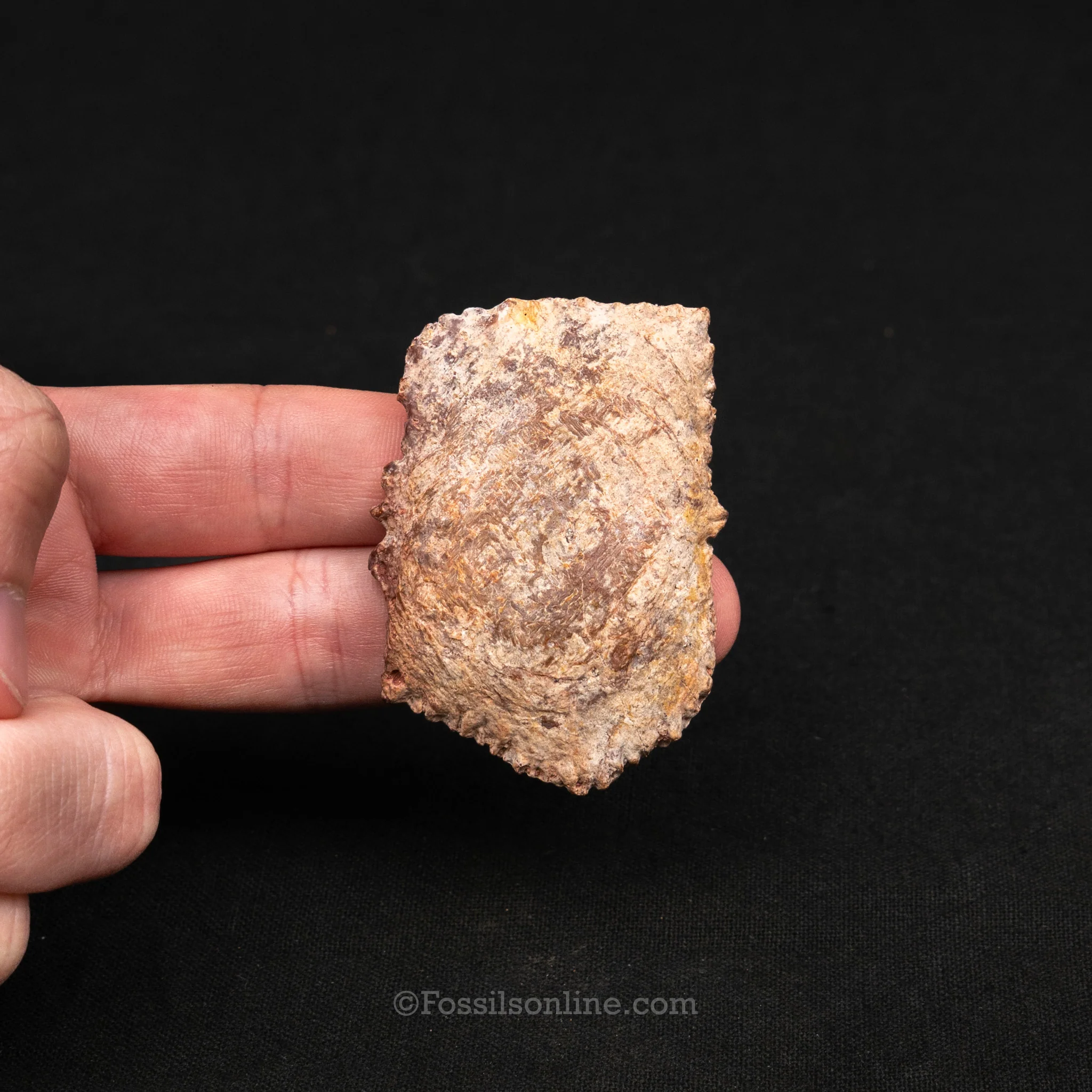
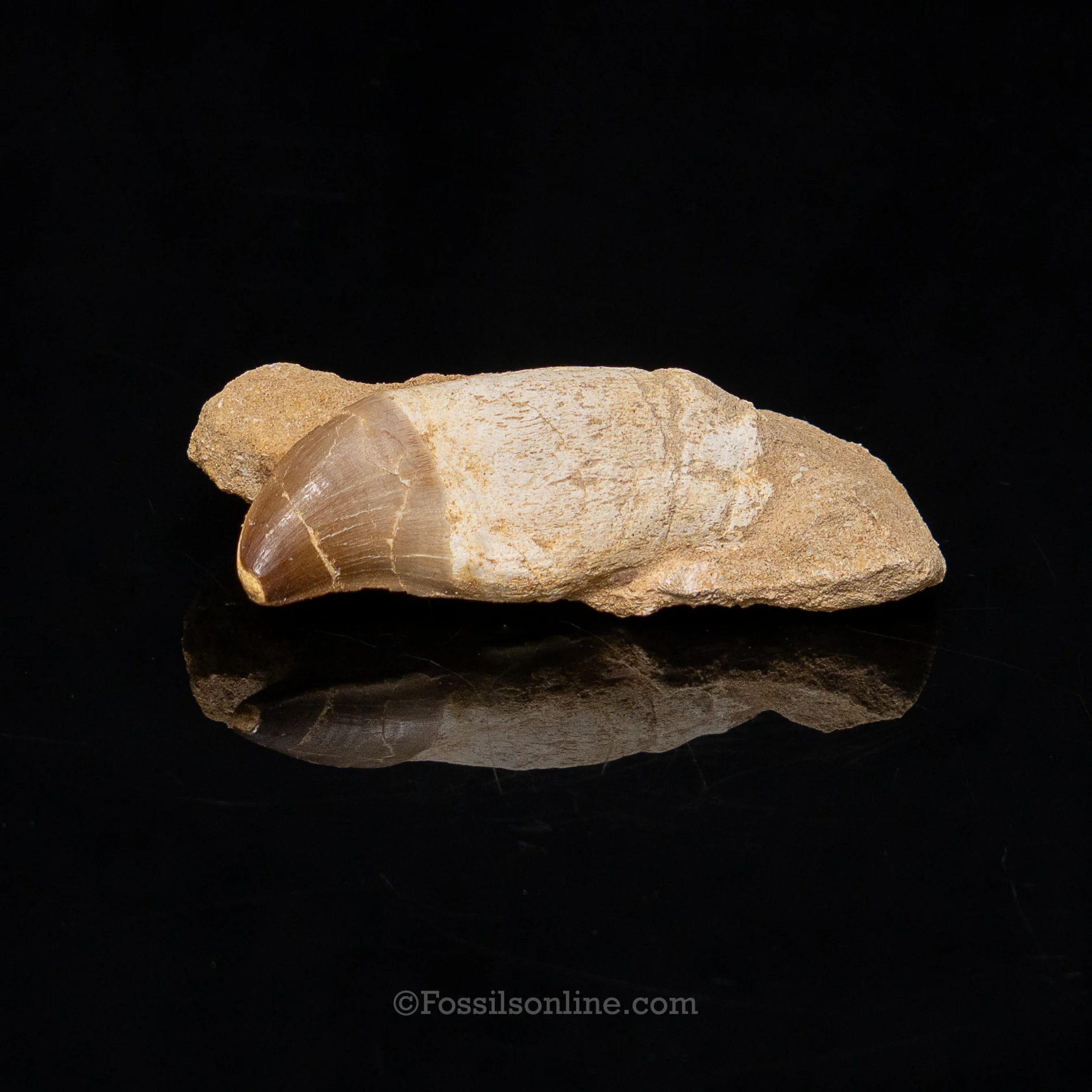
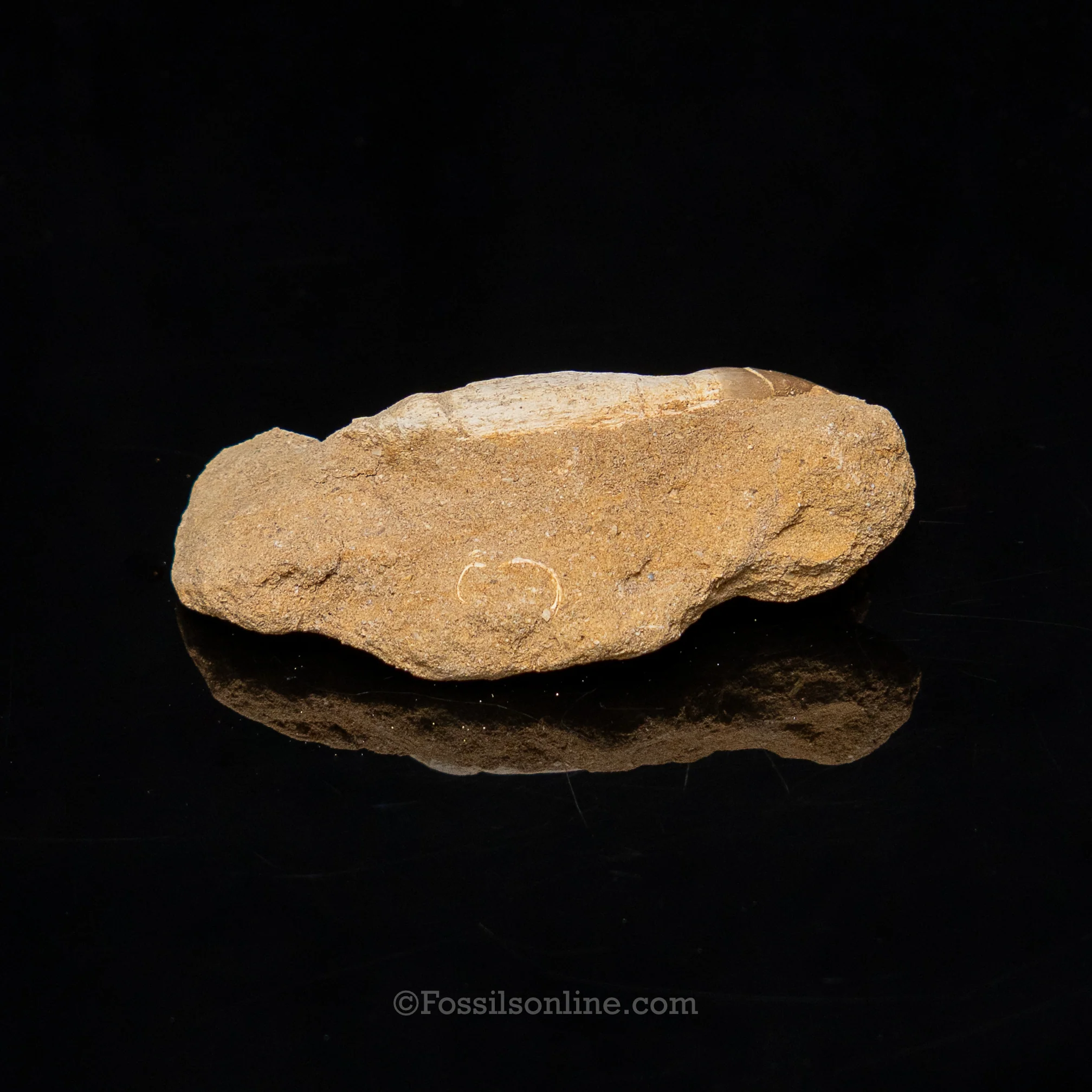
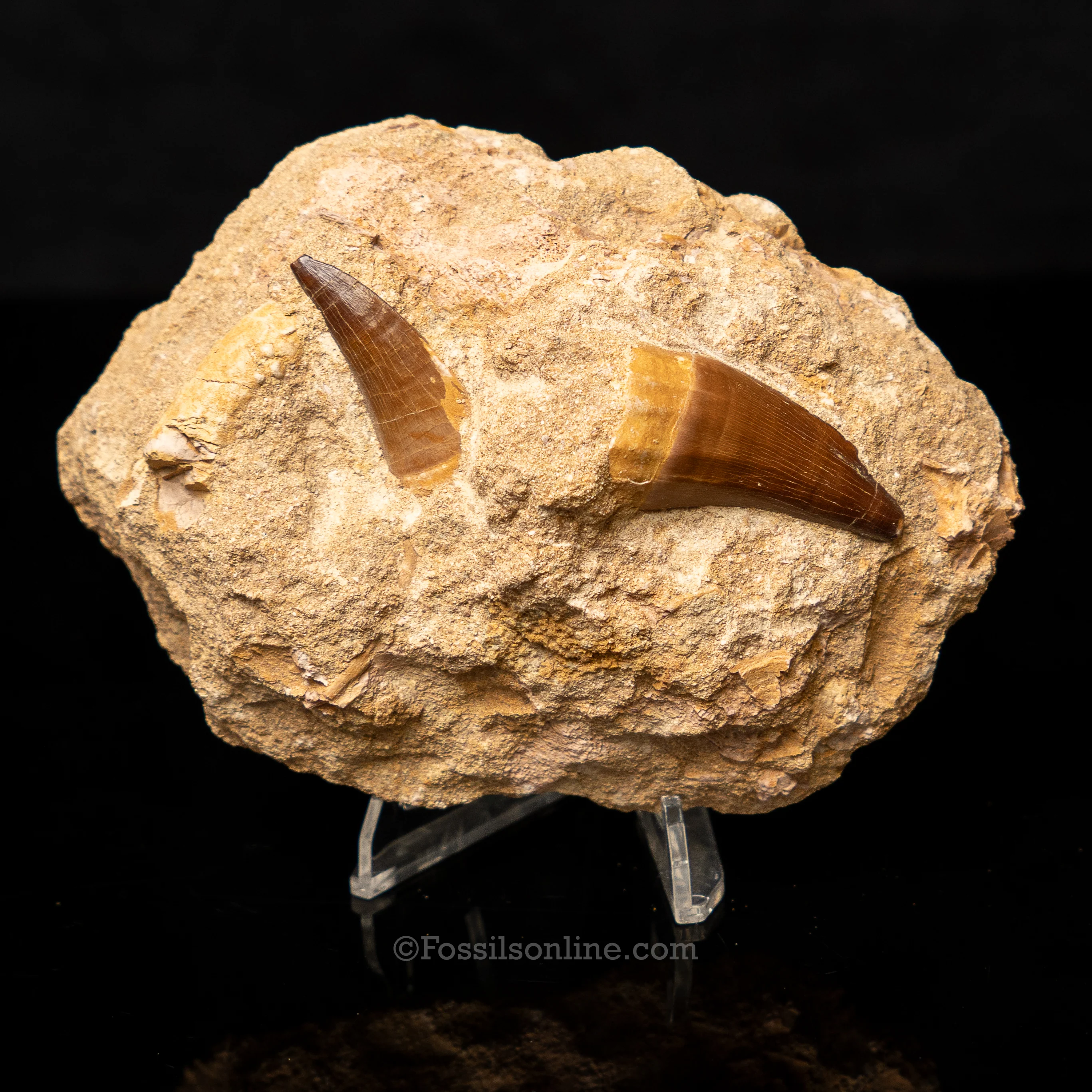
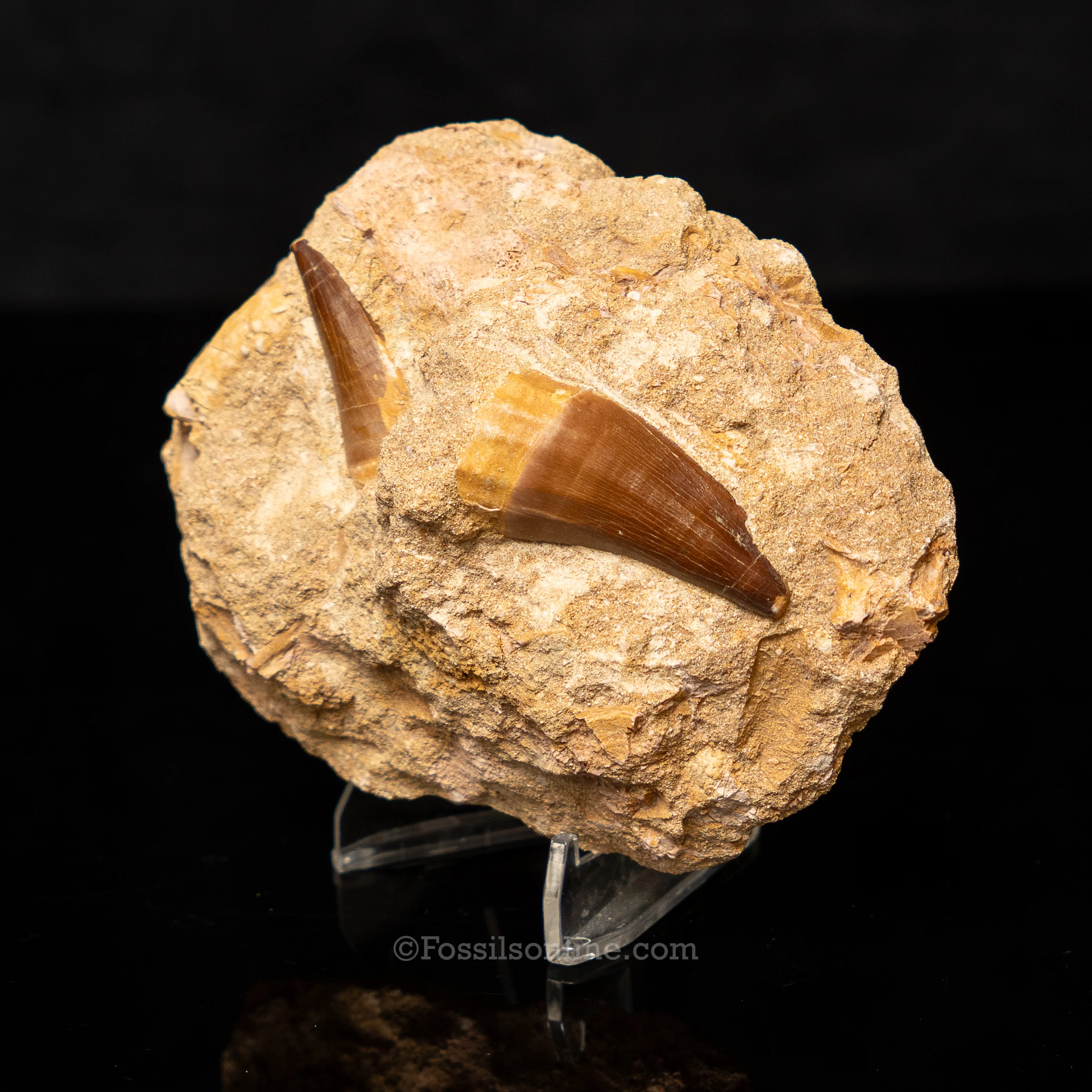
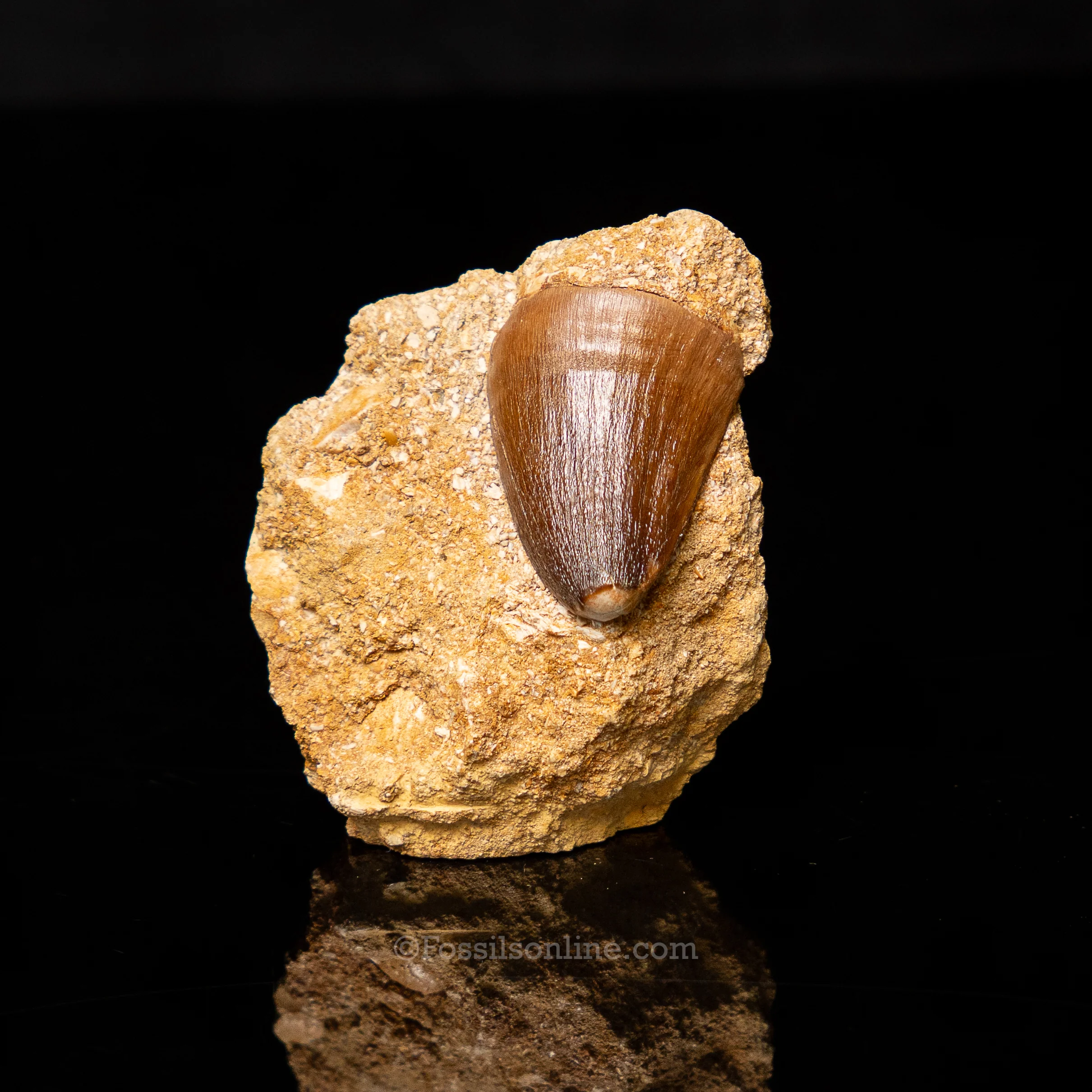
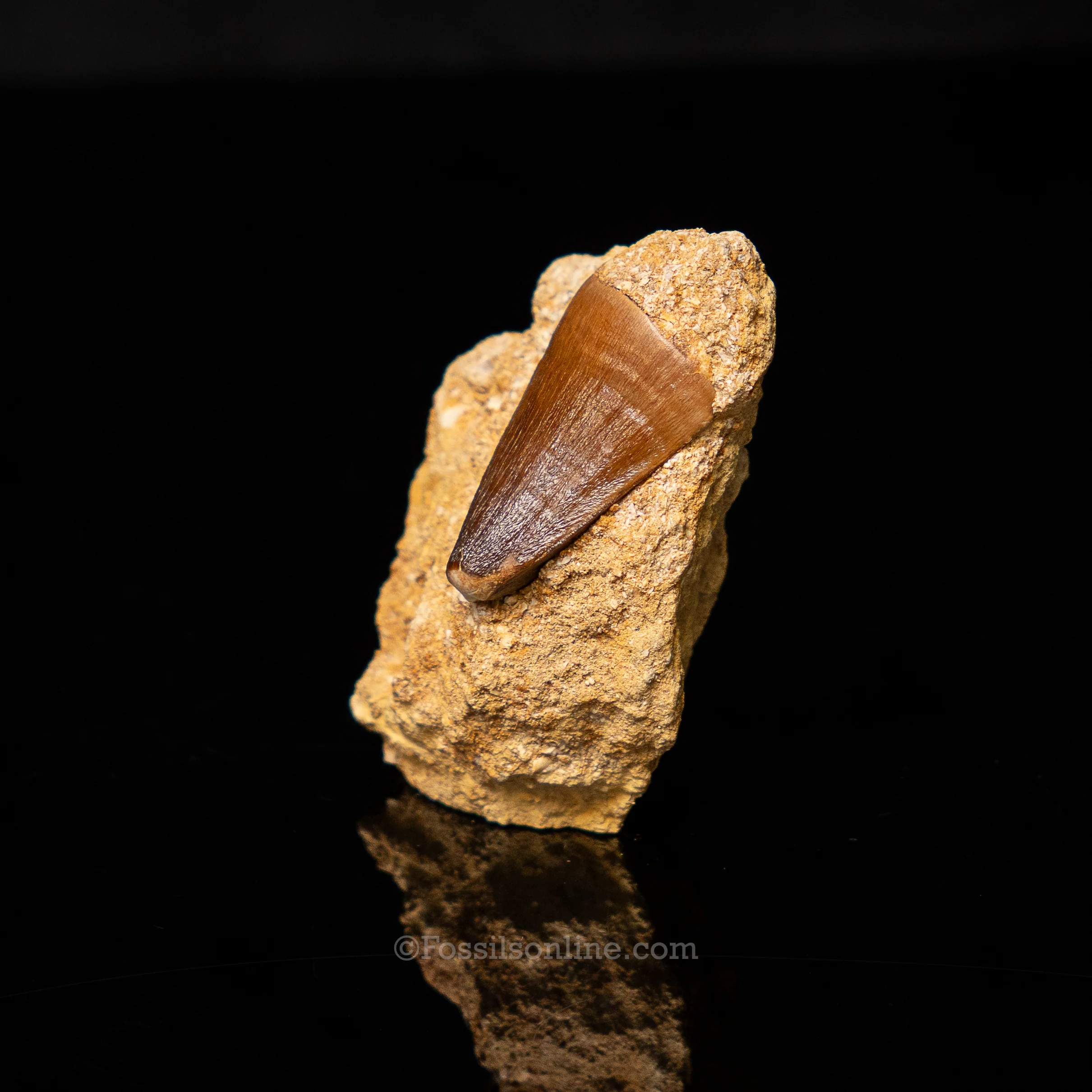
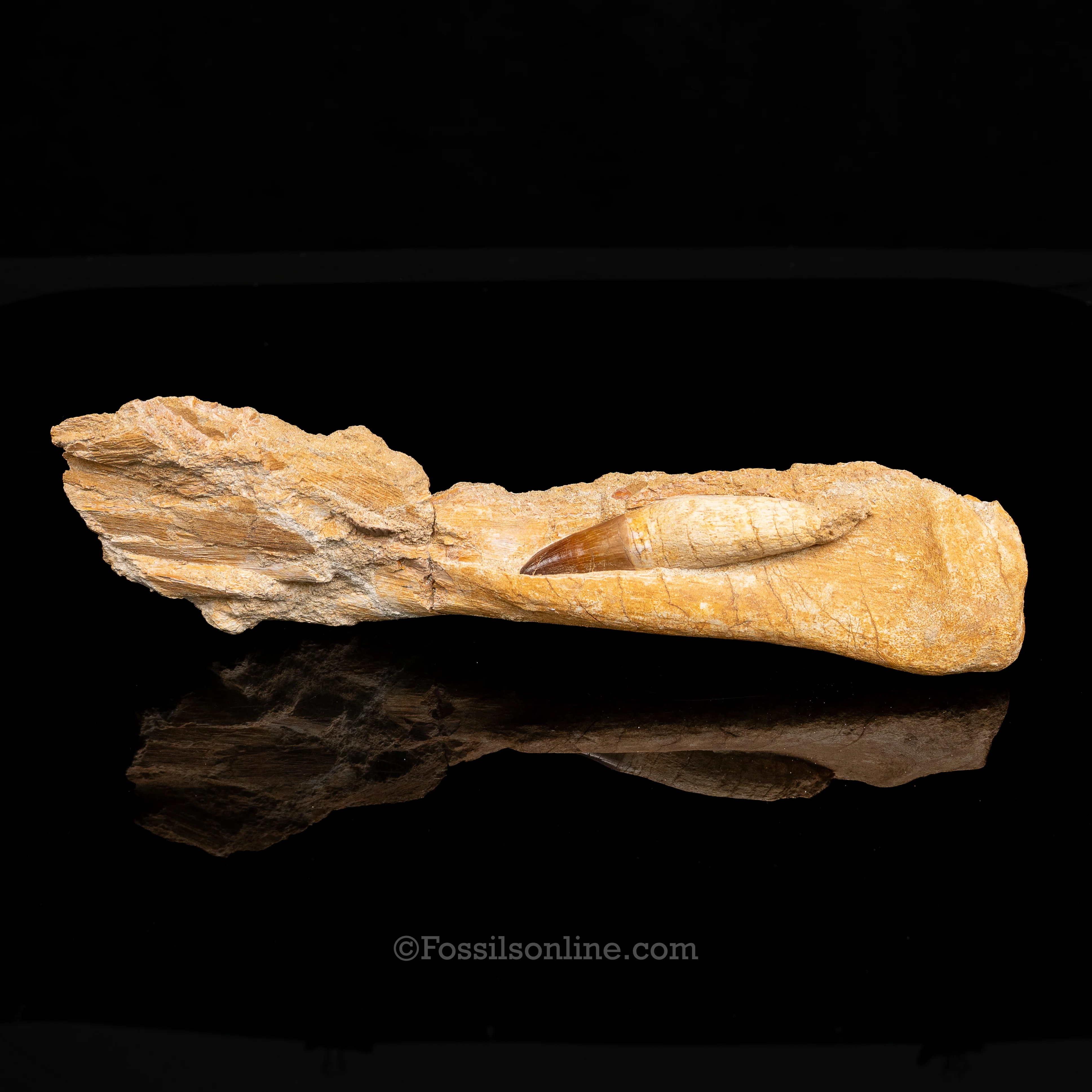
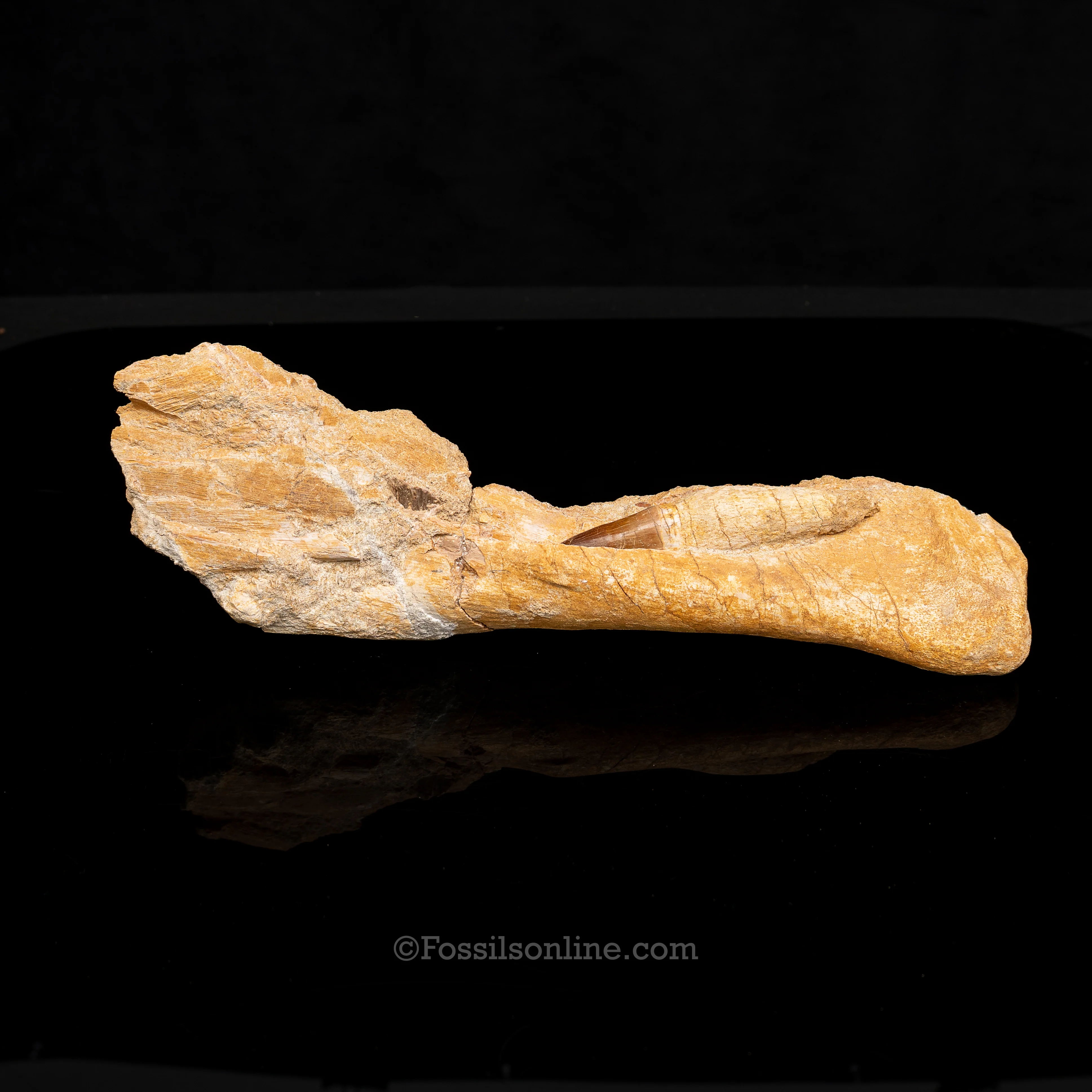
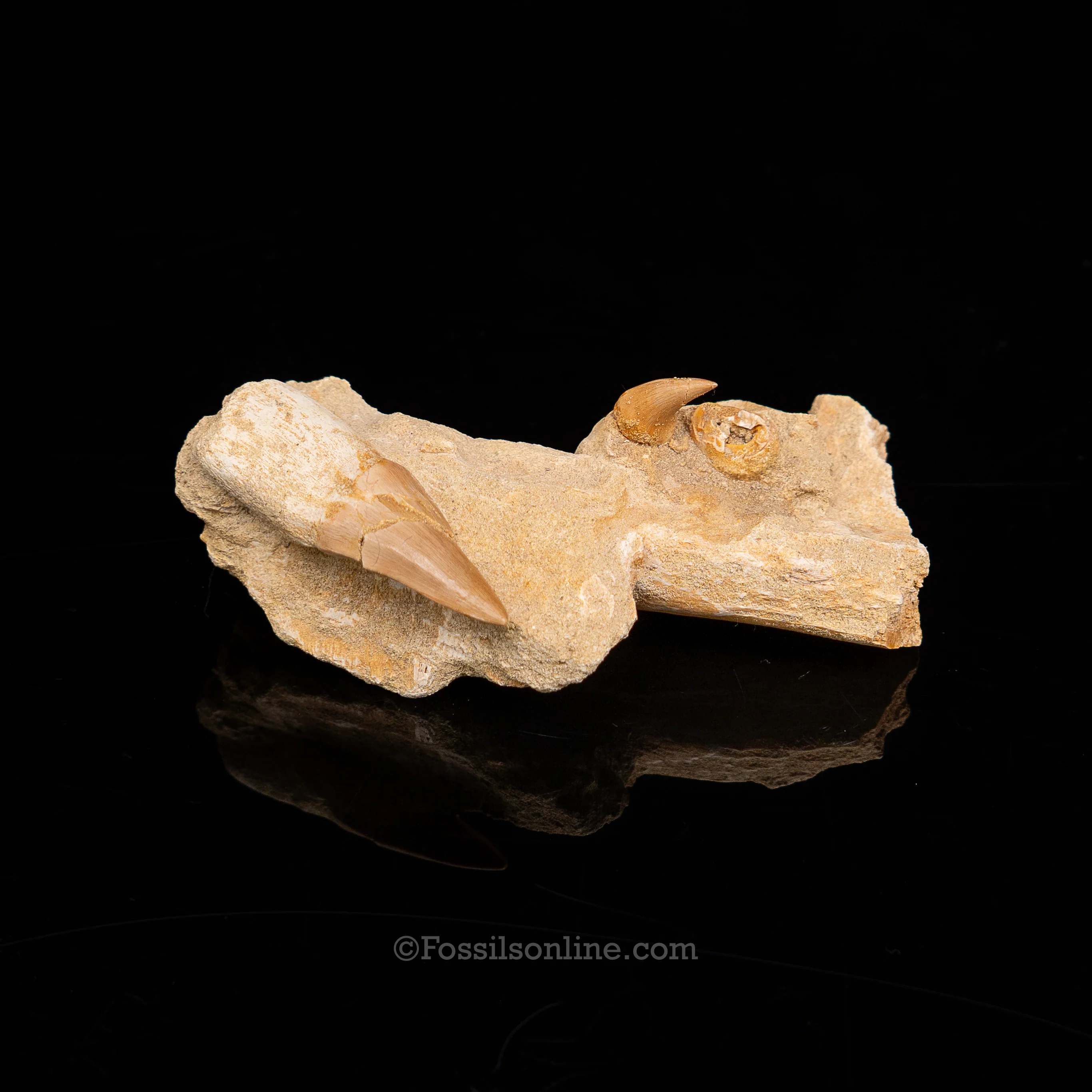
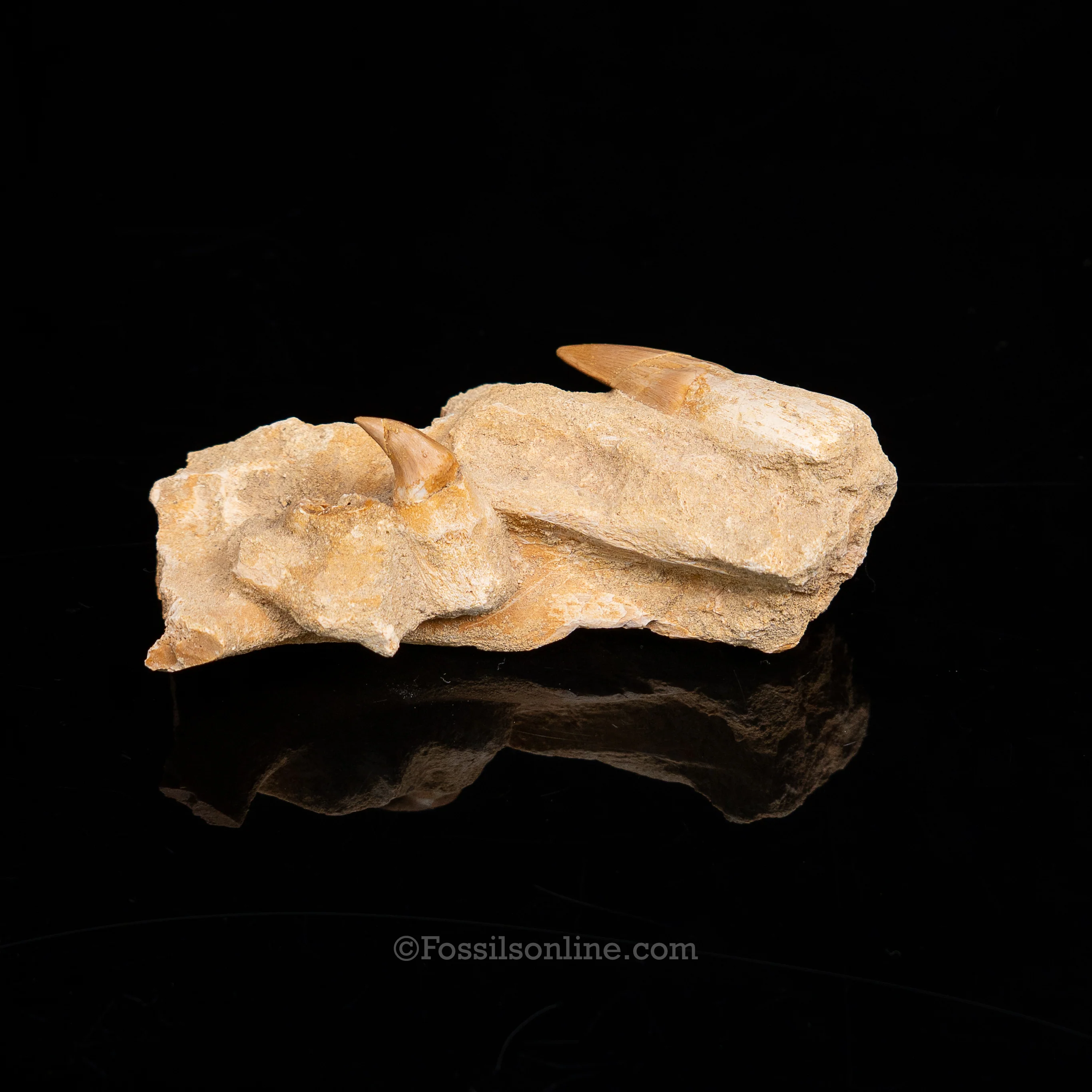
A plesiosaur tooth with shark vertebra embedded in its original matrix.
Millions of years before the first humans walked the earth, a sleek and deadly predator ruled the world's warm, shallow seas — and this tooth is direct proof it was there.
Lords of the Ancient Sea
Plesiosaurs (order Plesiosauria) were not dinosaurs — they were a distinct lineage of marine reptiles that thrived from the Early Jurassic through the end of the Cretaceous, roughly 200 to 66 million years ago. They ranged across every ocean on earth, from the shallow epicontinental seas of North America and Europe to the open waters of what is now Africa and Antarctica. Long-necked forms like Elasmosaurus patrolled near-surface waters, while short-necked pliosaurs like Kronosaurus were apex predators of the deep. With their four powerful flippers, plesiosaurs were highly specialized swimmers and remain some of the most recognizable marine reptiles of the prehistoric world.
Built to Kill — The Anatomy of the Tooth
Plesiosaur teeth are conical, elongated, and finely ridged — the perfect design for snagging slippery, fast-moving prey. Unlike most reptiles, plesiosaurs were polyphyodonts, continuously replacing worn teeth throughout their lives. The tooth displayed here retains its characteristic pointed crown and root structure, preserved in its original host rock (matrix). This natural presentation not only protects the specimen but tells its own geological story.
What Was on the Menu?
Isotopic and gut-content evidence points to a diet dominated by fish, cephalopods (squid and ammonites), and small marine reptiles. Long-necked plesiosaurs likely ambushed schools of fish from below, sweeping their necks laterally to herd and strike. Larger pliosaurian cousins were capable of taking much larger prey — sea turtles, ichthyosaurs, and even juvenile plesiosaurs.
Who Shared Their World?
Plesiosaurs shared Cretaceous seas with an extraordinary cast of contemporaries — ichthyosaurs, mosasaurs (rising to dominance in the later Cretaceous), ancient sharks like Cretoxyrhina, giant sea turtles such as Archelon, and countless invertebrates filling every niche of the water column. Above the surface, pterosaurs ruled the skies while hadrosaurs, ceratopsians, and other dinosaurs roamed the coastlines just beyond the water's edge. Below, plesiosaurs navigated this teeming world on four powerful flippers — masterfully engineered for open-ocean life — making them among the most iconic and instantly recognizable marine reptiles to have ever existed. This tooth belonged to one of those animals. That world was real, and this is what remains of it.
Product Information
Product Information
Shipping & Returns
Shipping & Returns
Plesiosaur Tooth in matrix
Plesiosaur Tooth in matrix
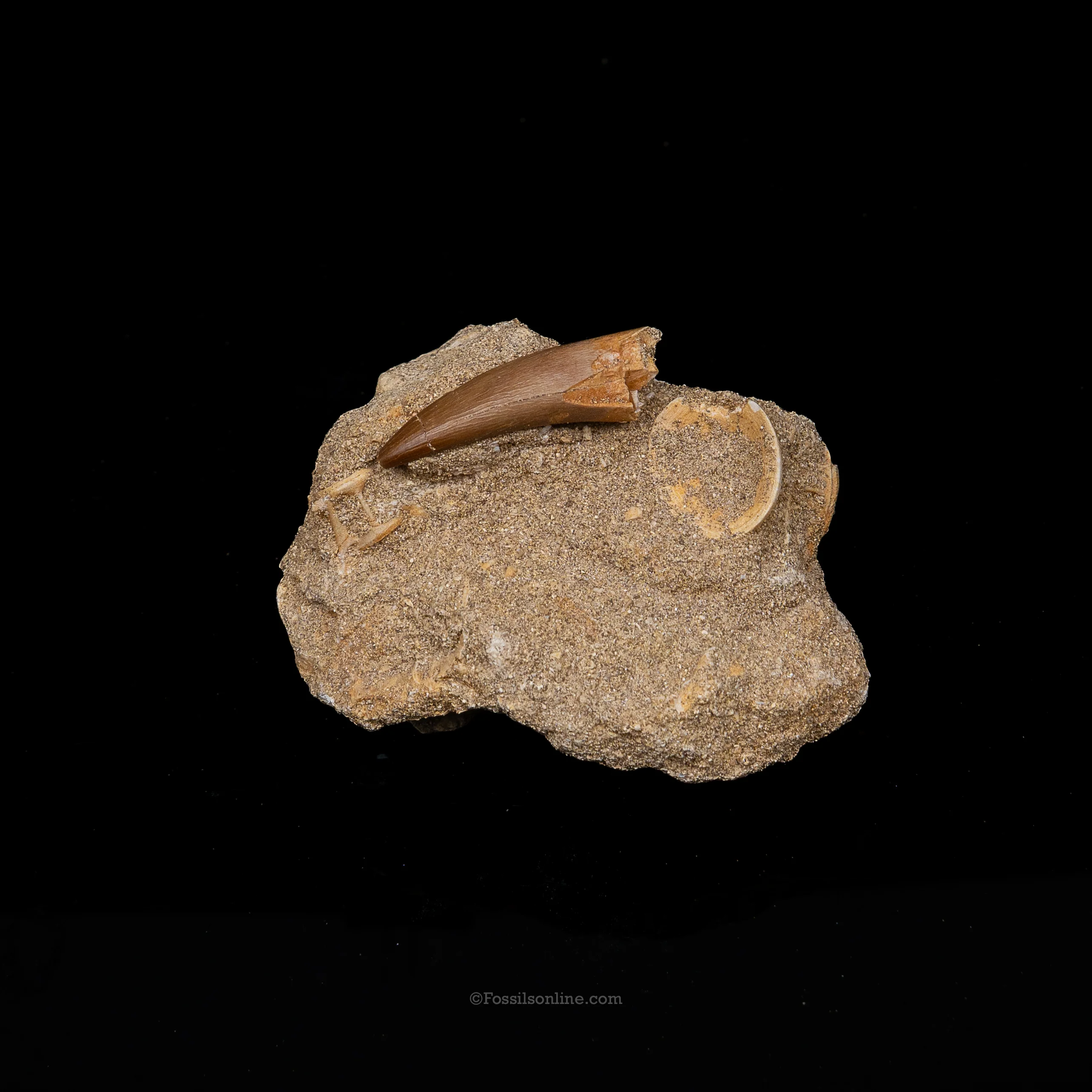
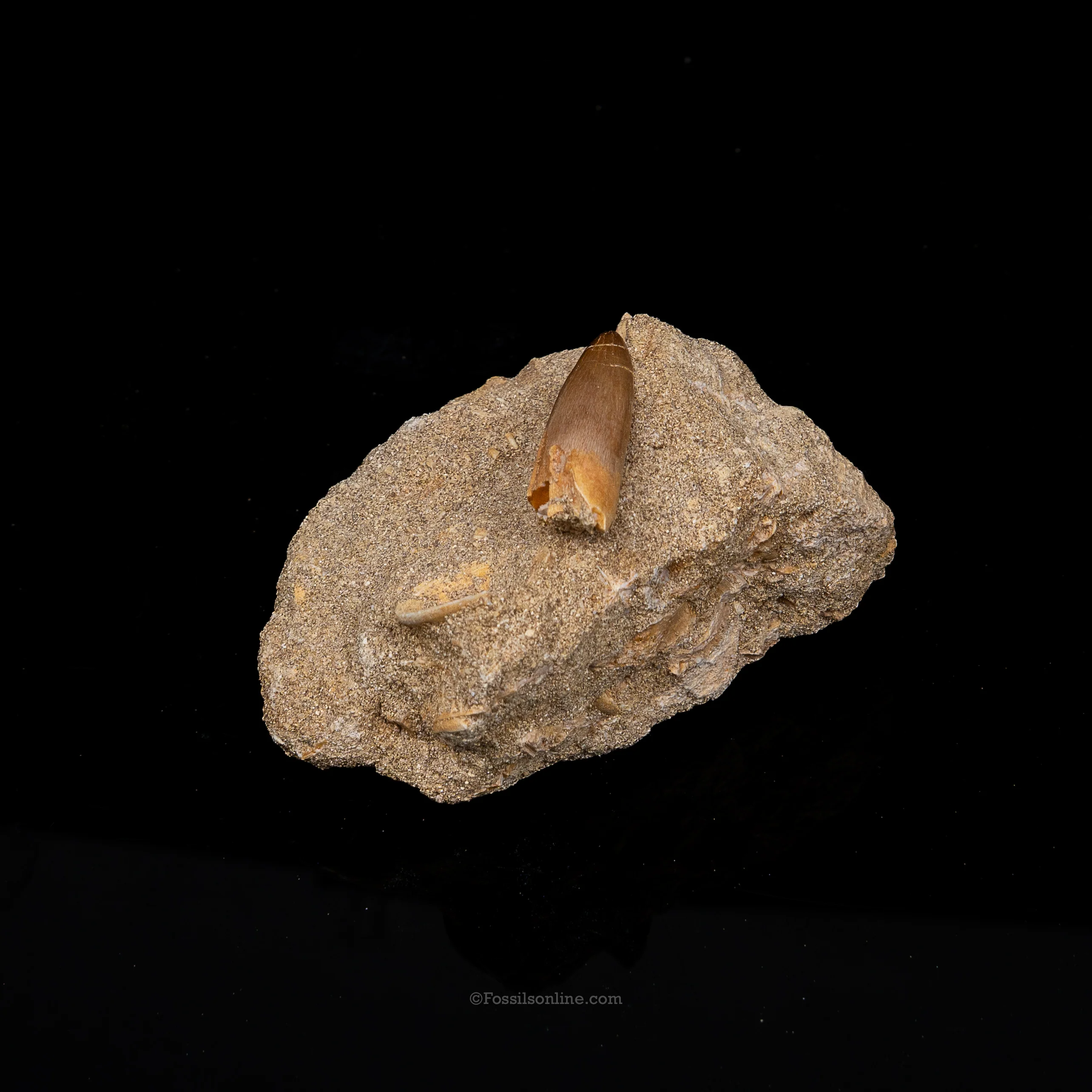
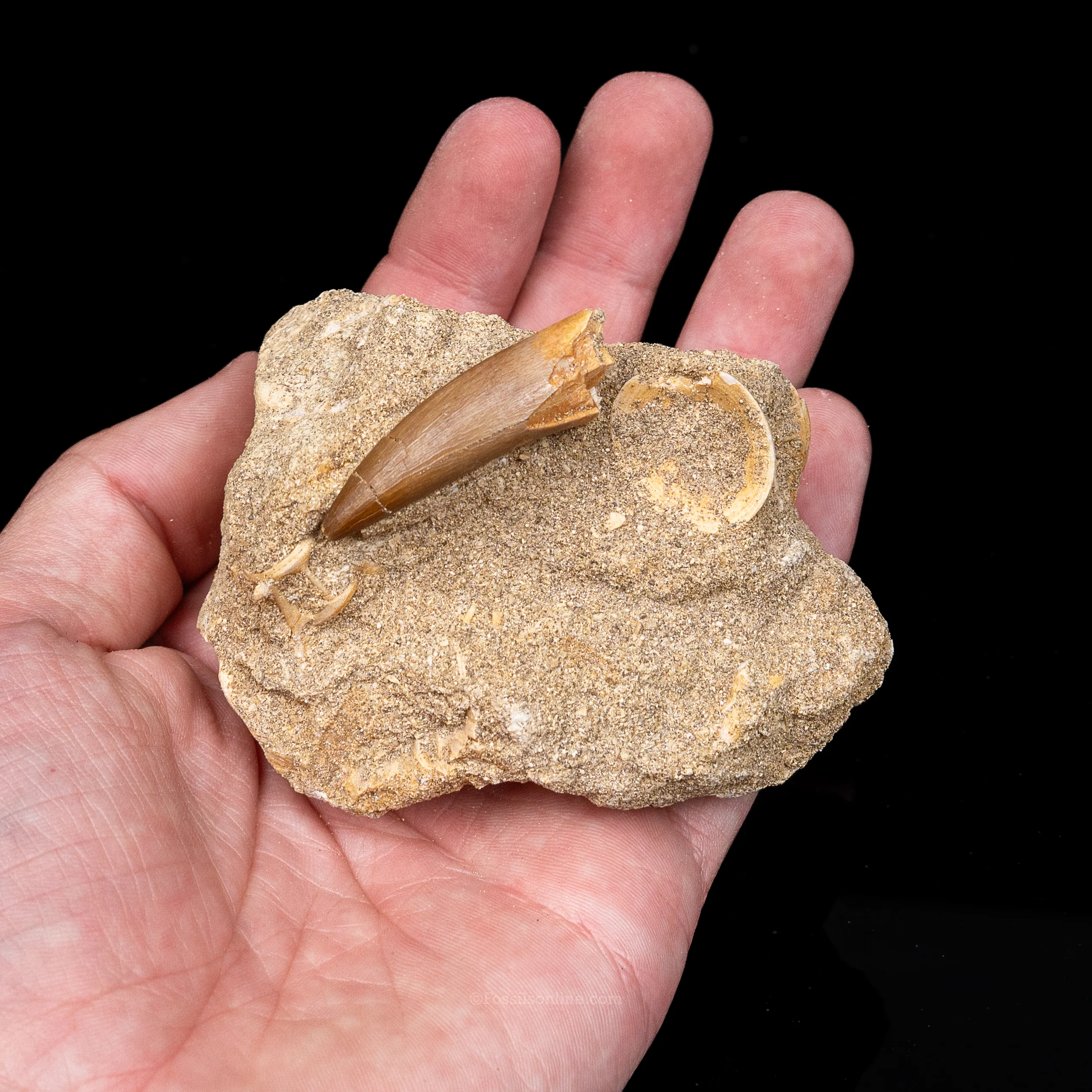
A plesiosaur tooth with shark vertebra embedded in its original matrix.
Millions of years before the first humans walked the earth, a sleek and deadly predator ruled the world's warm, shallow seas — and this tooth is direct proof it was there.
Lords of the Ancient Sea
Plesiosaurs (order Plesiosauria) were not dinosaurs — they were a distinct lineage of marine reptiles that thrived from the Early Jurassic through the end of the Cretaceous, roughly 200 to 66 million years ago. They ranged across every ocean on earth, from the shallow epicontinental seas of North America and Europe to the open waters of what is now Africa and Antarctica. Long-necked forms like Elasmosaurus patrolled near-surface waters, while short-necked pliosaurs like Kronosaurus were apex predators of the deep. With their four powerful flippers, plesiosaurs were highly specialized swimmers and remain some of the most recognizable marine reptiles of the prehistoric world.
Built to Kill — The Anatomy of the Tooth
Plesiosaur teeth are conical, elongated, and finely ridged — the perfect design for snagging slippery, fast-moving prey. Unlike most reptiles, plesiosaurs were polyphyodonts, continuously replacing worn teeth throughout their lives. The tooth displayed here retains its characteristic pointed crown and root structure, preserved in its original host rock (matrix). This natural presentation not only protects the specimen but tells its own geological story.
What Was on the Menu?
Isotopic and gut-content evidence points to a diet dominated by fish, cephalopods (squid and ammonites), and small marine reptiles. Long-necked plesiosaurs likely ambushed schools of fish from below, sweeping their necks laterally to herd and strike. Larger pliosaurian cousins were capable of taking much larger prey — sea turtles, ichthyosaurs, and even juvenile plesiosaurs.
Who Shared Their World?
Plesiosaurs shared Cretaceous seas with an extraordinary cast of contemporaries — ichthyosaurs, mosasaurs (rising to dominance in the later Cretaceous), ancient sharks like Cretoxyrhina, giant sea turtles such as Archelon, and countless invertebrates filling every niche of the water column. Above the surface, pterosaurs ruled the skies while hadrosaurs, ceratopsians, and other dinosaurs roamed the coastlines just beyond the water's edge. Below, plesiosaurs navigated this teeming world on four powerful flippers — masterfully engineered for open-ocean life — making them among the most iconic and instantly recognizable marine reptiles to have ever existed. This tooth belonged to one of those animals. That world was real, and this is what remains of it.
Original: $49.00
-65%$49.00
$17.15Product Information
Product Information
Shipping & Returns
Shipping & Returns
Description
A plesiosaur tooth with shark vertebra embedded in its original matrix.
Millions of years before the first humans walked the earth, a sleek and deadly predator ruled the world's warm, shallow seas — and this tooth is direct proof it was there.
Lords of the Ancient Sea
Plesiosaurs (order Plesiosauria) were not dinosaurs — they were a distinct lineage of marine reptiles that thrived from the Early Jurassic through the end of the Cretaceous, roughly 200 to 66 million years ago. They ranged across every ocean on earth, from the shallow epicontinental seas of North America and Europe to the open waters of what is now Africa and Antarctica. Long-necked forms like Elasmosaurus patrolled near-surface waters, while short-necked pliosaurs like Kronosaurus were apex predators of the deep. With their four powerful flippers, plesiosaurs were highly specialized swimmers and remain some of the most recognizable marine reptiles of the prehistoric world.
Built to Kill — The Anatomy of the Tooth
Plesiosaur teeth are conical, elongated, and finely ridged — the perfect design for snagging slippery, fast-moving prey. Unlike most reptiles, plesiosaurs were polyphyodonts, continuously replacing worn teeth throughout their lives. The tooth displayed here retains its characteristic pointed crown and root structure, preserved in its original host rock (matrix). This natural presentation not only protects the specimen but tells its own geological story.
What Was on the Menu?
Isotopic and gut-content evidence points to a diet dominated by fish, cephalopods (squid and ammonites), and small marine reptiles. Long-necked plesiosaurs likely ambushed schools of fish from below, sweeping their necks laterally to herd and strike. Larger pliosaurian cousins were capable of taking much larger prey — sea turtles, ichthyosaurs, and even juvenile plesiosaurs.
Who Shared Their World?
Plesiosaurs shared Cretaceous seas with an extraordinary cast of contemporaries — ichthyosaurs, mosasaurs (rising to dominance in the later Cretaceous), ancient sharks like Cretoxyrhina, giant sea turtles such as Archelon, and countless invertebrates filling every niche of the water column. Above the surface, pterosaurs ruled the skies while hadrosaurs, ceratopsians, and other dinosaurs roamed the coastlines just beyond the water's edge. Below, plesiosaurs navigated this teeming world on four powerful flippers — masterfully engineered for open-ocean life — making them among the most iconic and instantly recognizable marine reptiles to have ever existed. This tooth belonged to one of those animals. That world was real, and this is what remains of it.