Woolly Rhino Maxilla from Siberia
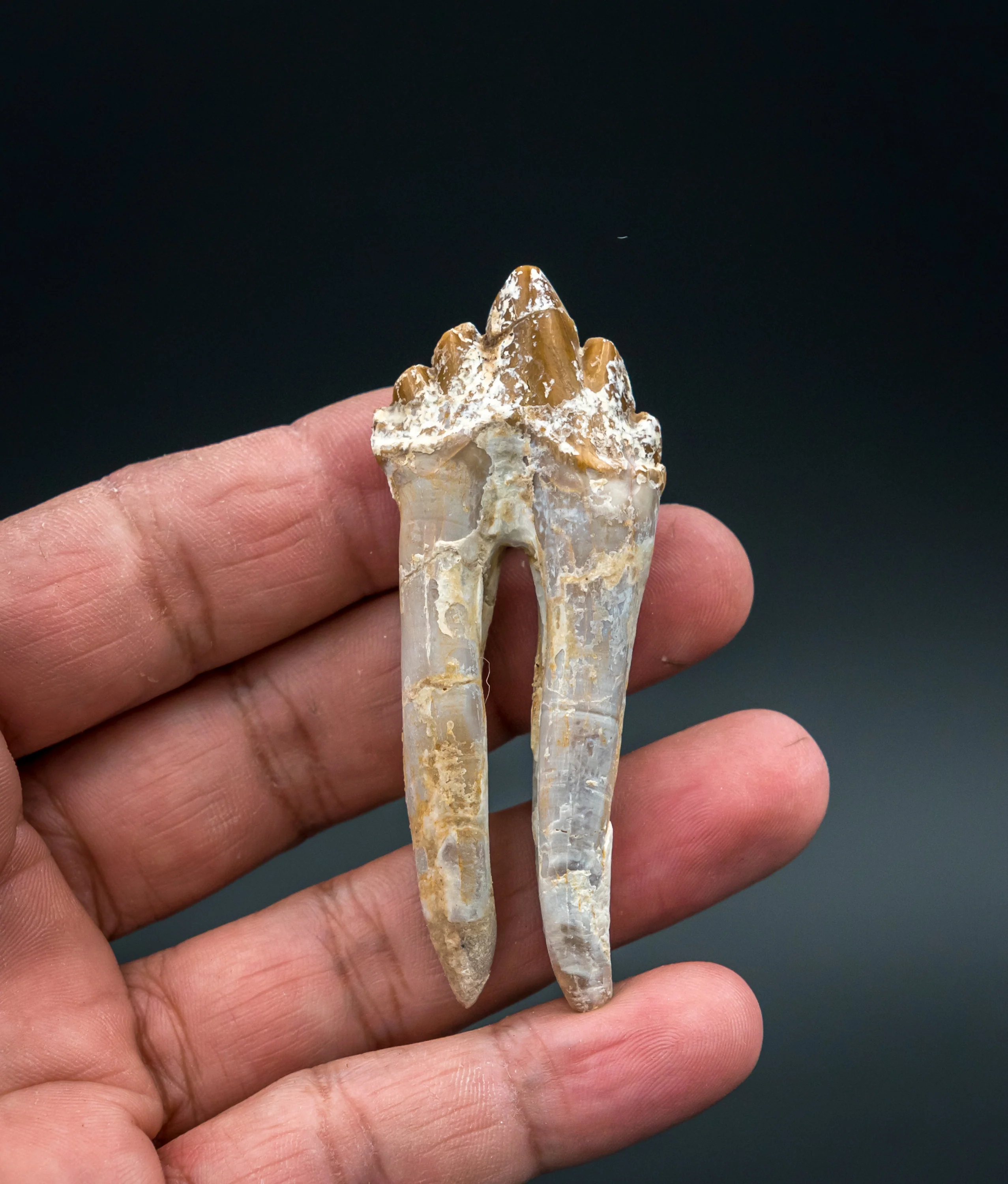
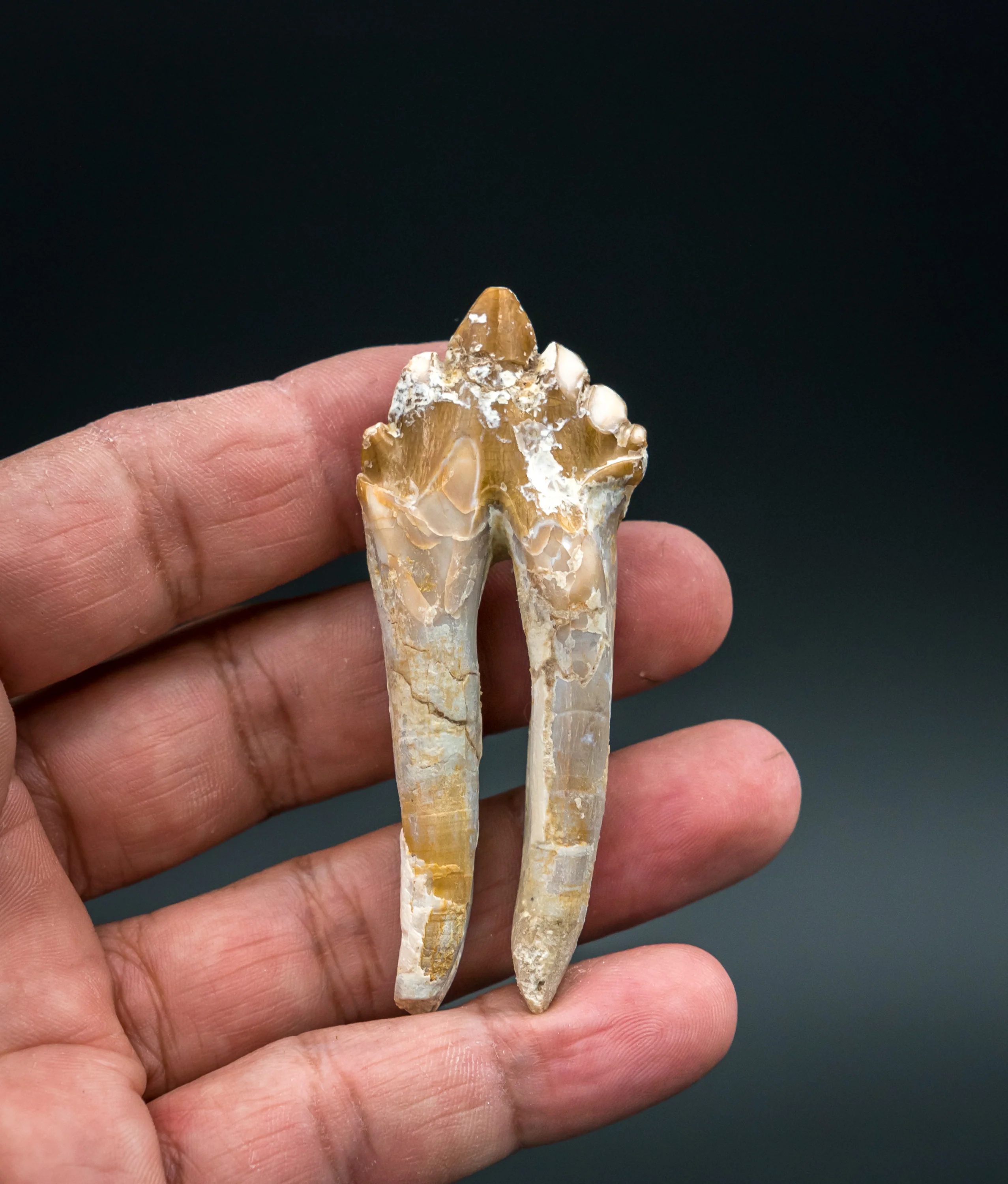
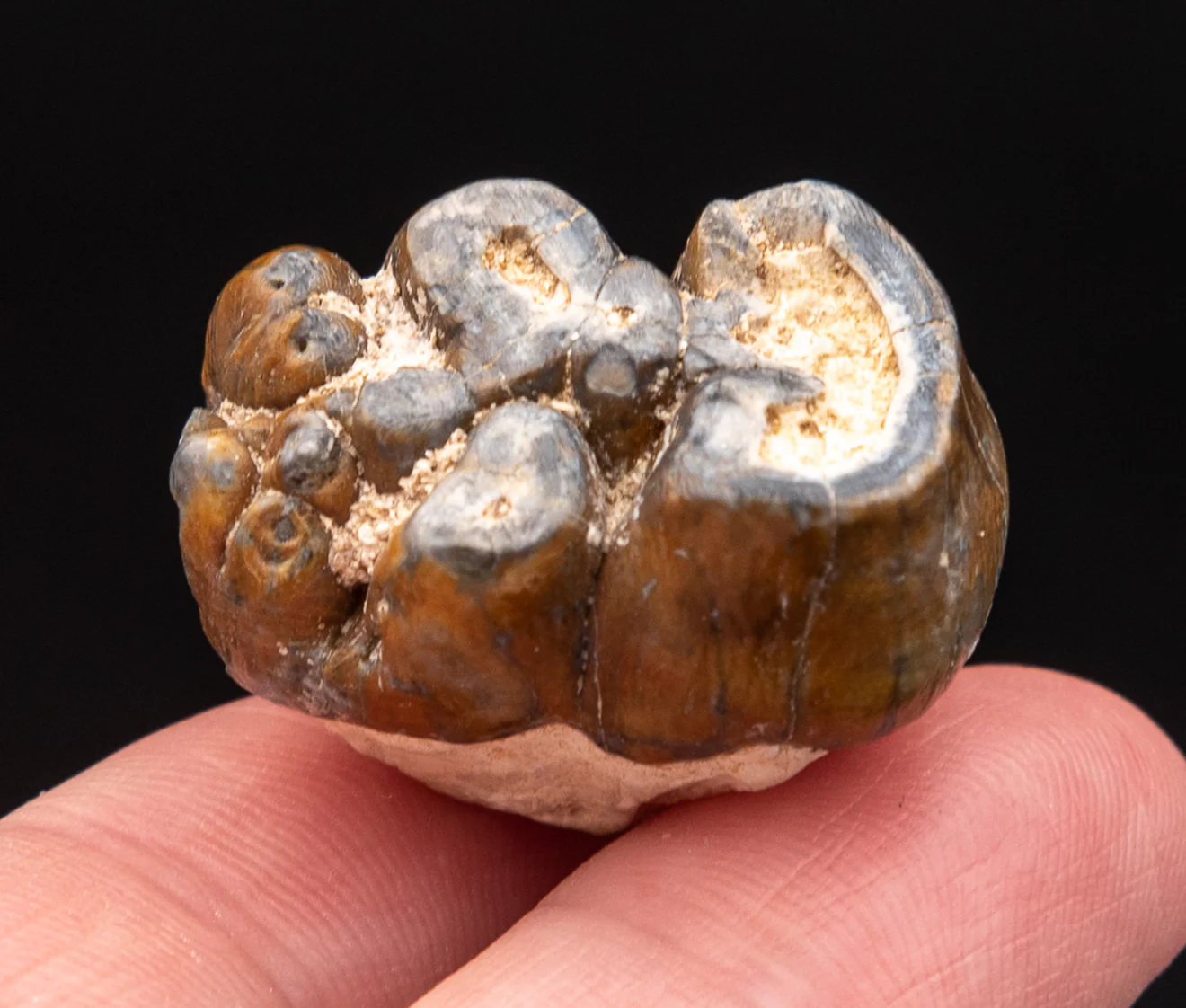
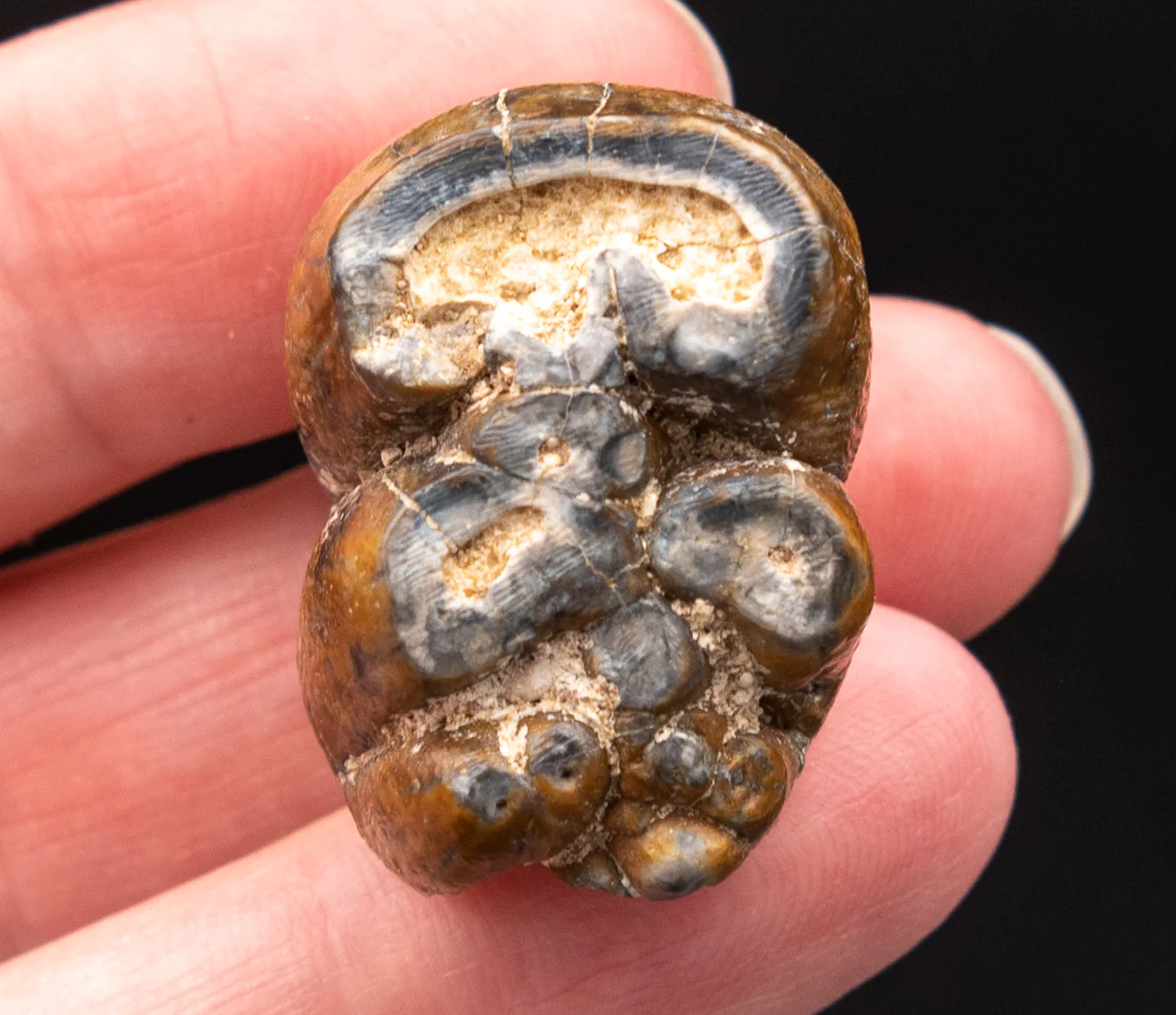
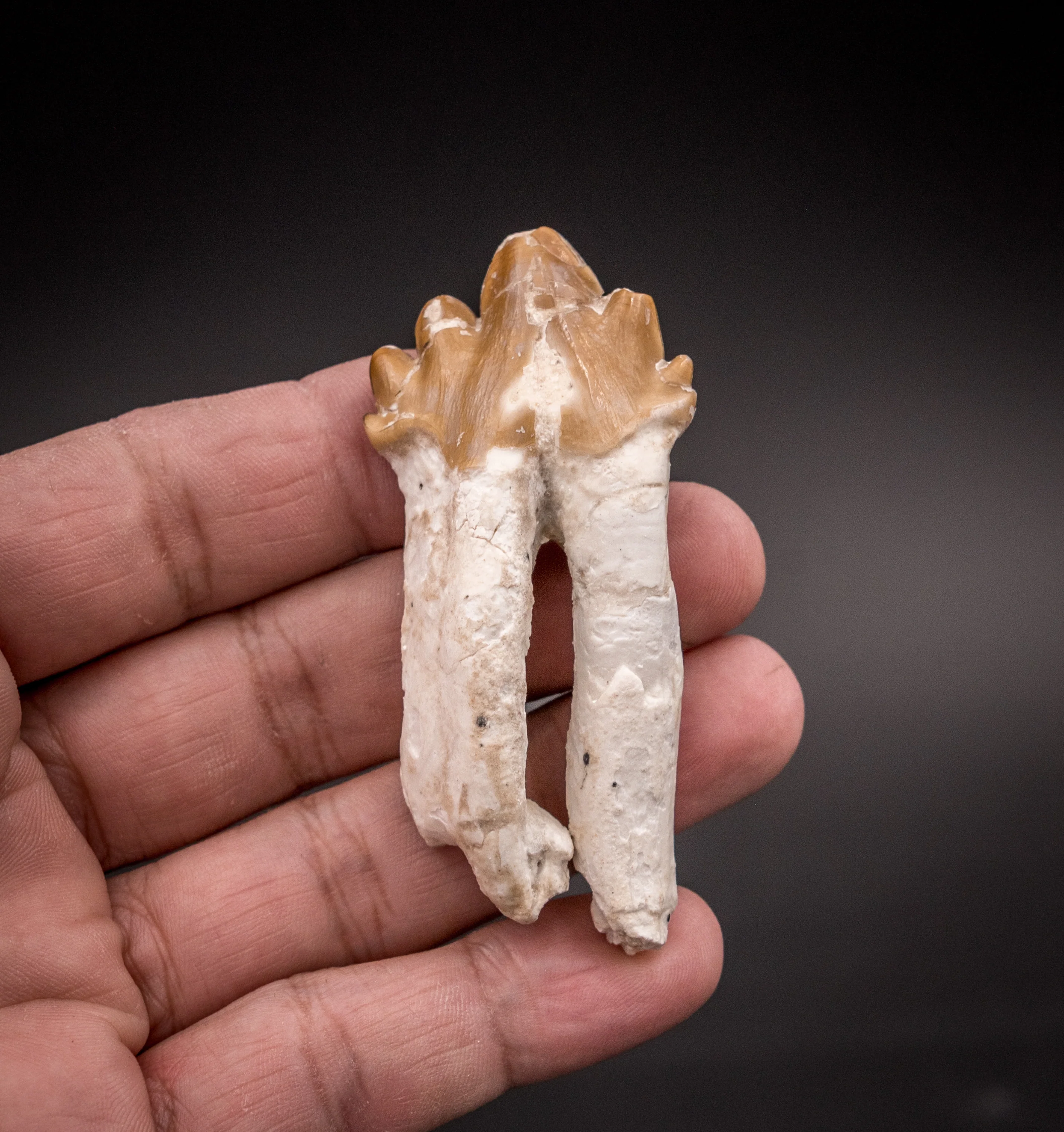
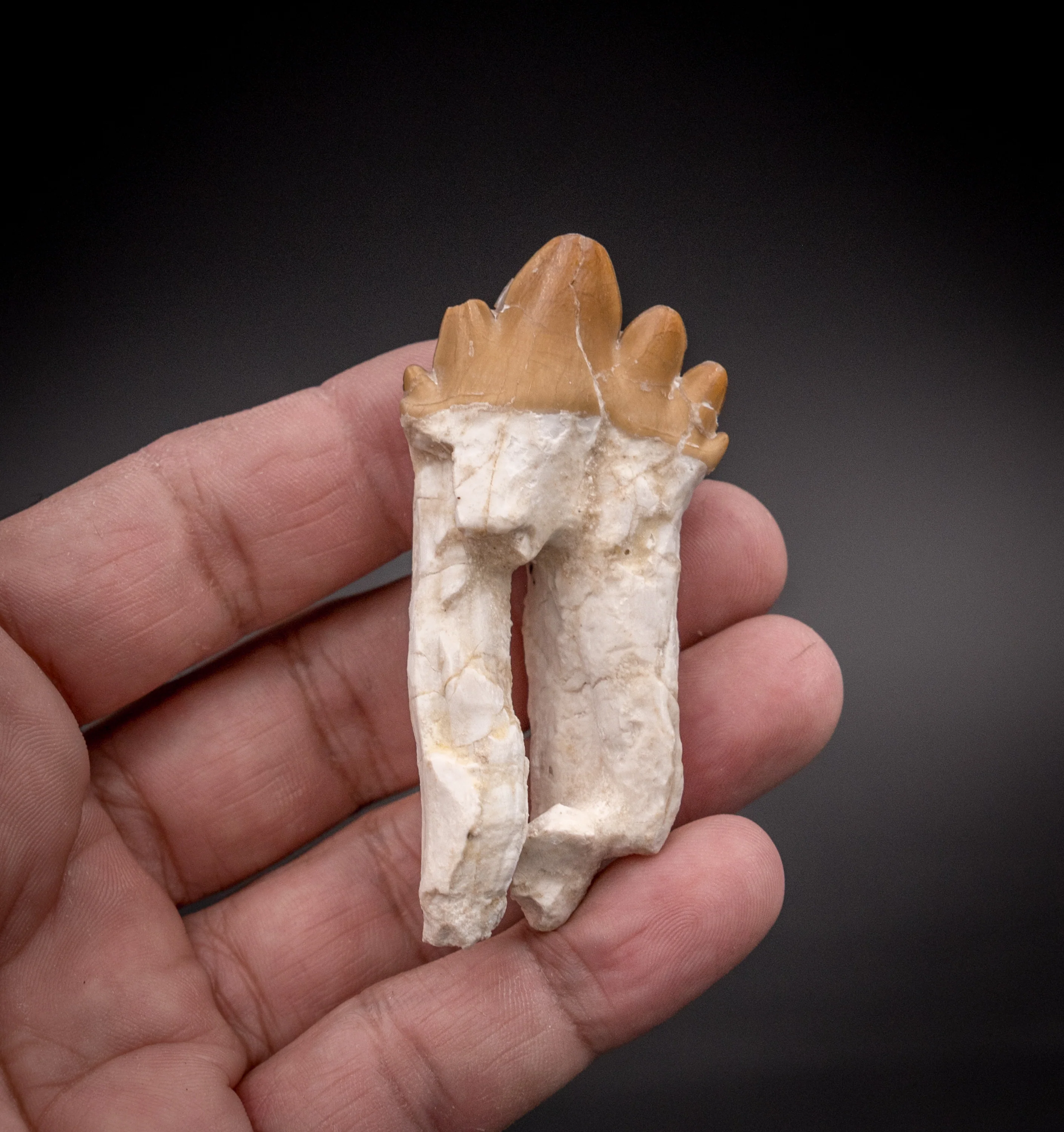
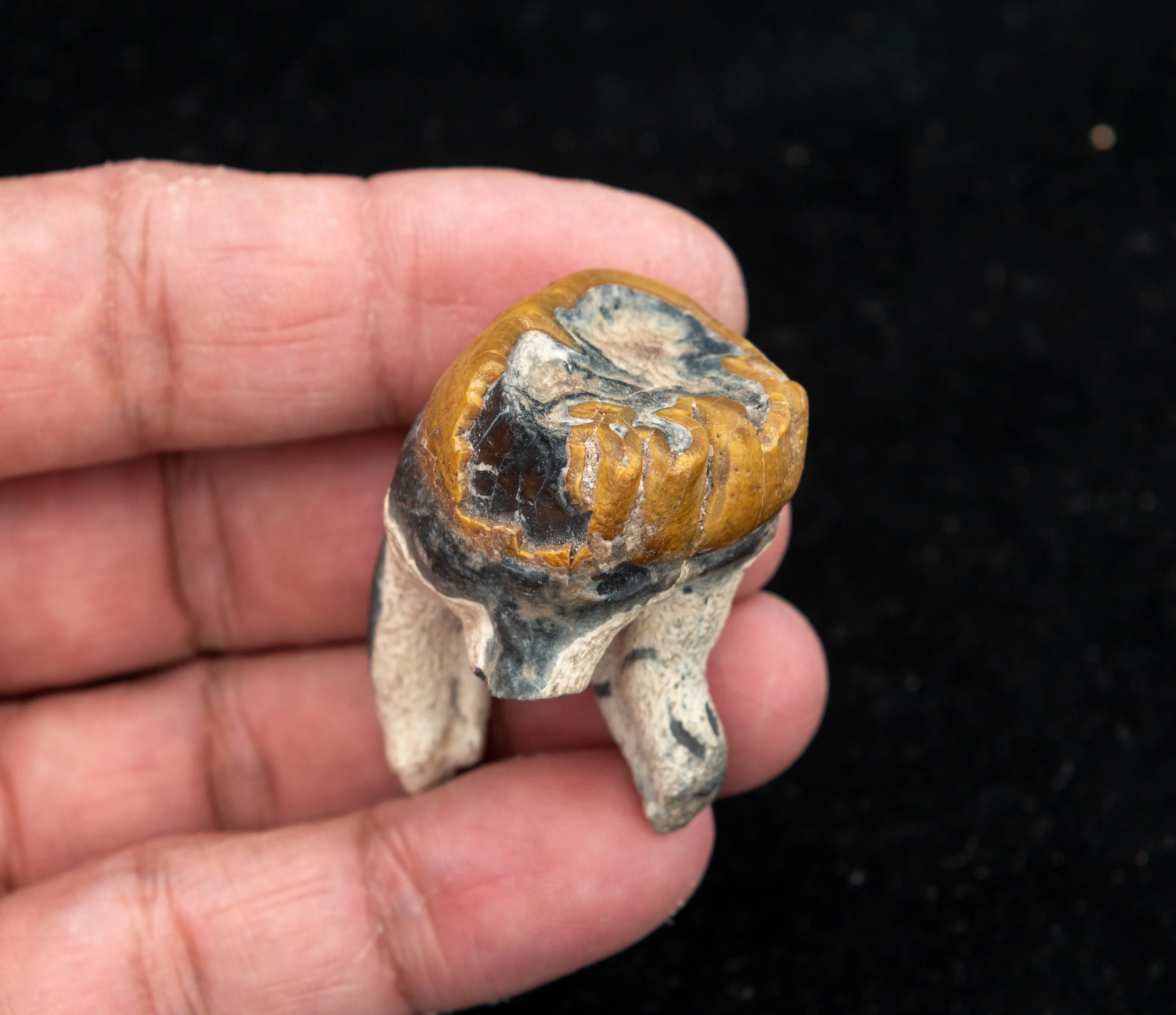
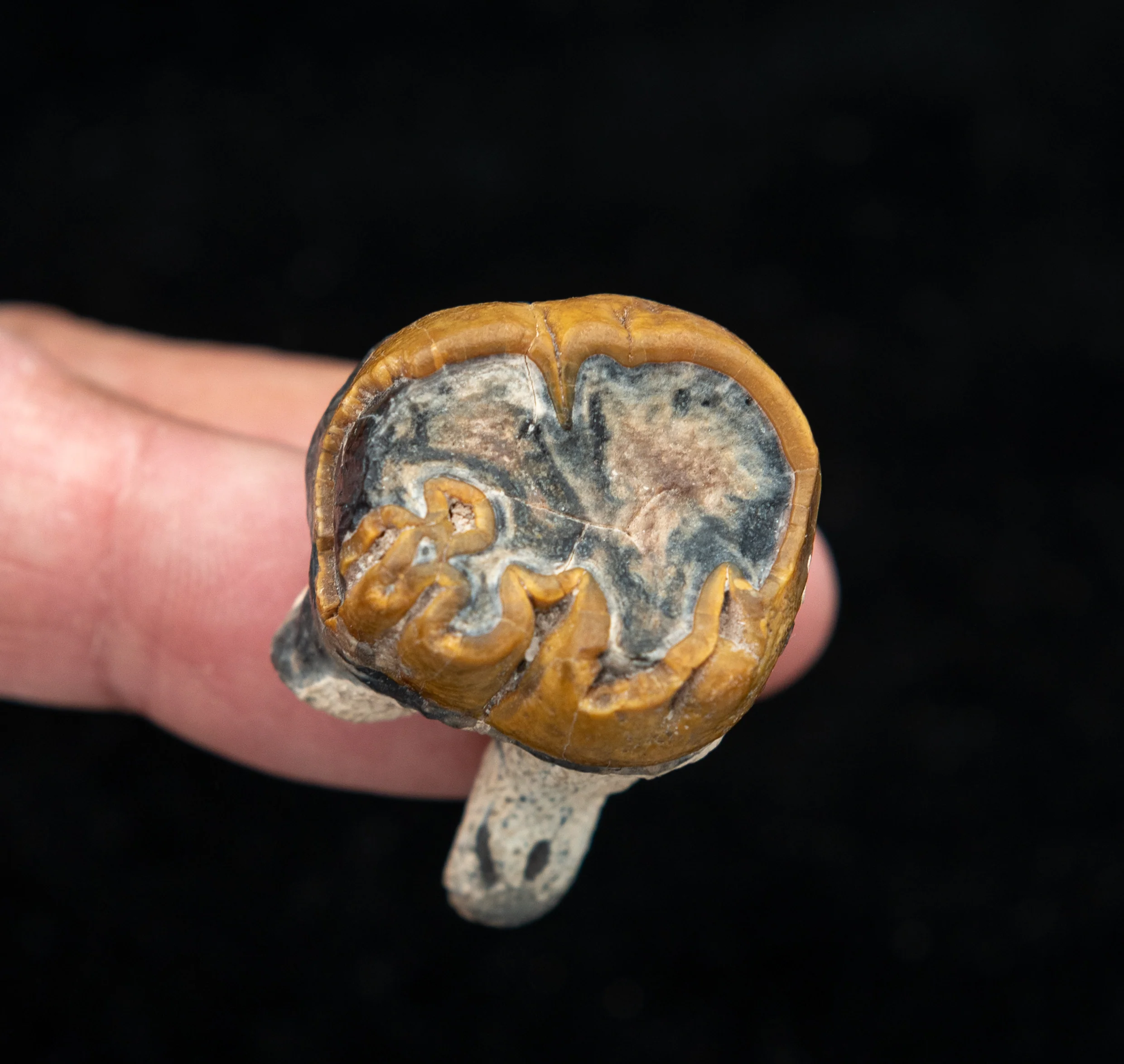
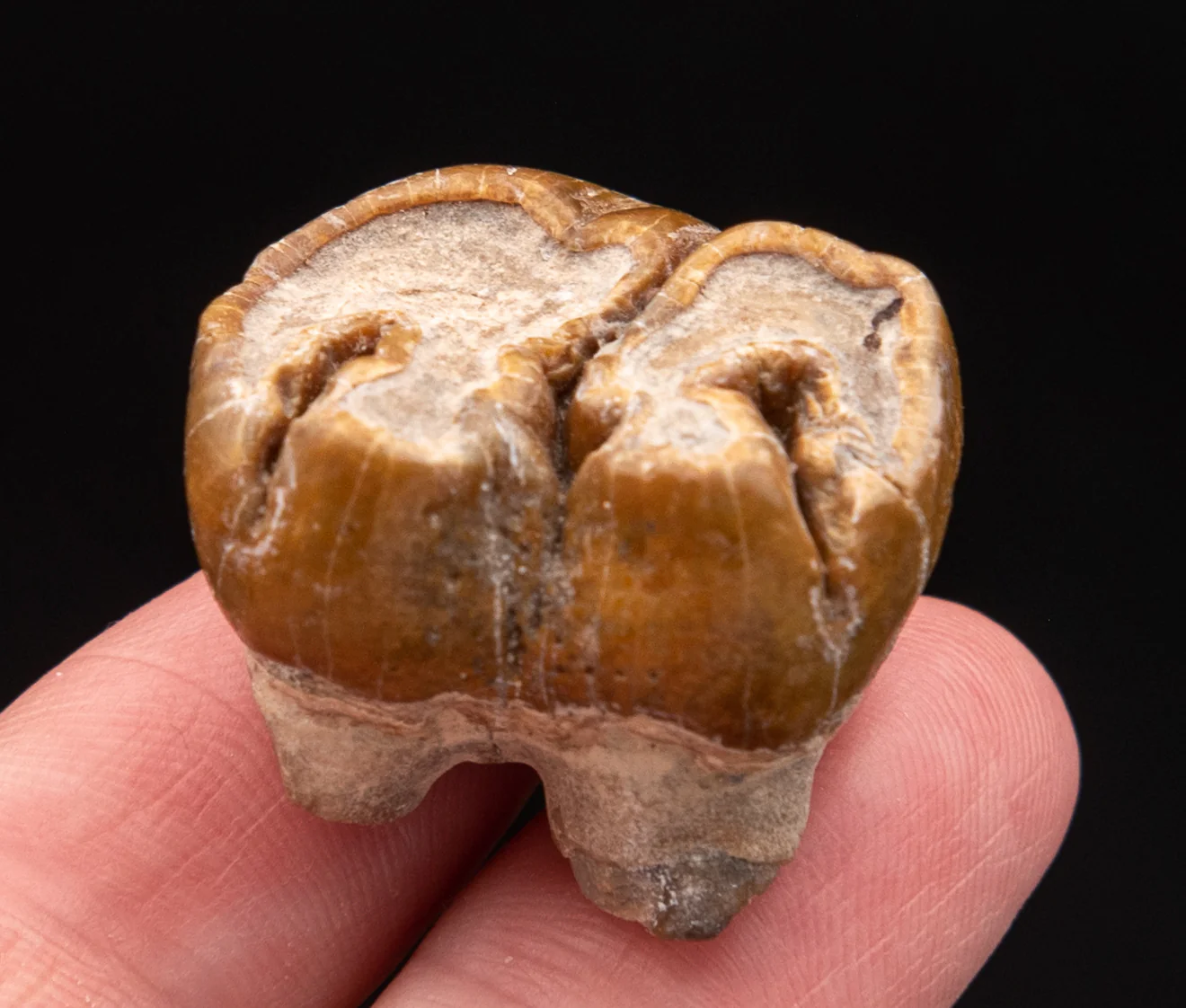
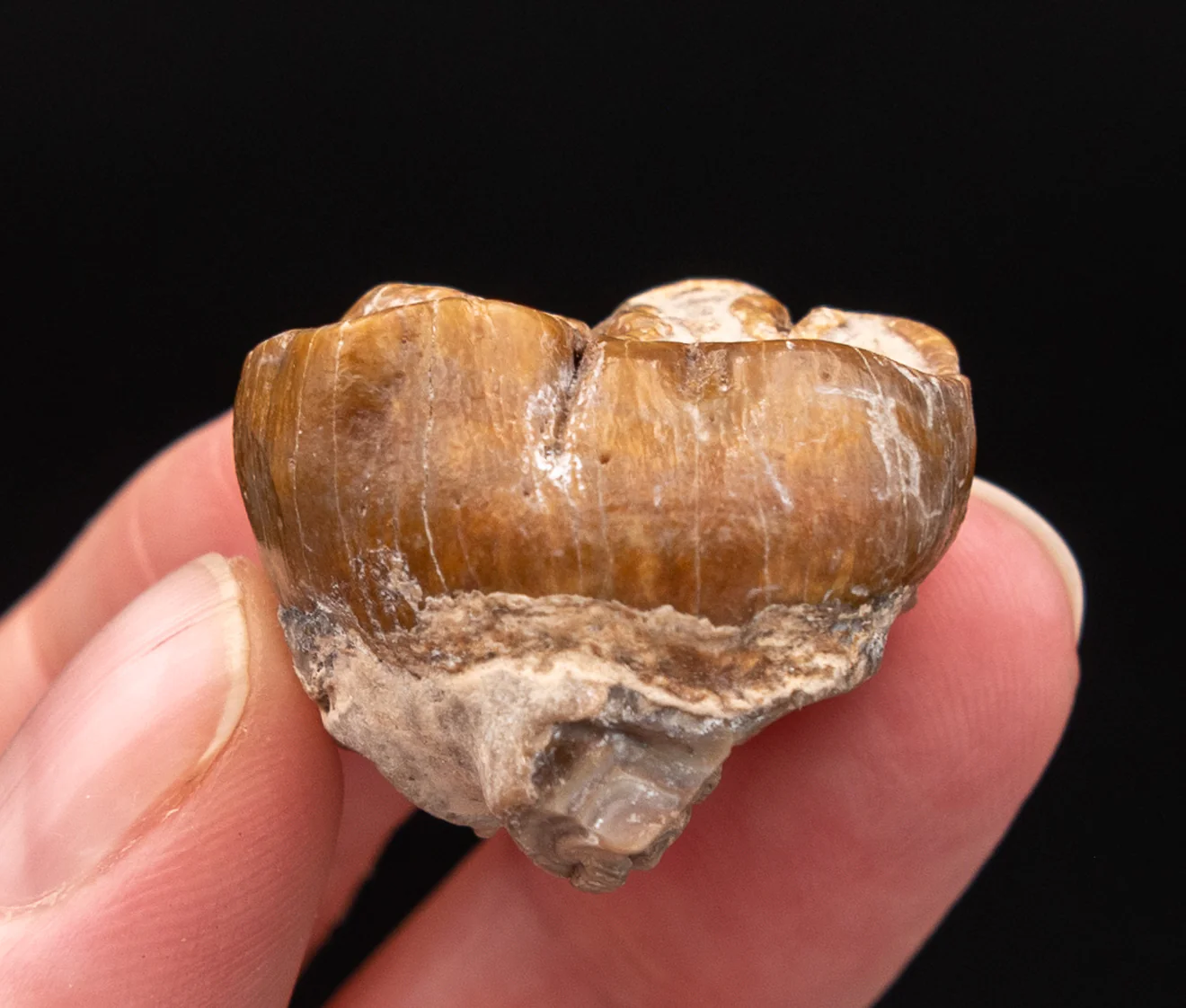
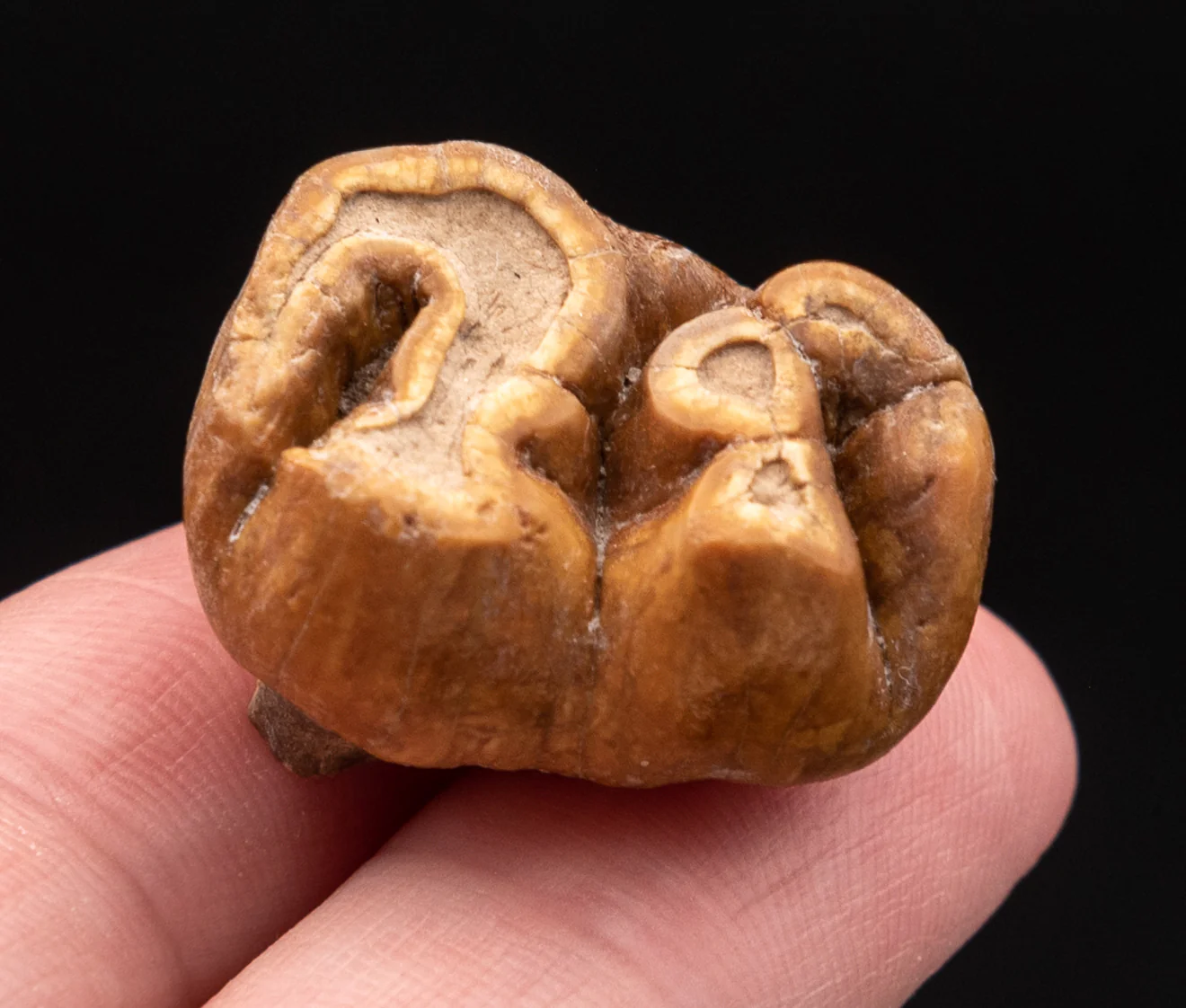
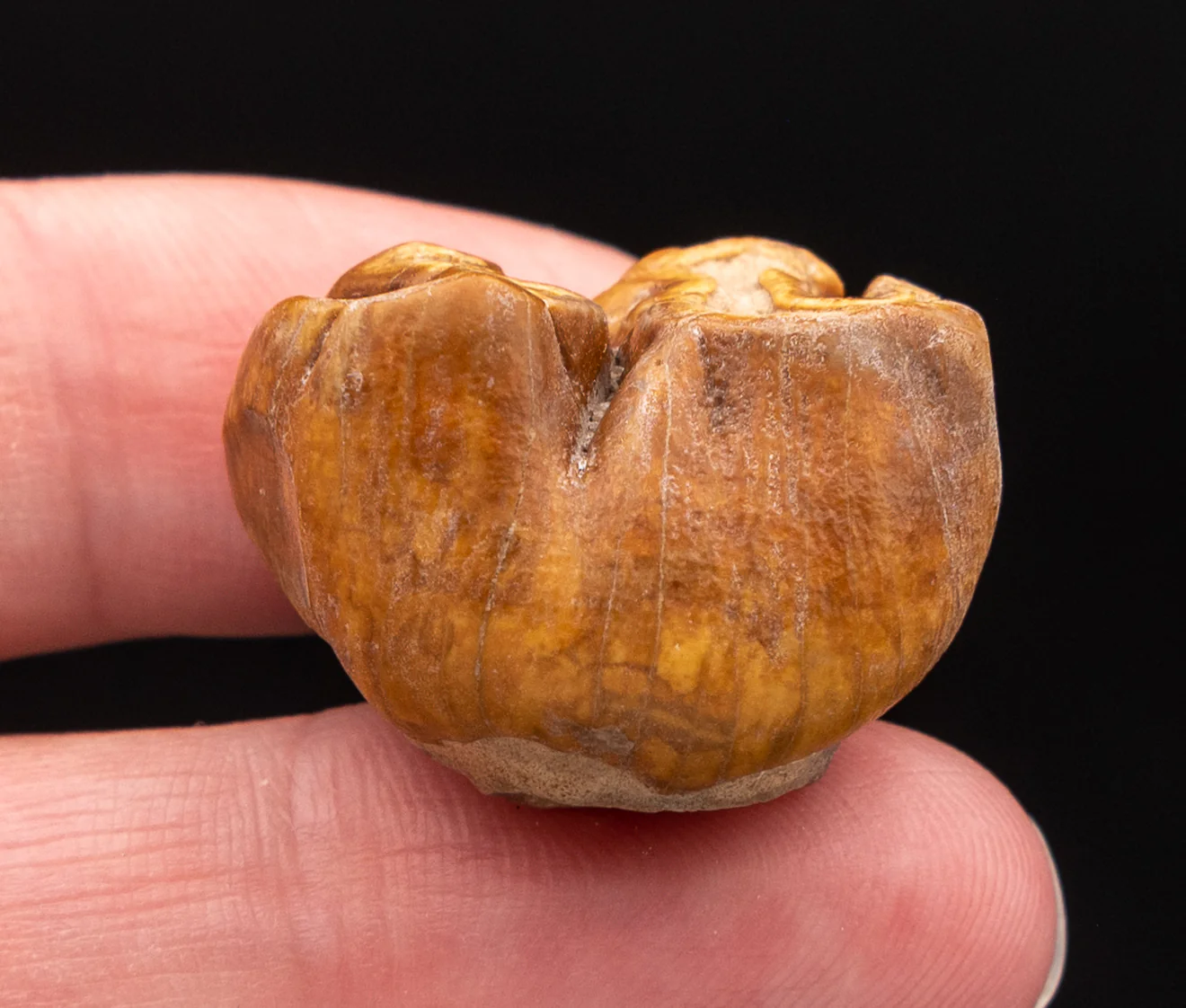
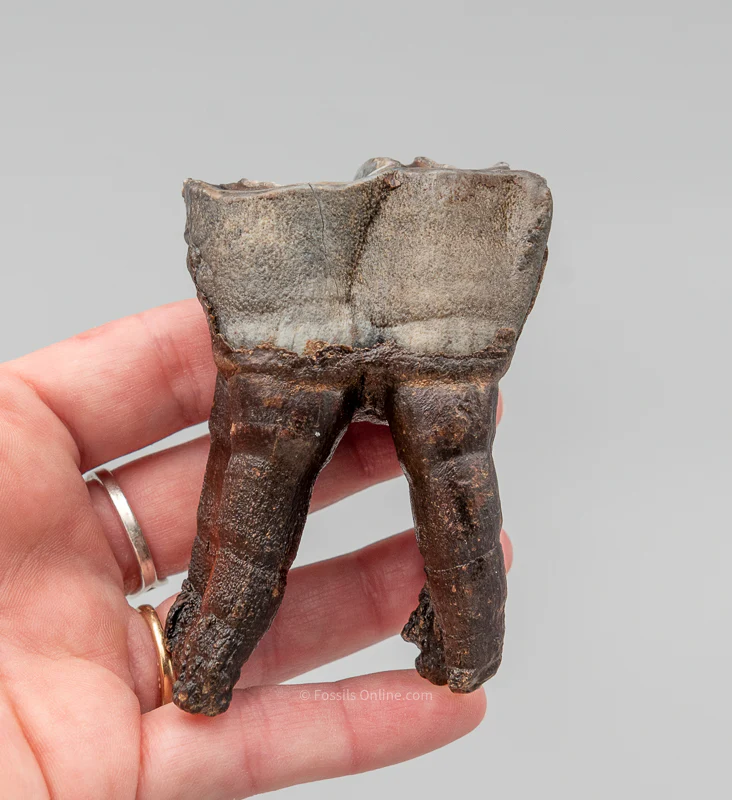
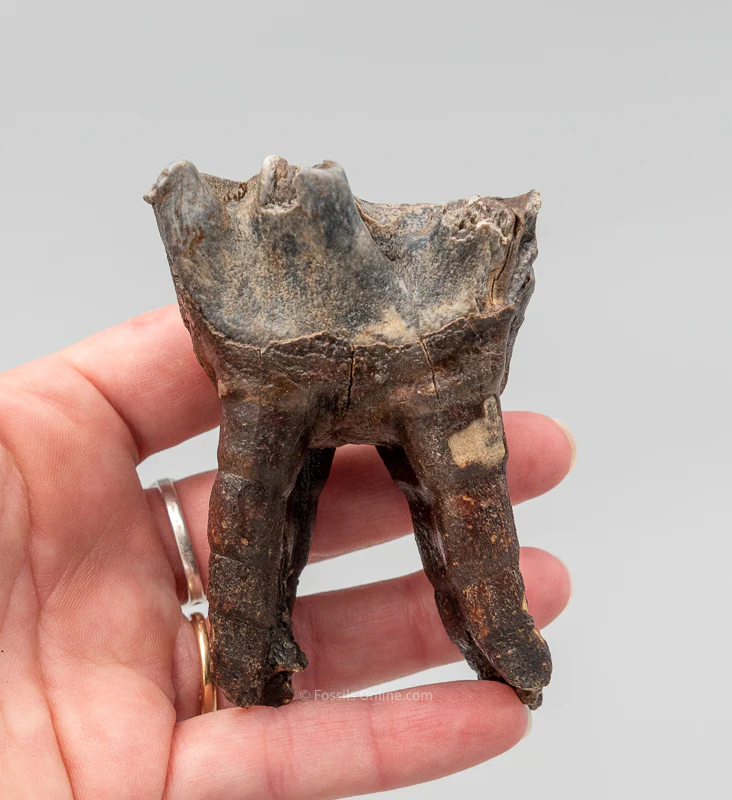
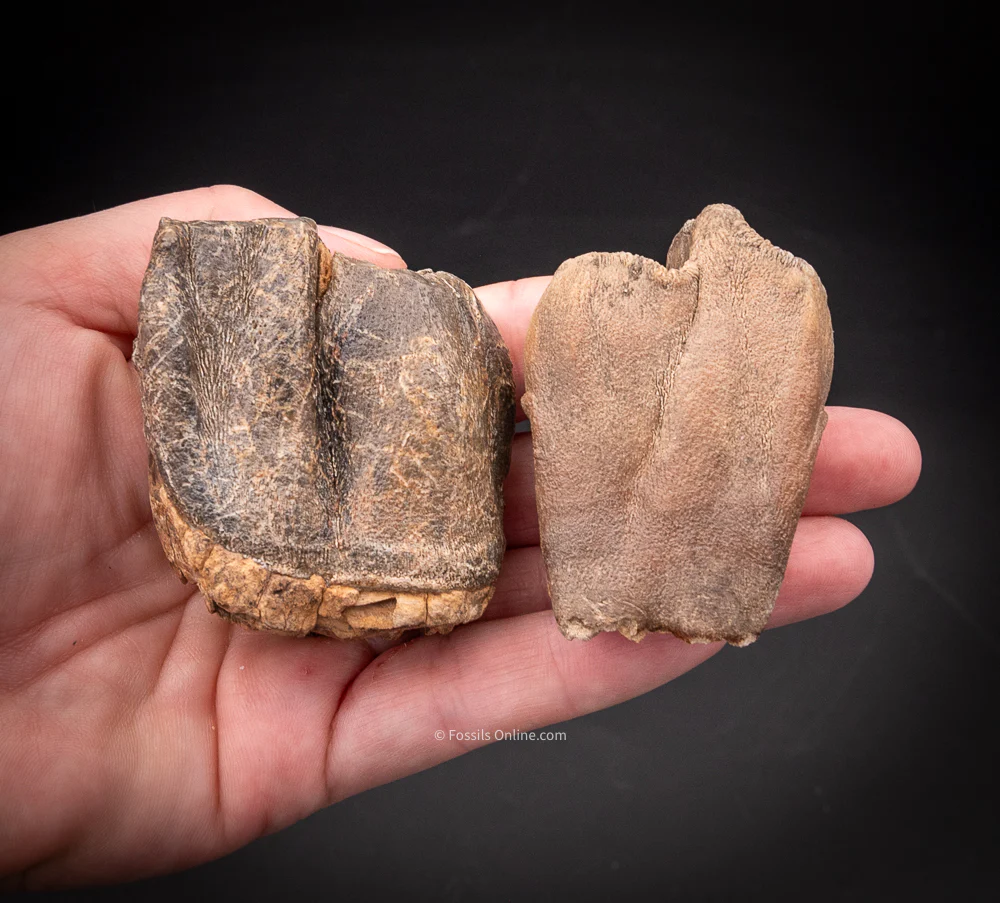
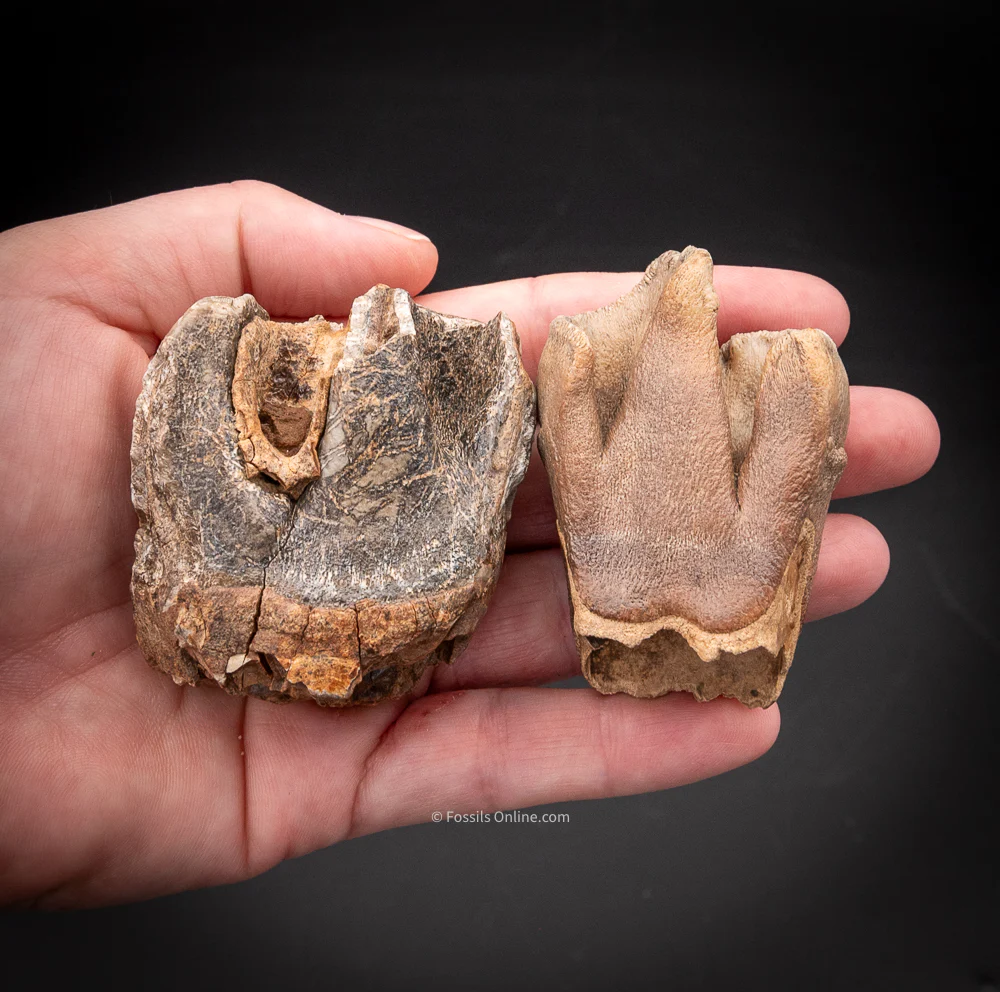
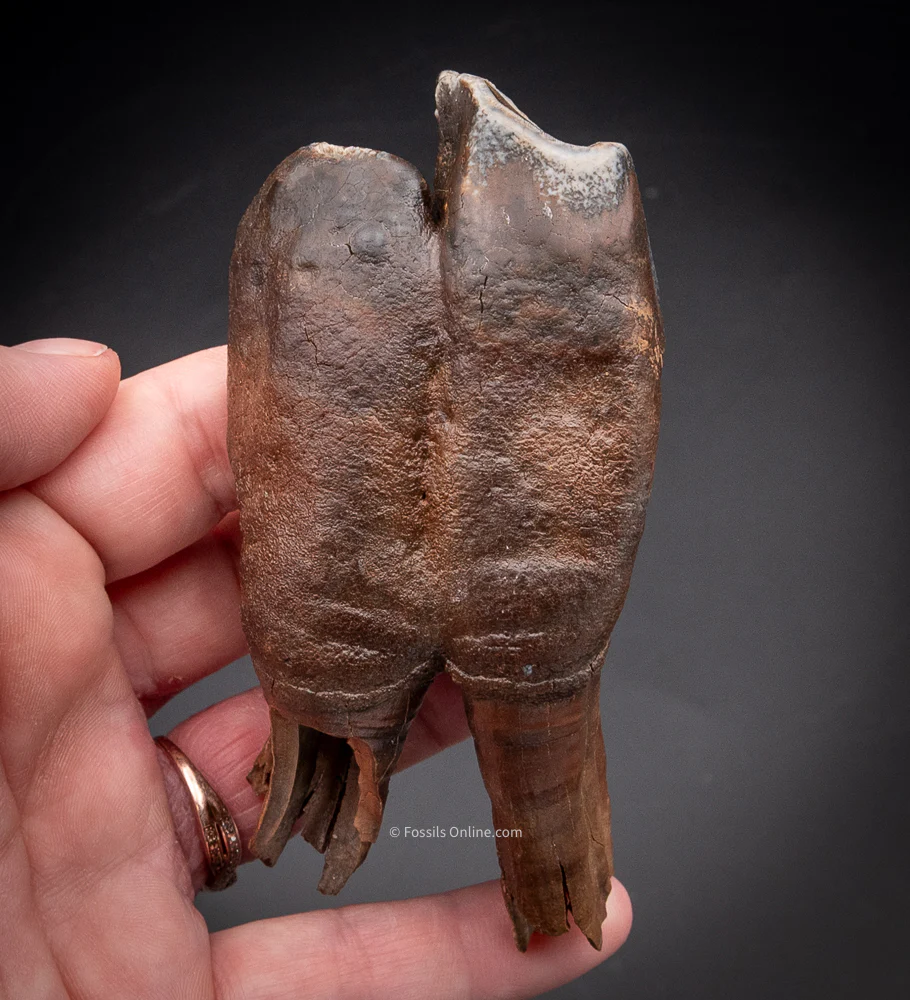
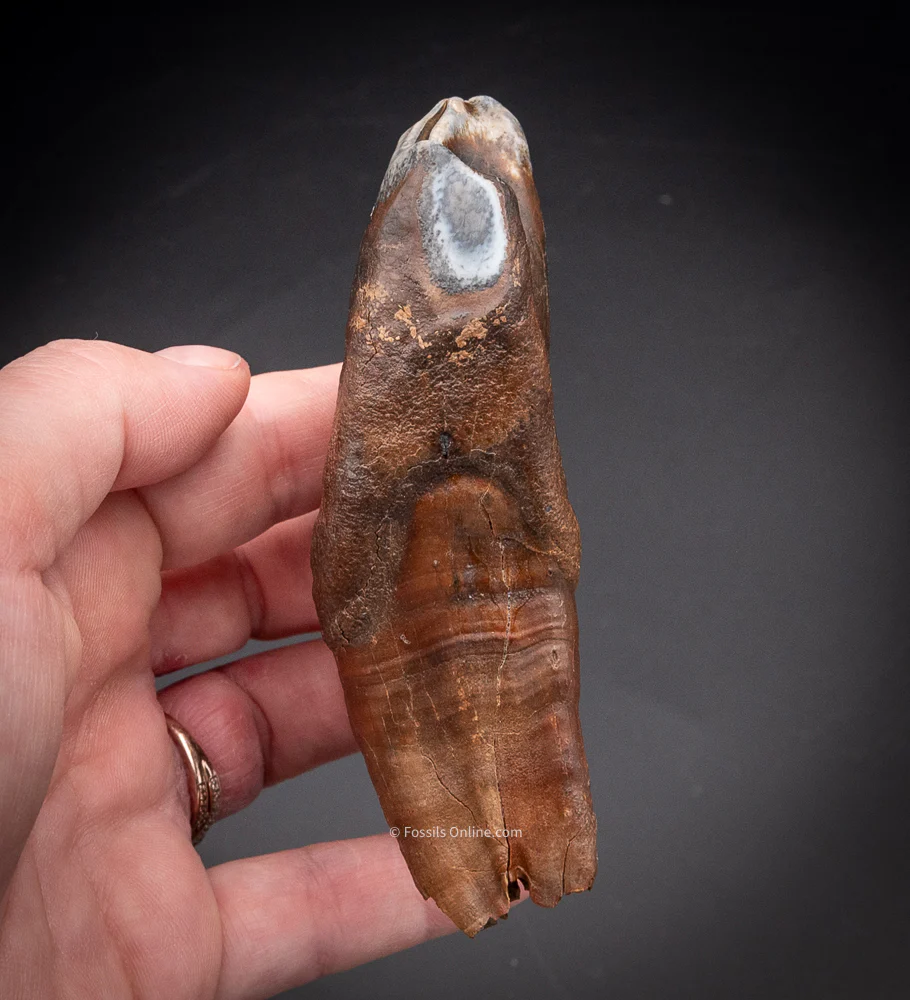
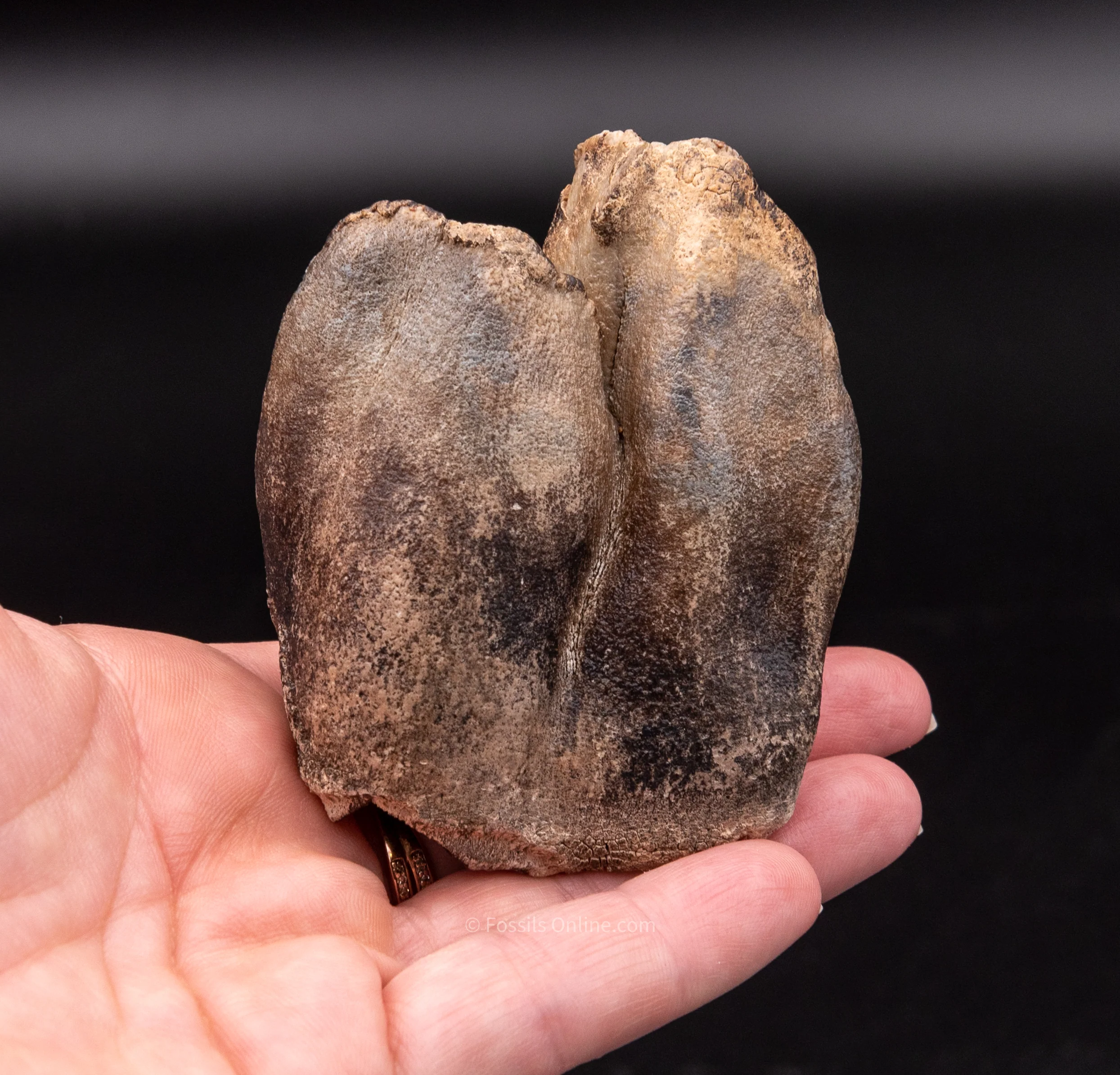
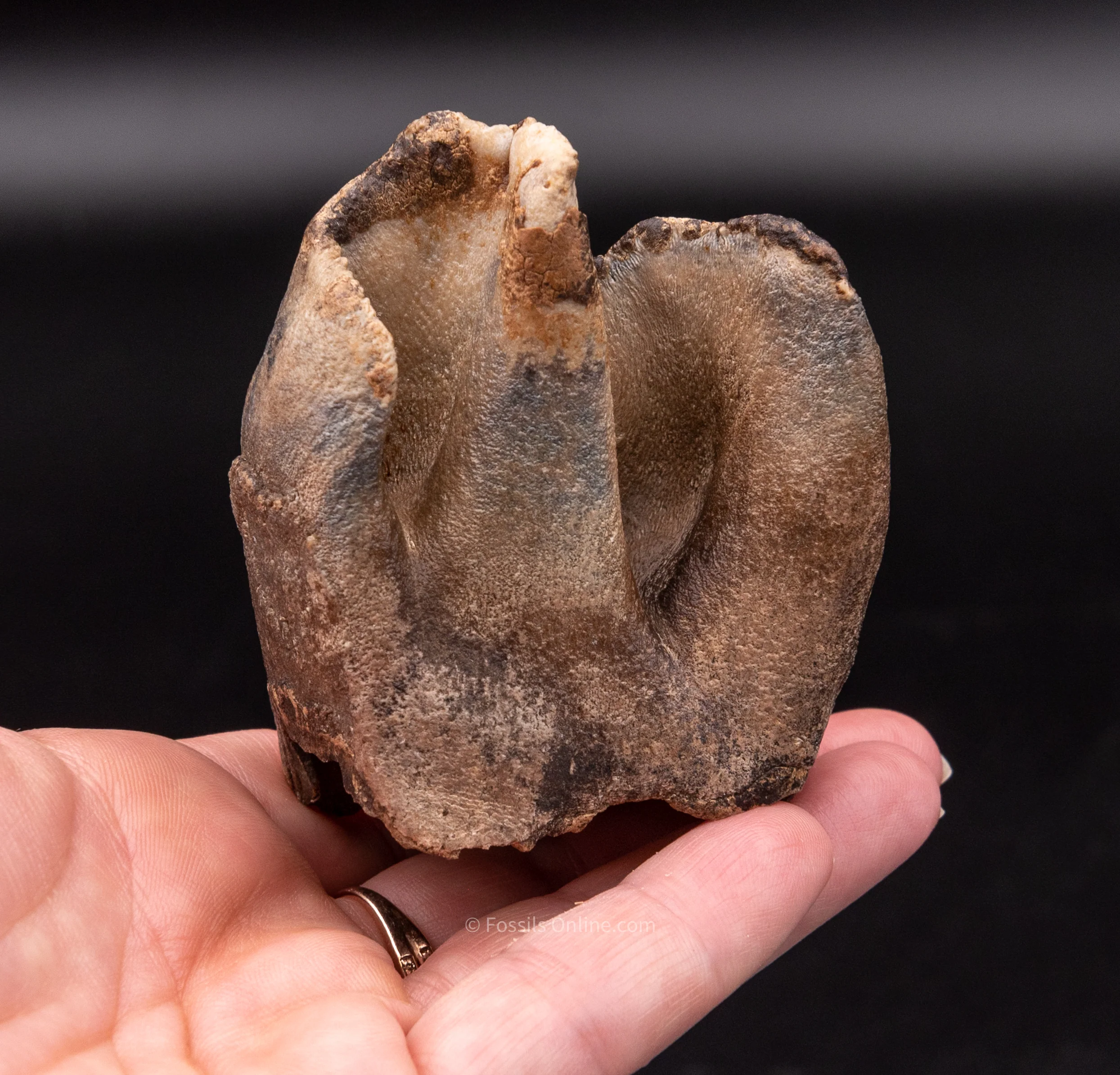
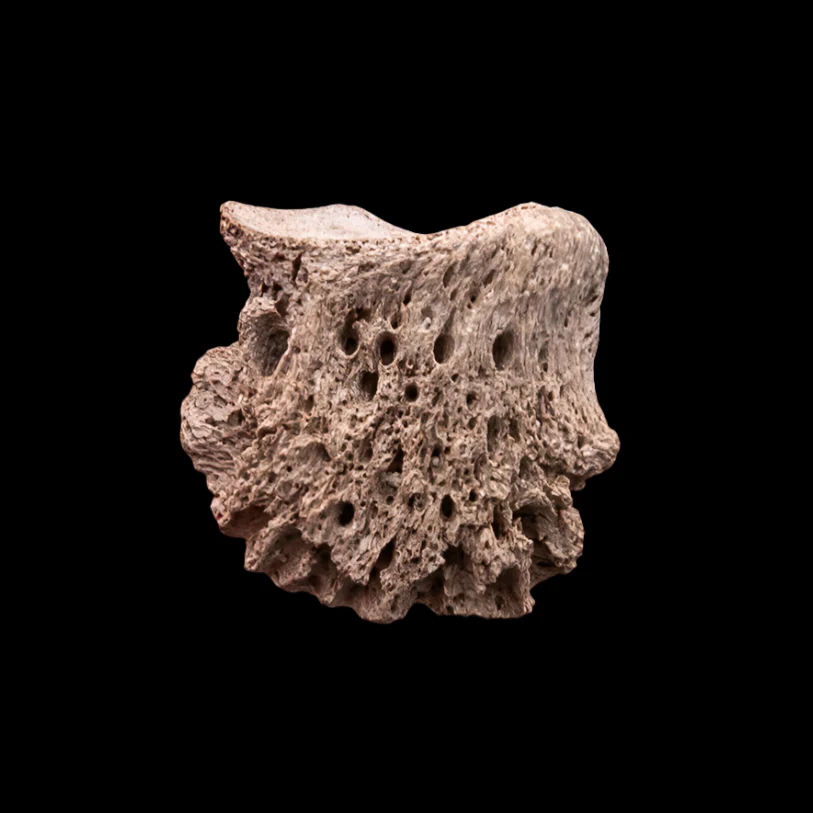
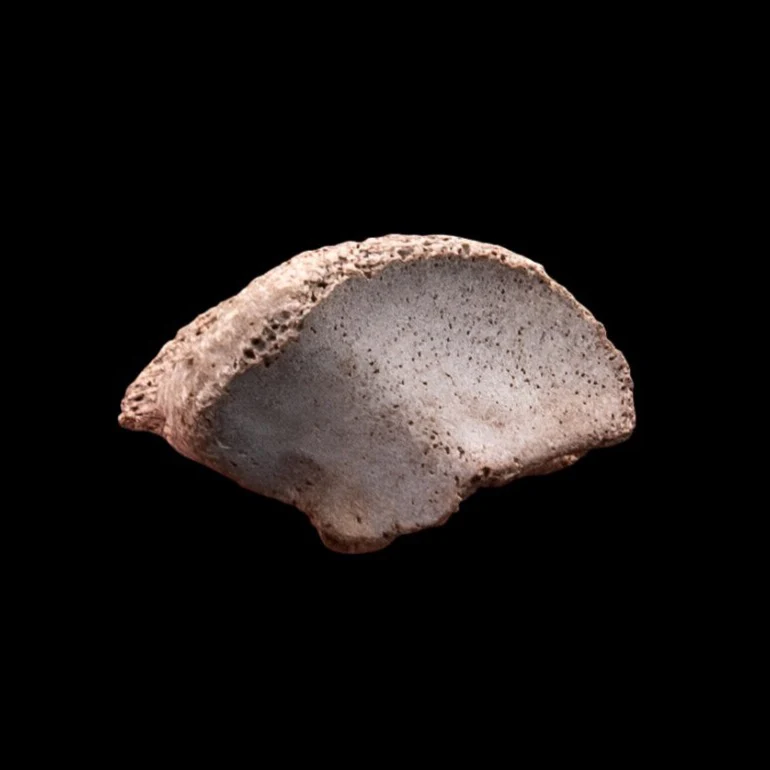
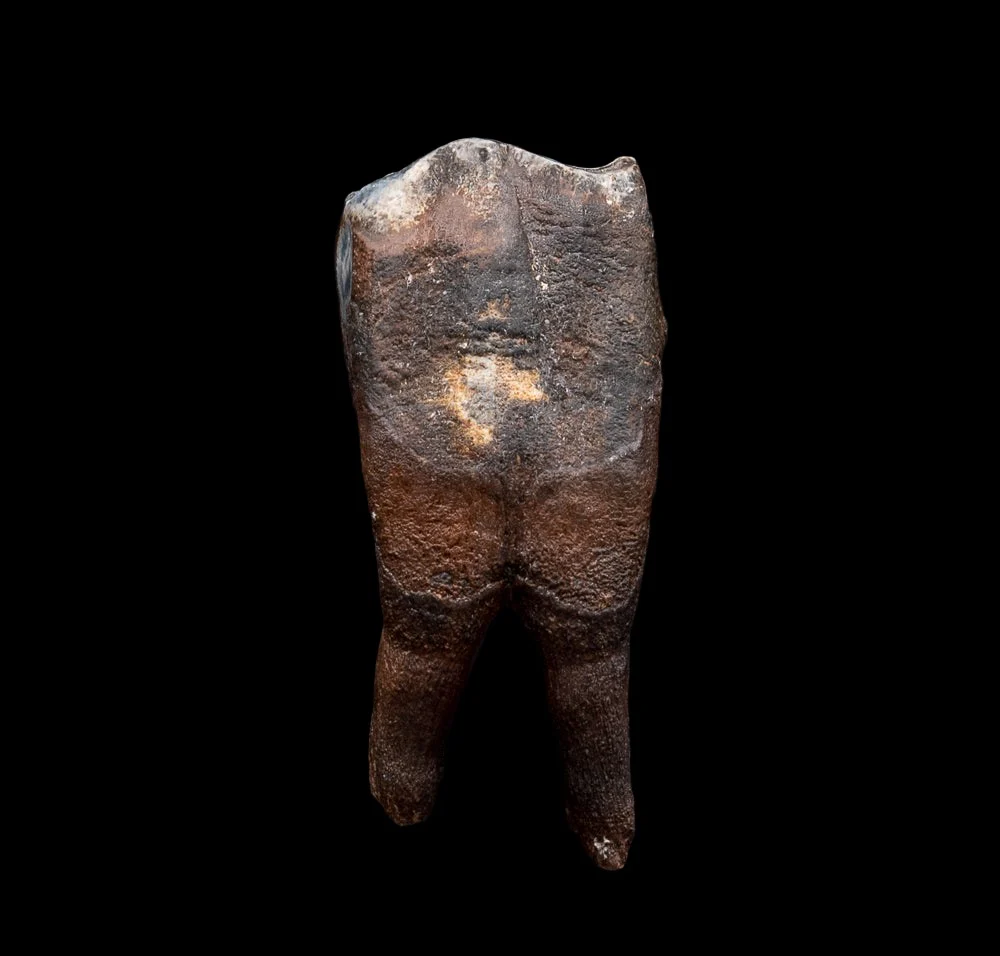
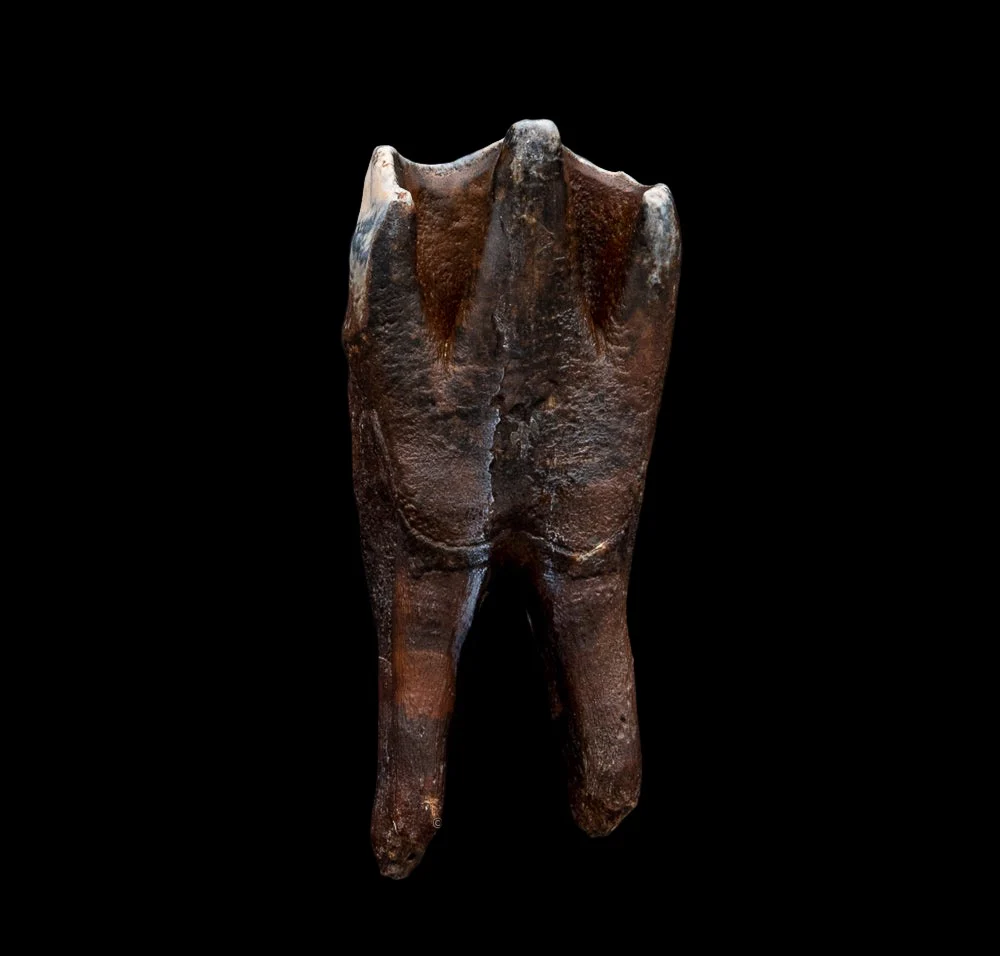
This Woolly Rhino right maxilla comes from a young animal and still holds three perfectly preserved teeth. Its rich coloration and incredible condition make it a fascinating and rare piece of natural history.
Stand included.
The Woolly Rhino, native to Siberia, was a large, prehistoric mammal that thrived during the Ice Age. Covered in thick, woolly fur and featuring a massive horn on its snout, it was well-adapted to the frigid Siberian environment. Fossils and cave paintings reveal it as a formidable herbivore, using its horn to clear snow and access vegetation. The woolly rhino became extinct around 10,000 years ago, likely due to climate change and human activities.
Product Information
Product Information
Shipping & Returns
Shipping & Returns


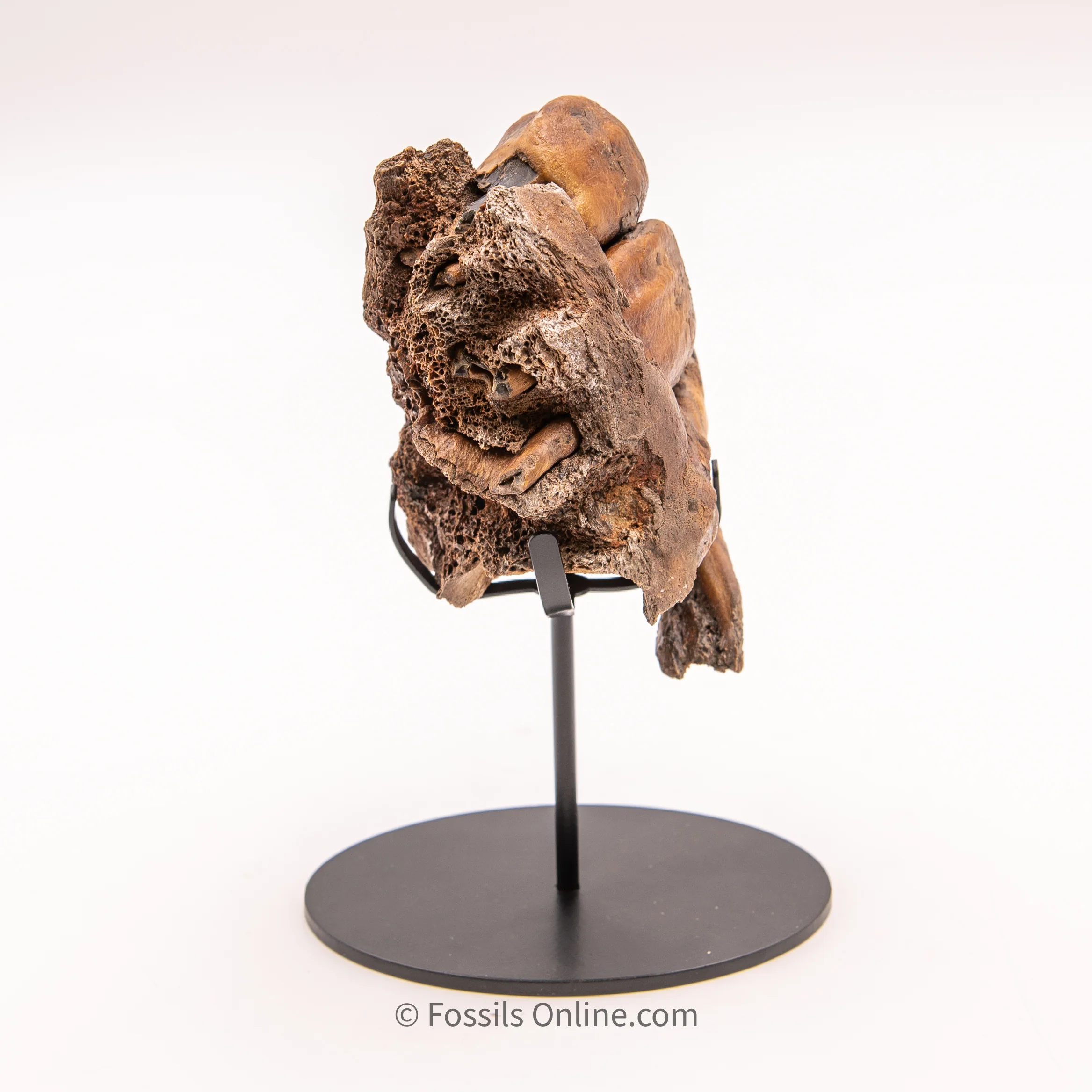

Woolly Rhino Maxilla from Siberia
Woolly Rhino Maxilla from Siberia
This Woolly Rhino right maxilla comes from a young animal and still holds three perfectly preserved teeth. Its rich coloration and incredible condition make it a fascinating and rare piece of natural history.
Stand included.
The Woolly Rhino, native to Siberia, was a large, prehistoric mammal that thrived during the Ice Age. Covered in thick, woolly fur and featuring a massive horn on its snout, it was well-adapted to the frigid Siberian environment. Fossils and cave paintings reveal it as a formidable herbivore, using its horn to clear snow and access vegetation. The woolly rhino became extinct around 10,000 years ago, likely due to climate change and human activities.
Original: $525.00
-65%$525.00
$183.75Product Information
Product Information
Shipping & Returns
Shipping & Returns
Description
This Woolly Rhino right maxilla comes from a young animal and still holds three perfectly preserved teeth. Its rich coloration and incredible condition make it a fascinating and rare piece of natural history.
Stand included.
The Woolly Rhino, native to Siberia, was a large, prehistoric mammal that thrived during the Ice Age. Covered in thick, woolly fur and featuring a massive horn on its snout, it was well-adapted to the frigid Siberian environment. Fossils and cave paintings reveal it as a formidable herbivore, using its horn to clear snow and access vegetation. The woolly rhino became extinct around 10,000 years ago, likely due to climate change and human activities.