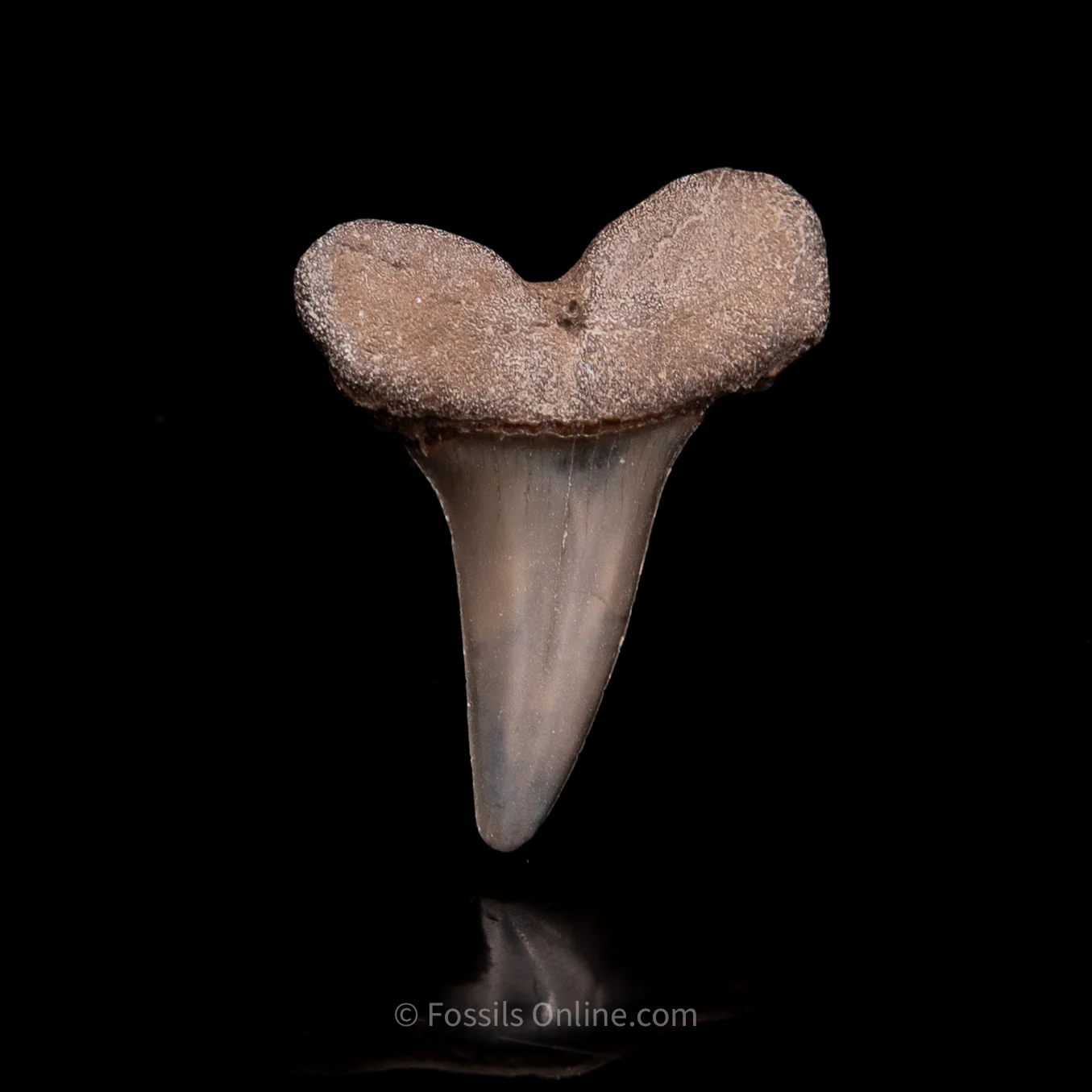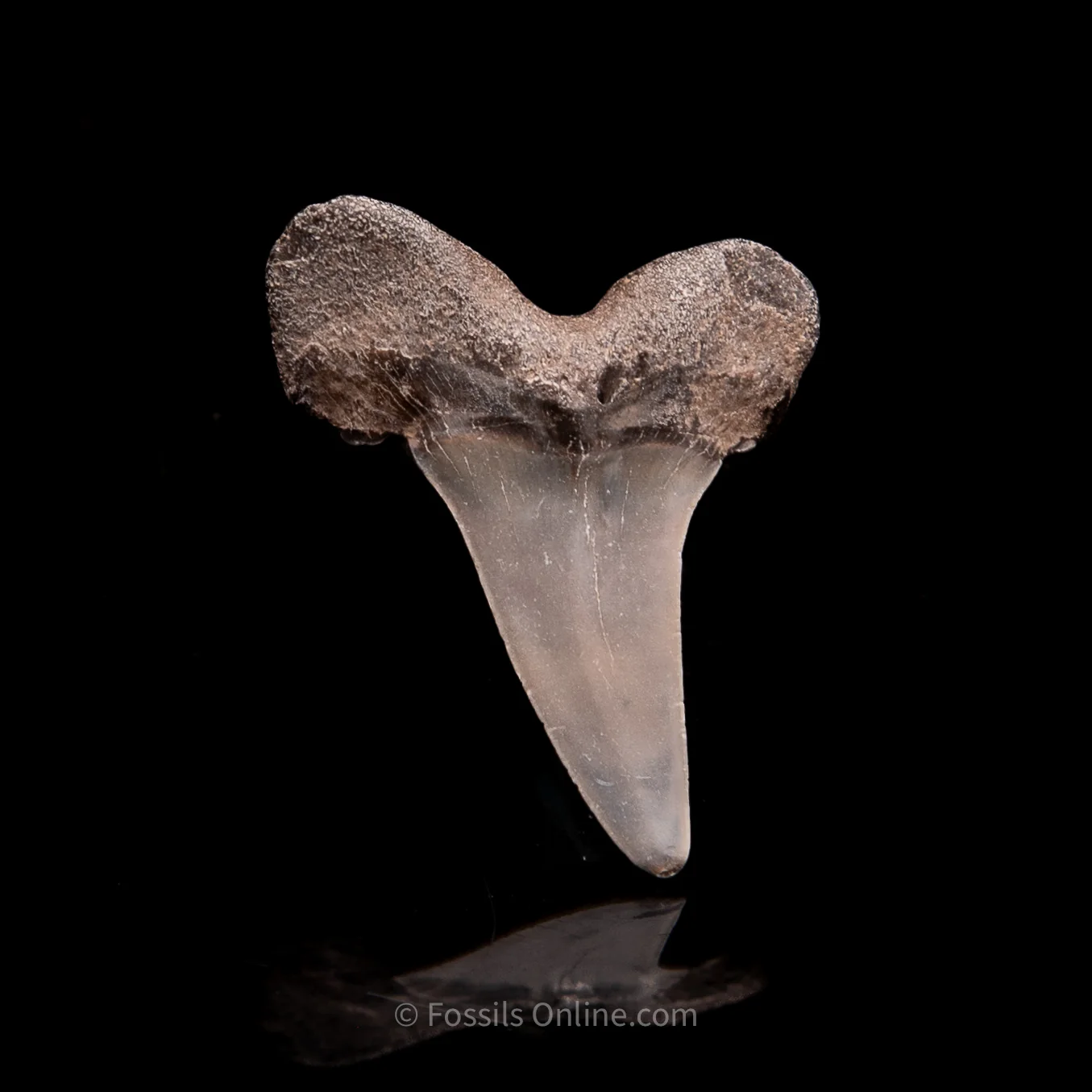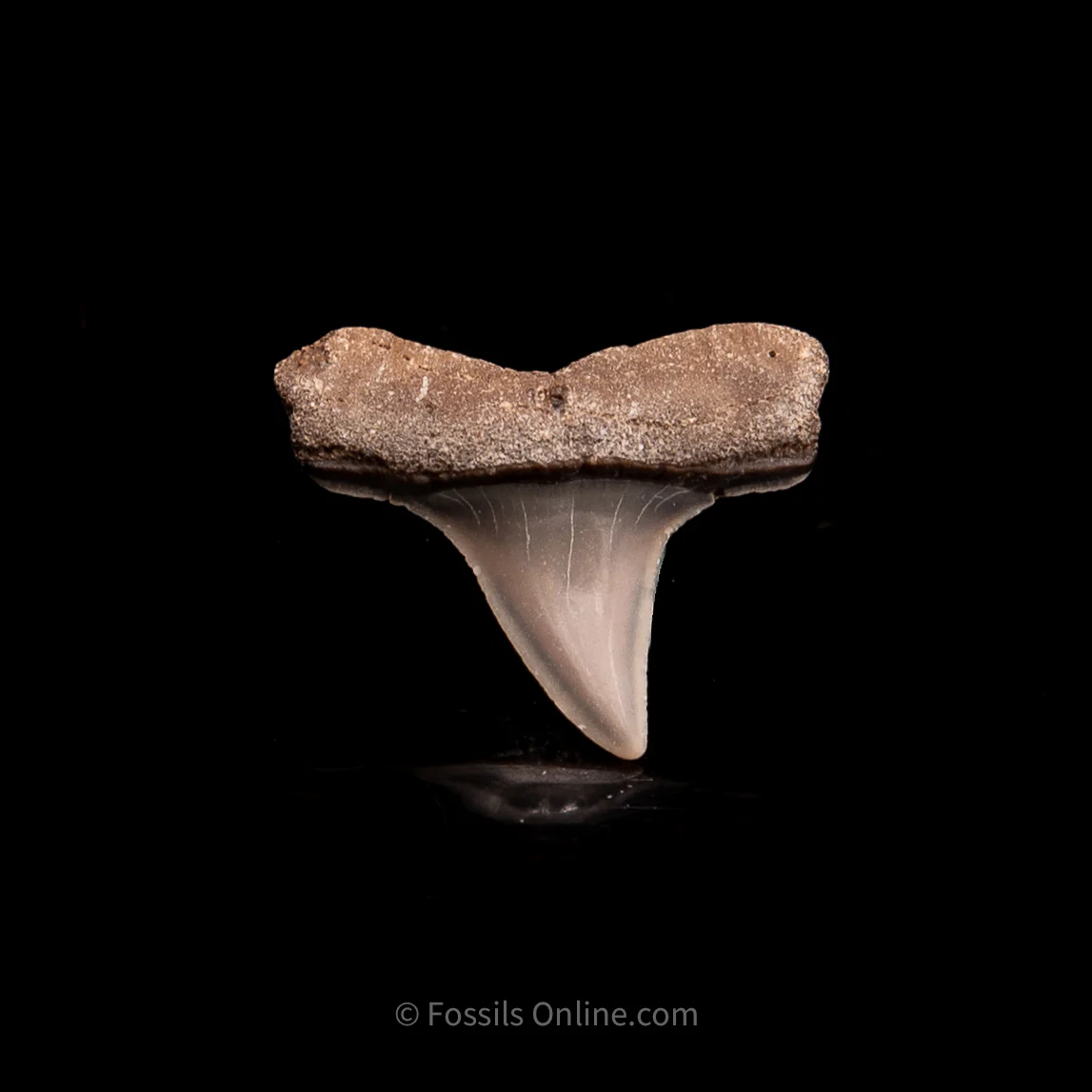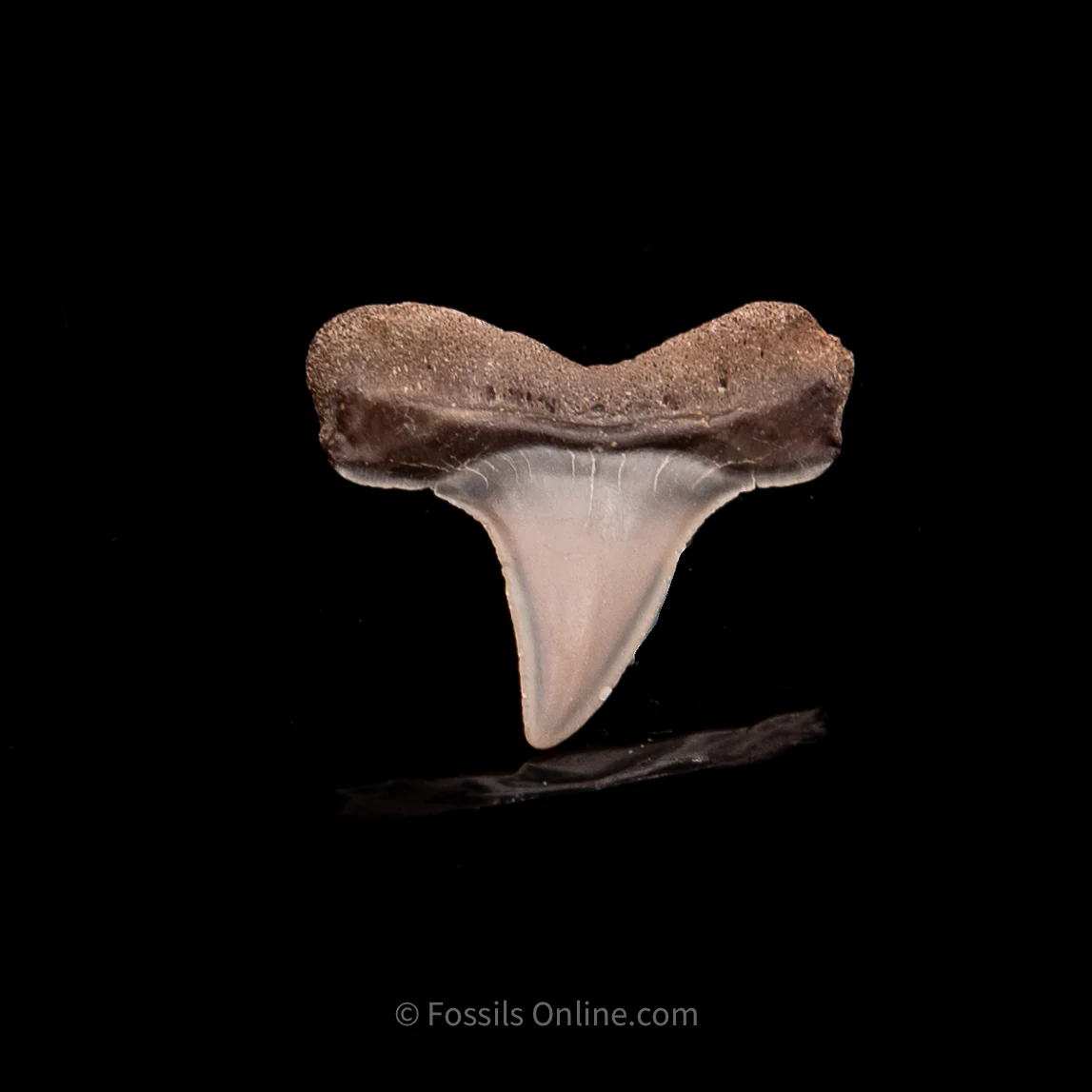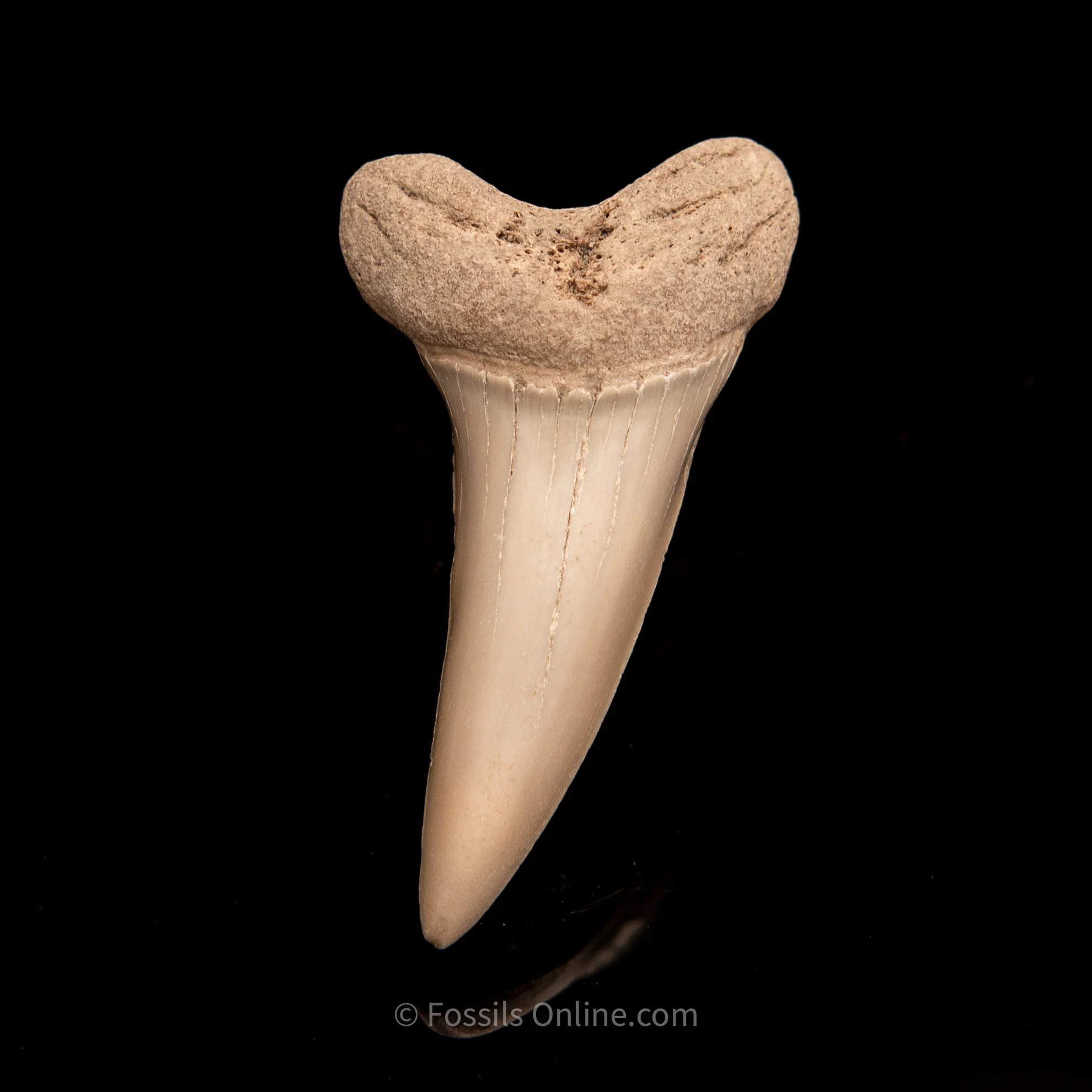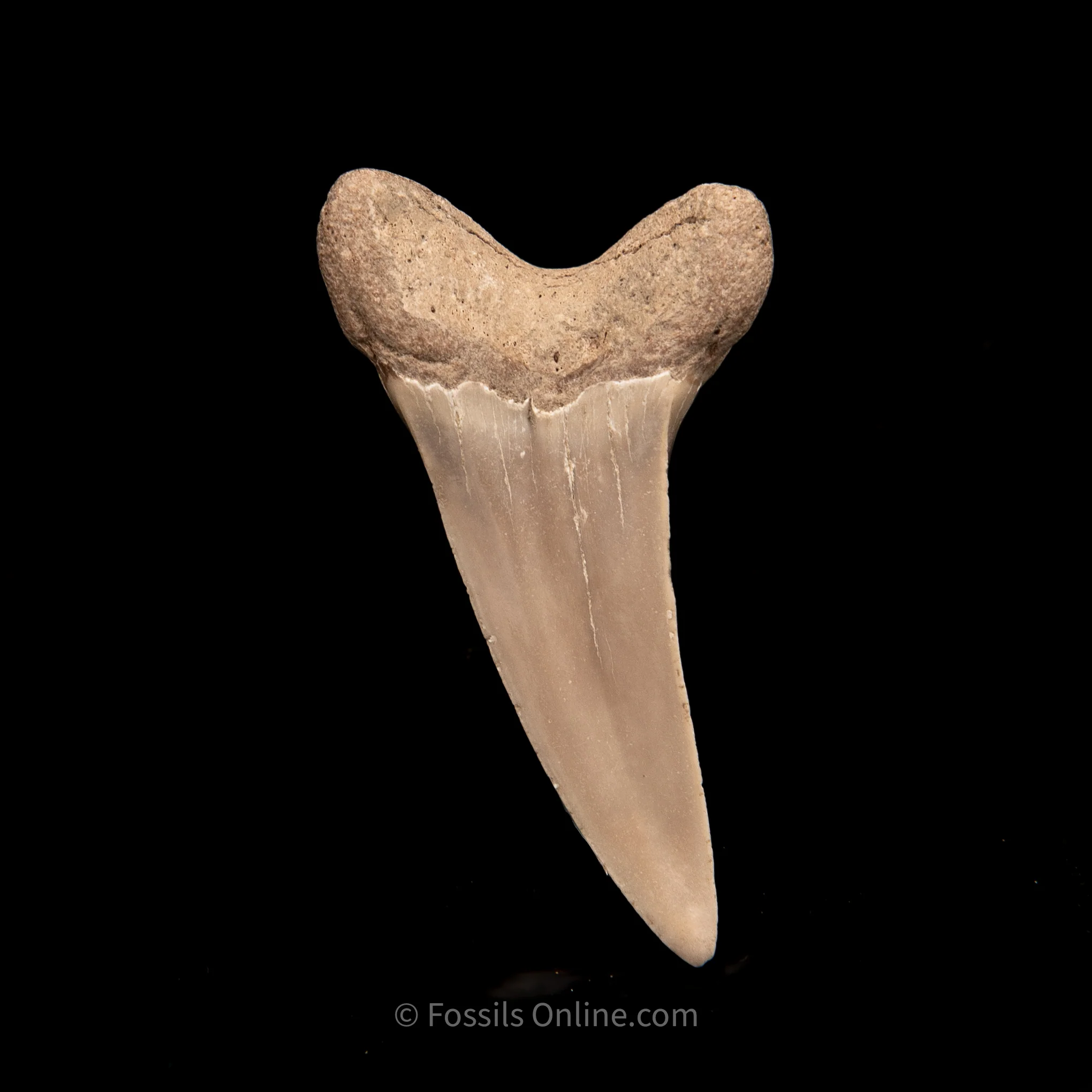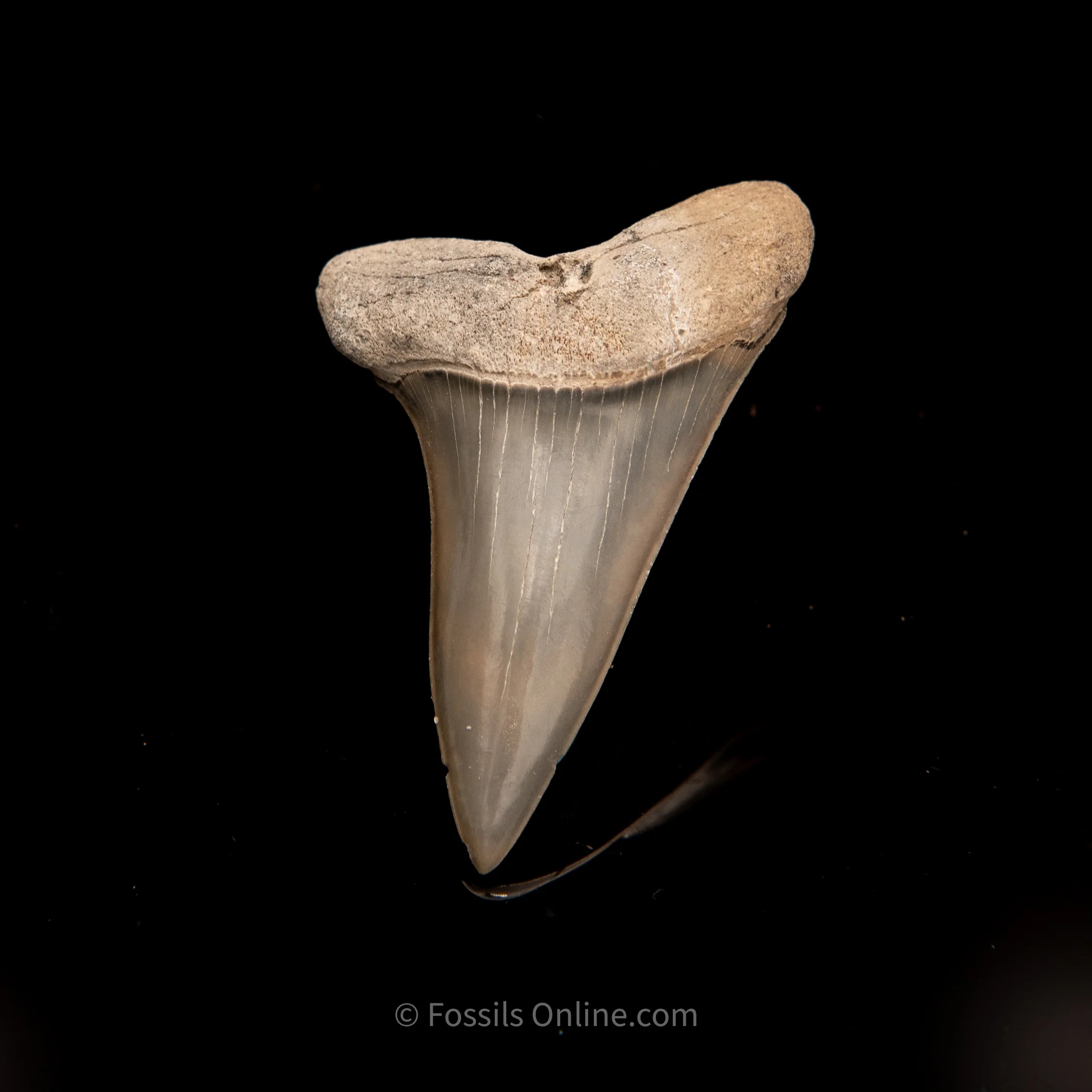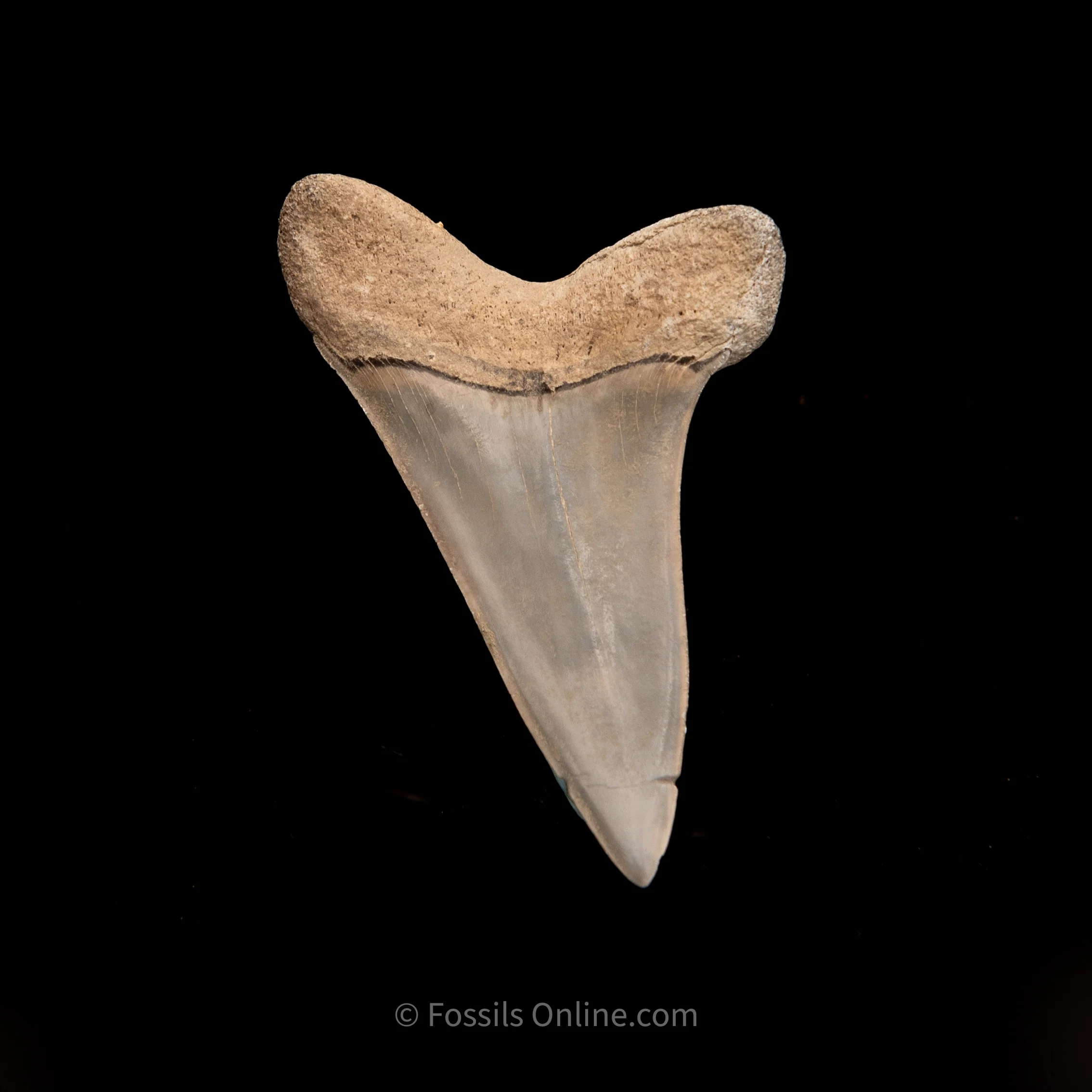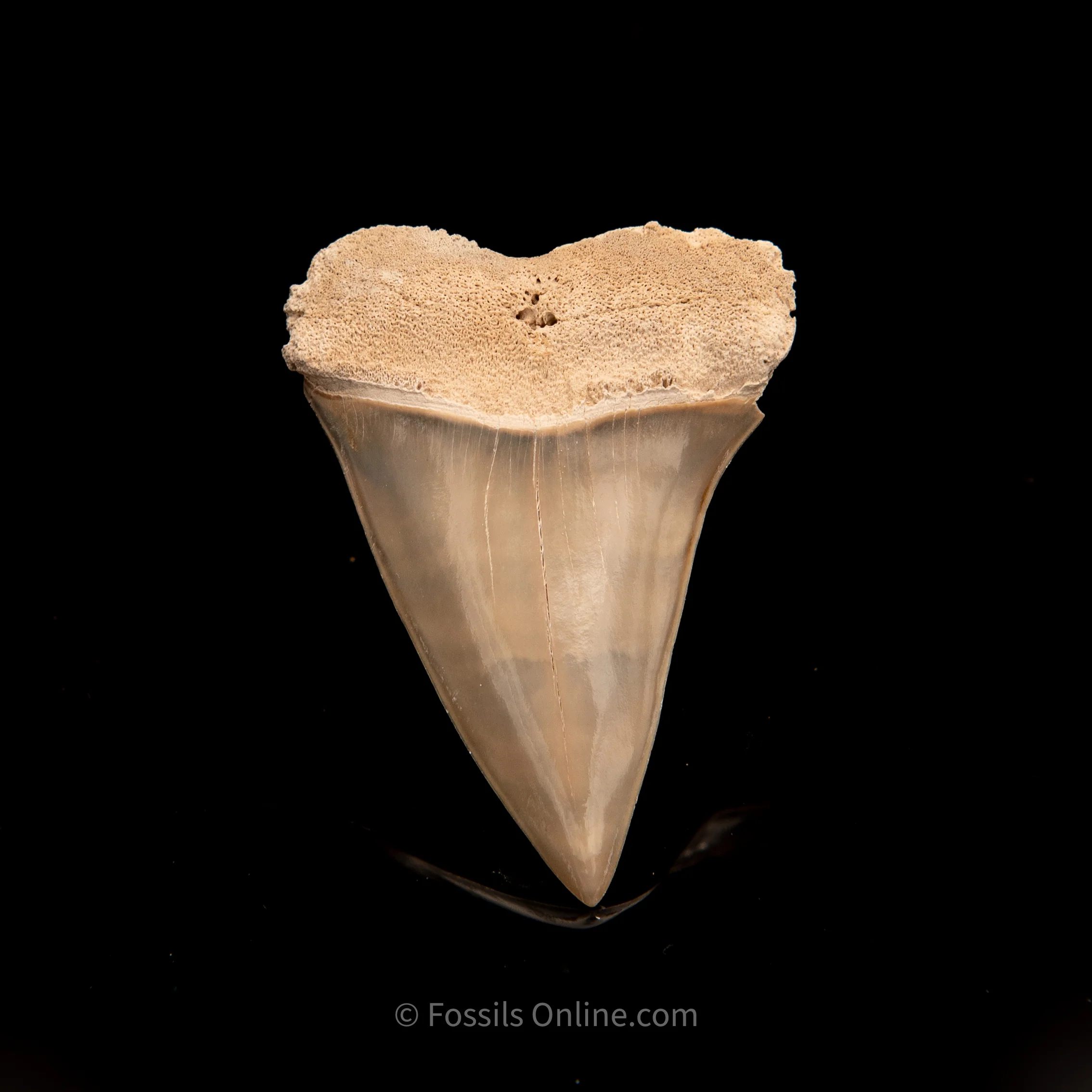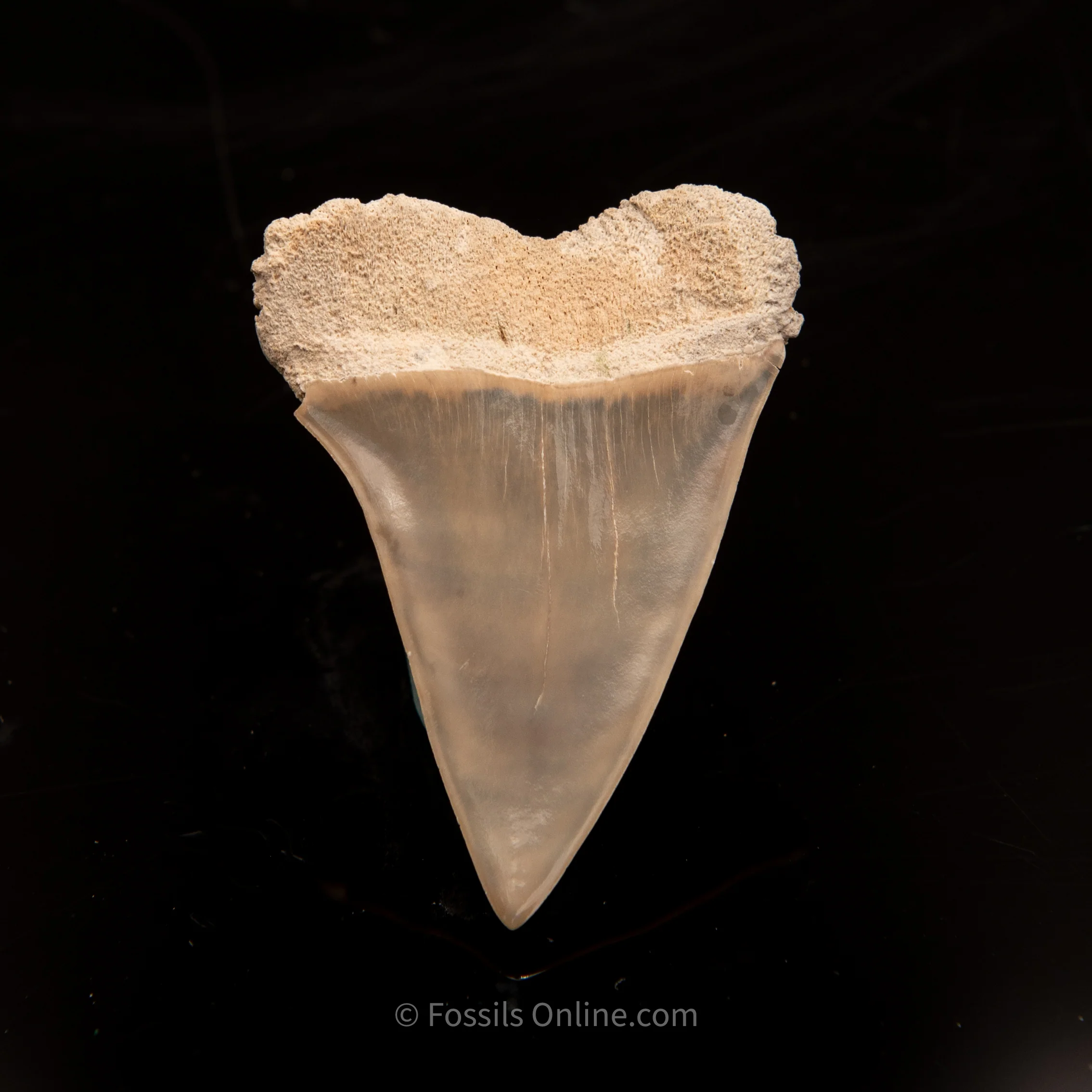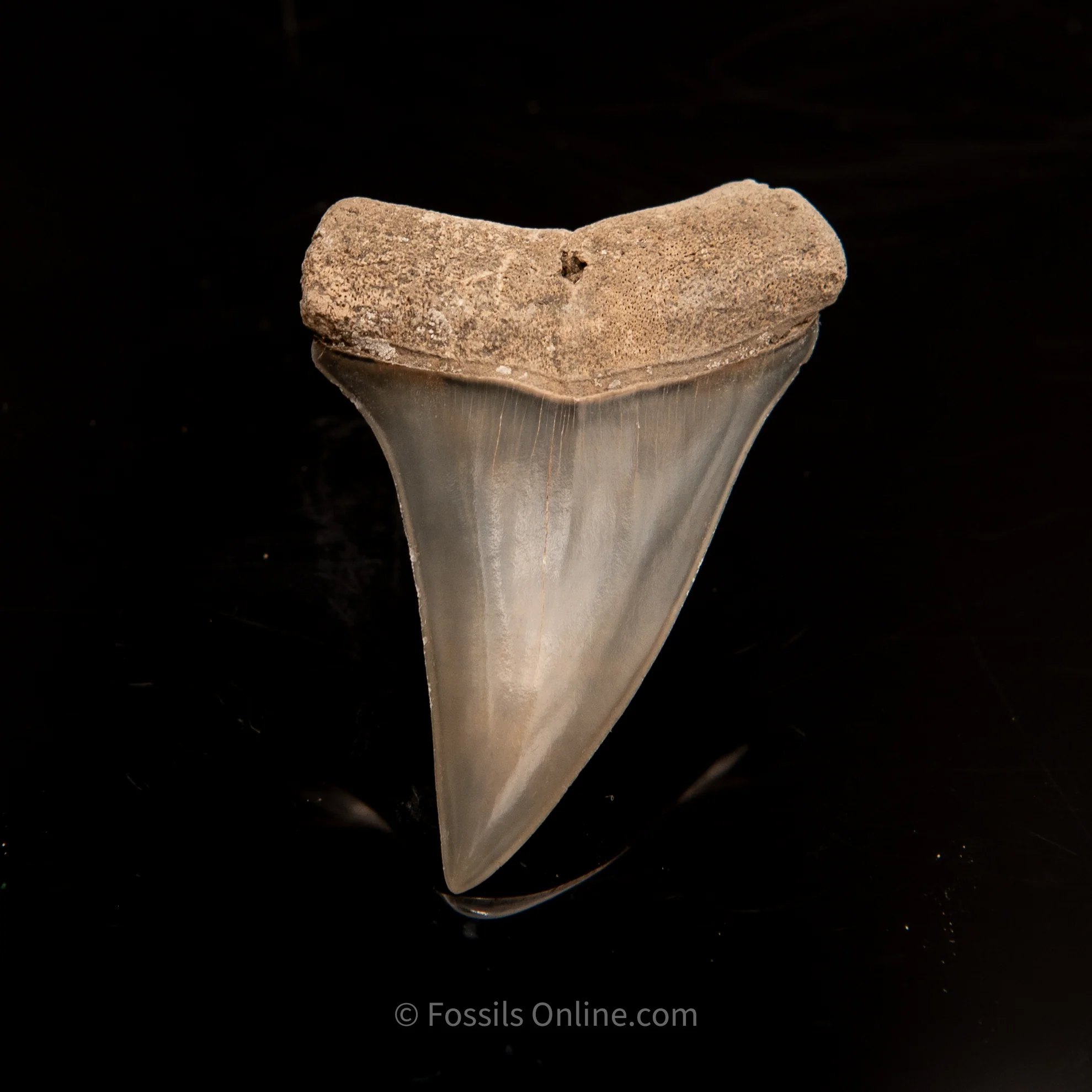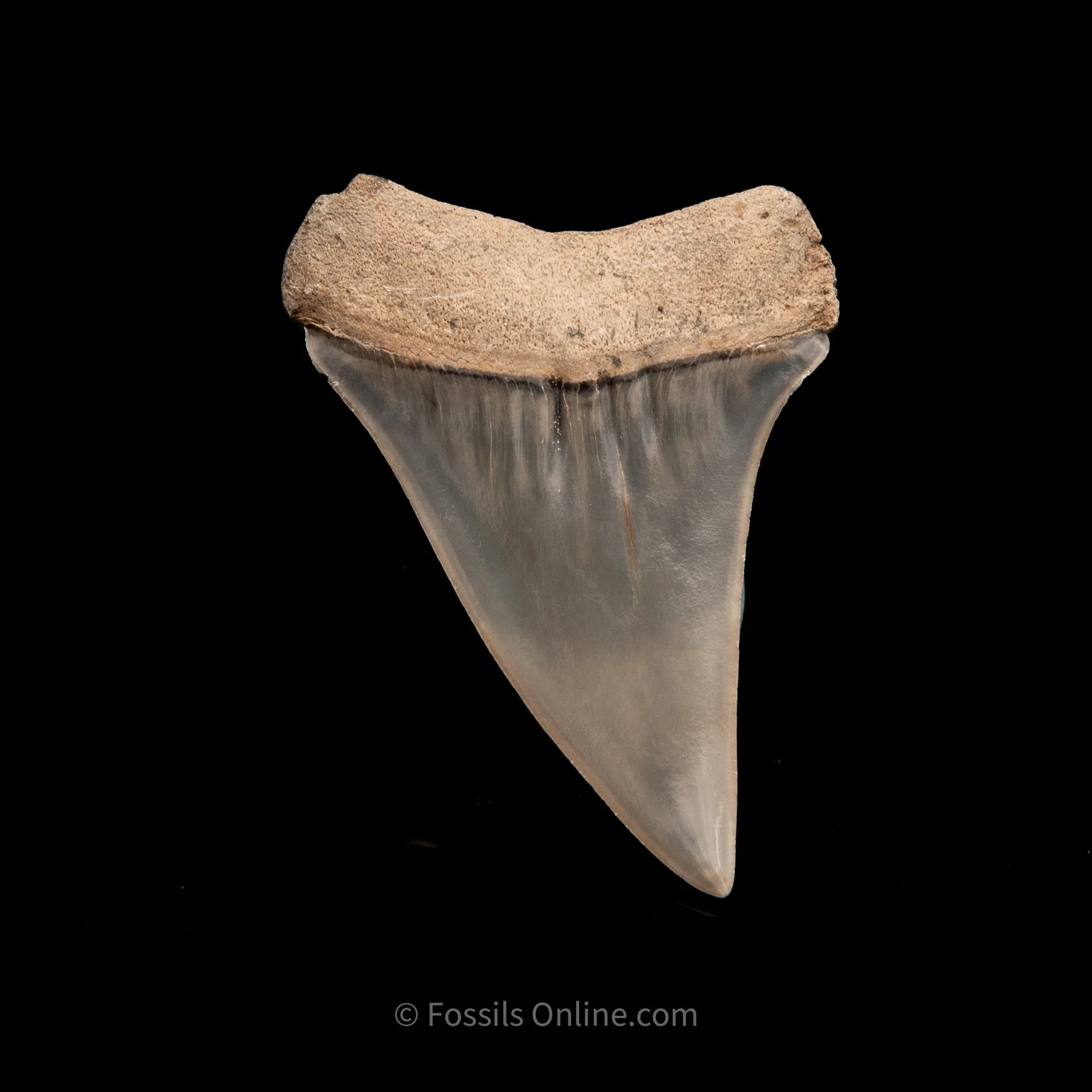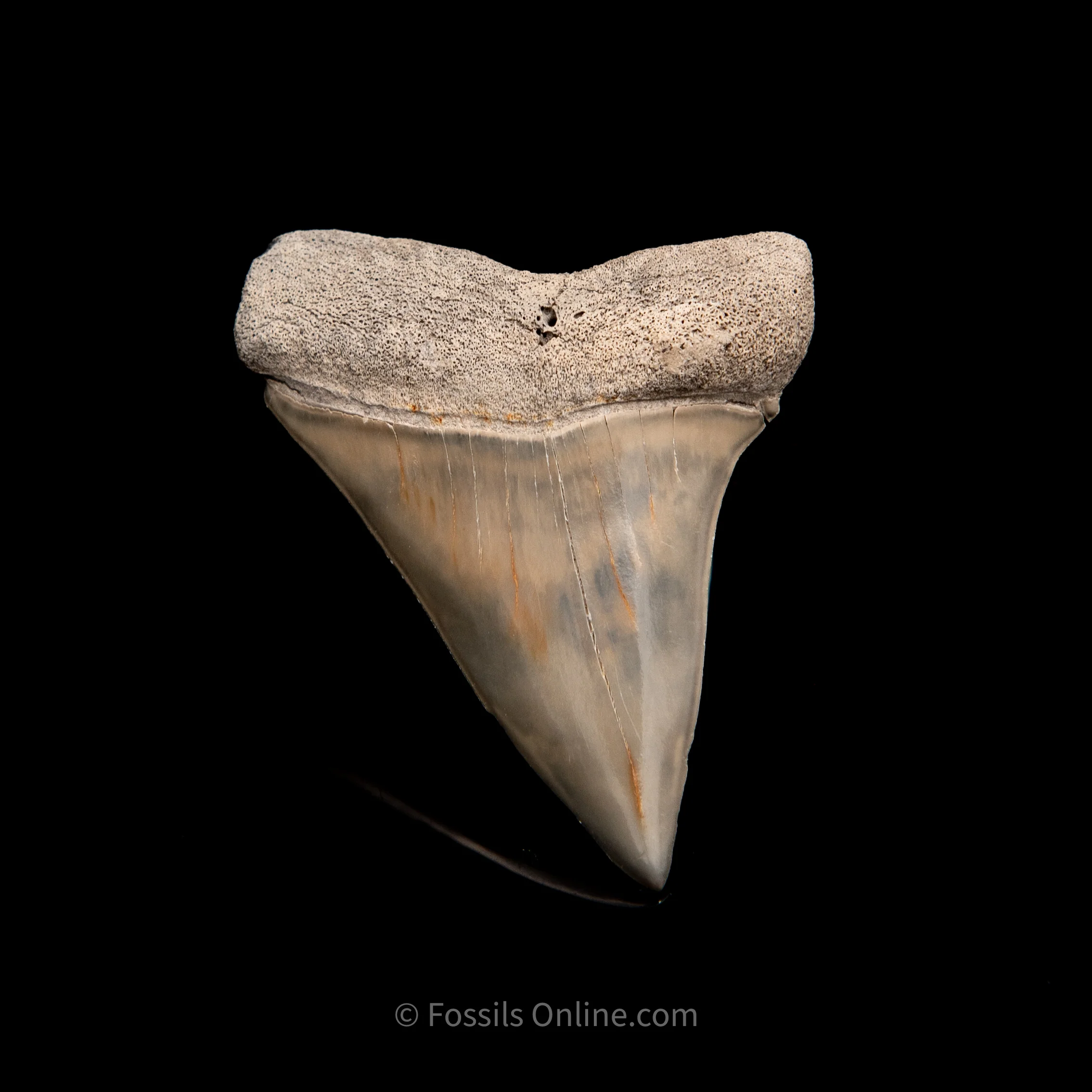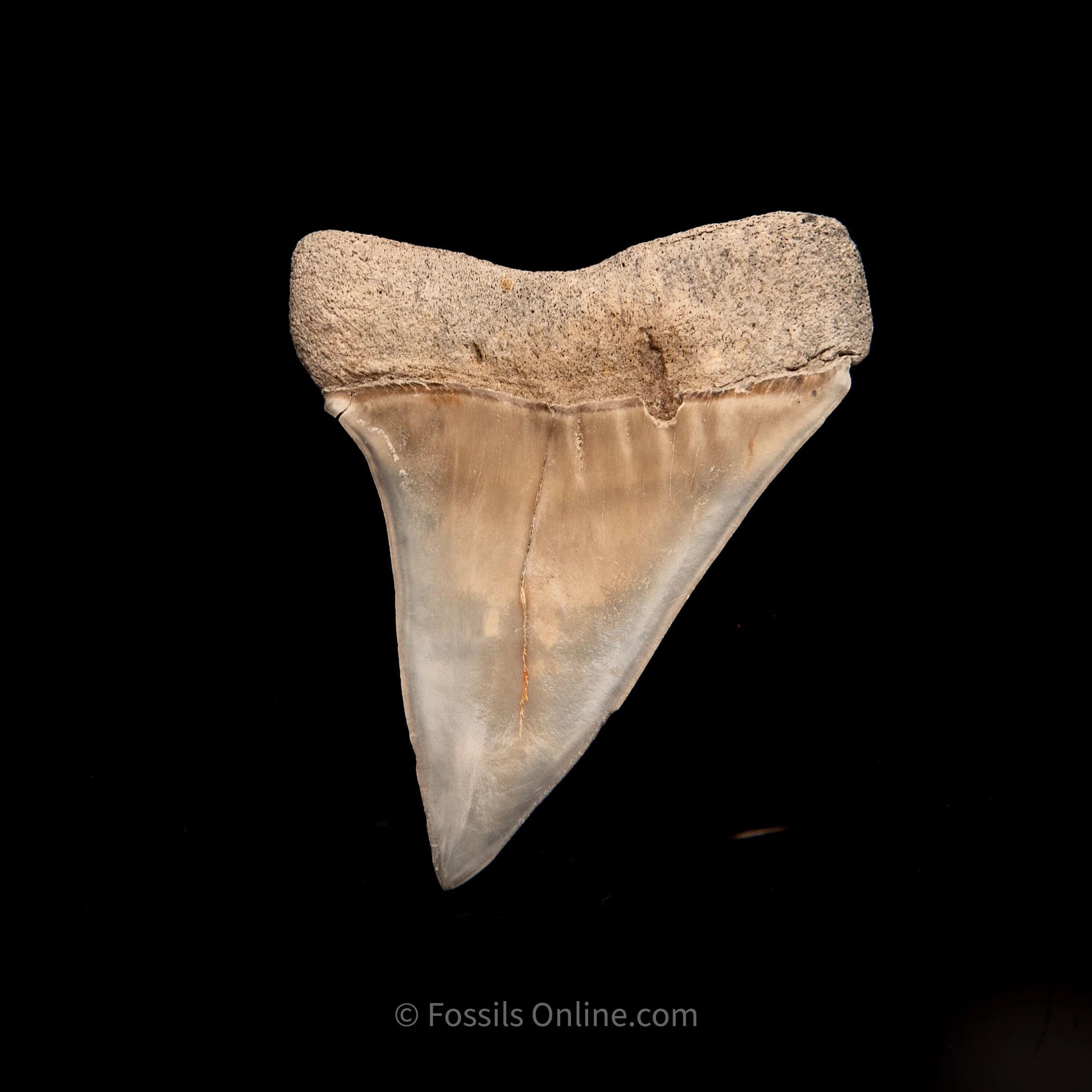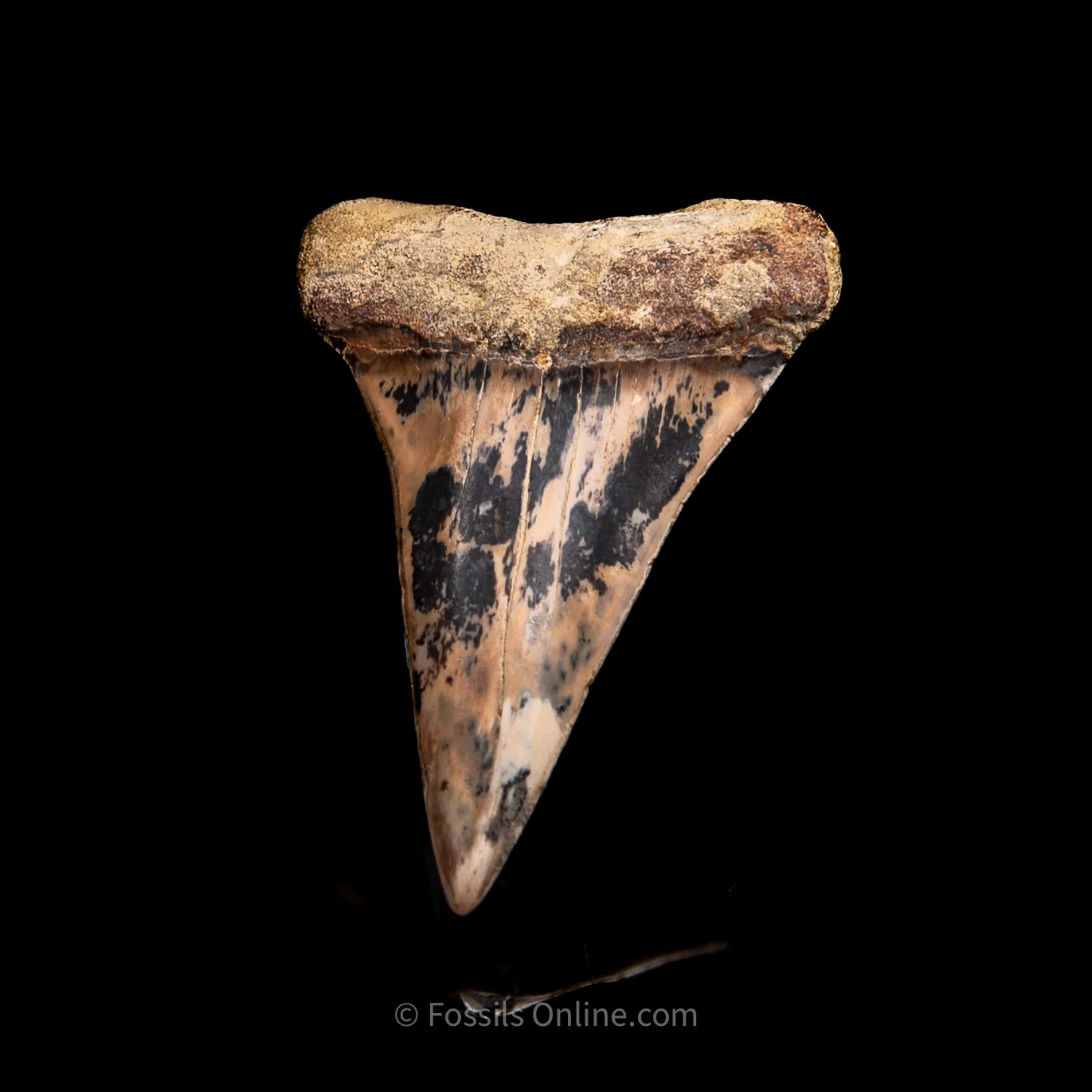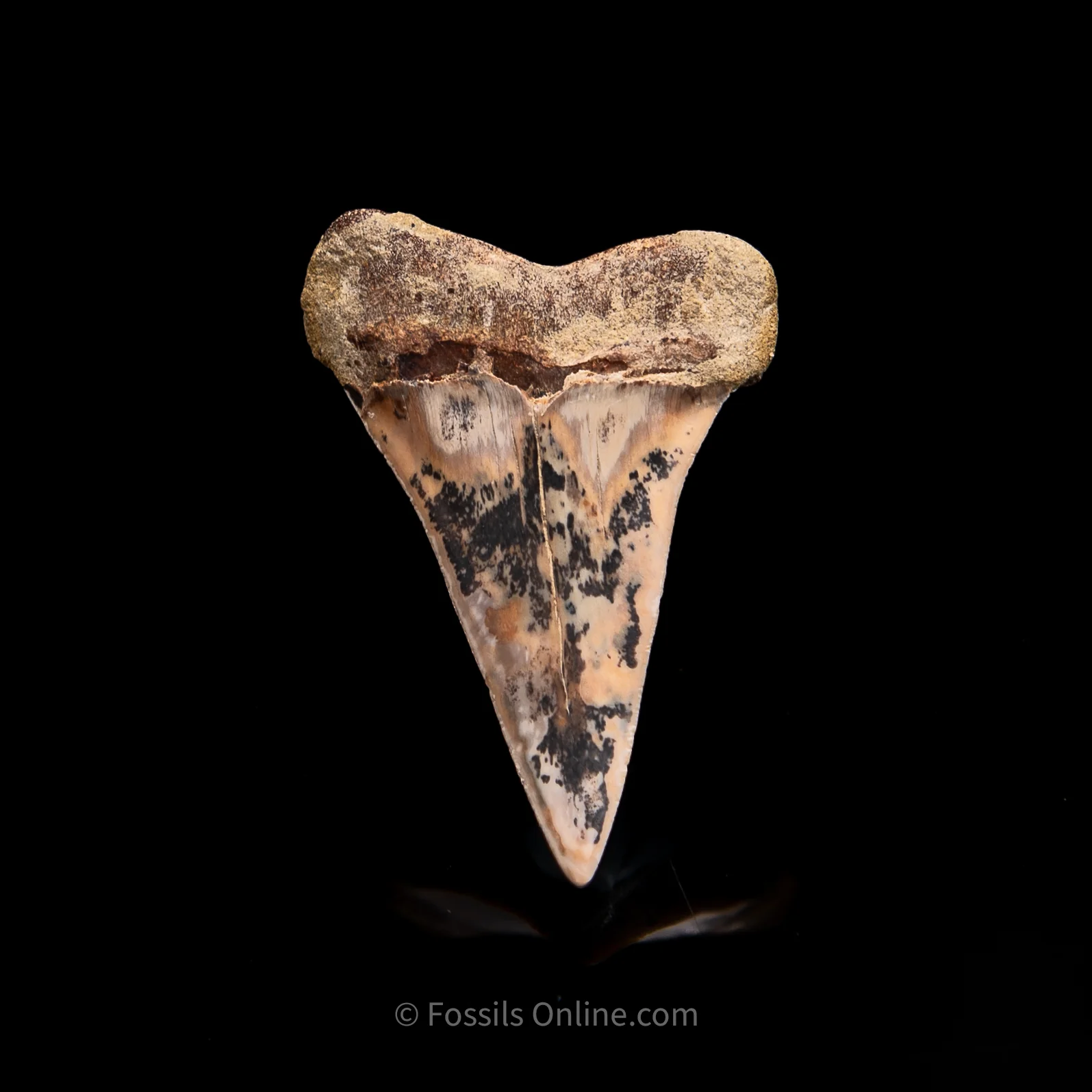
Stunning Chilean Mako 2.42"
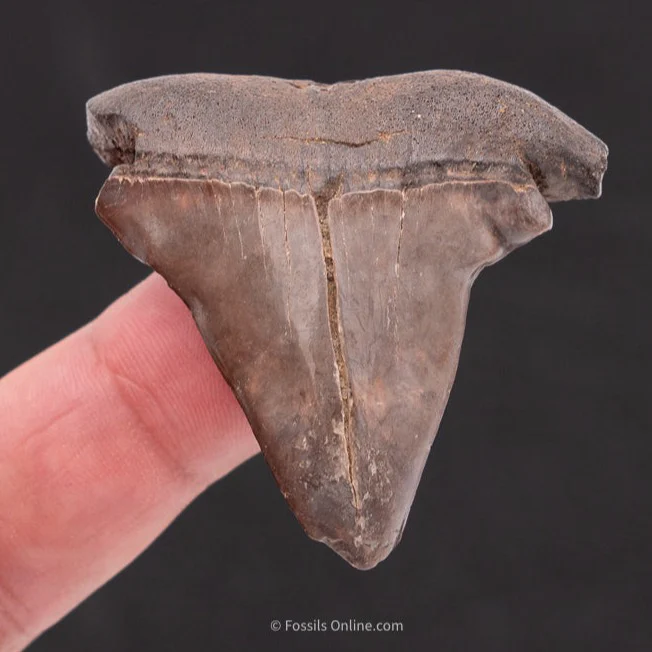
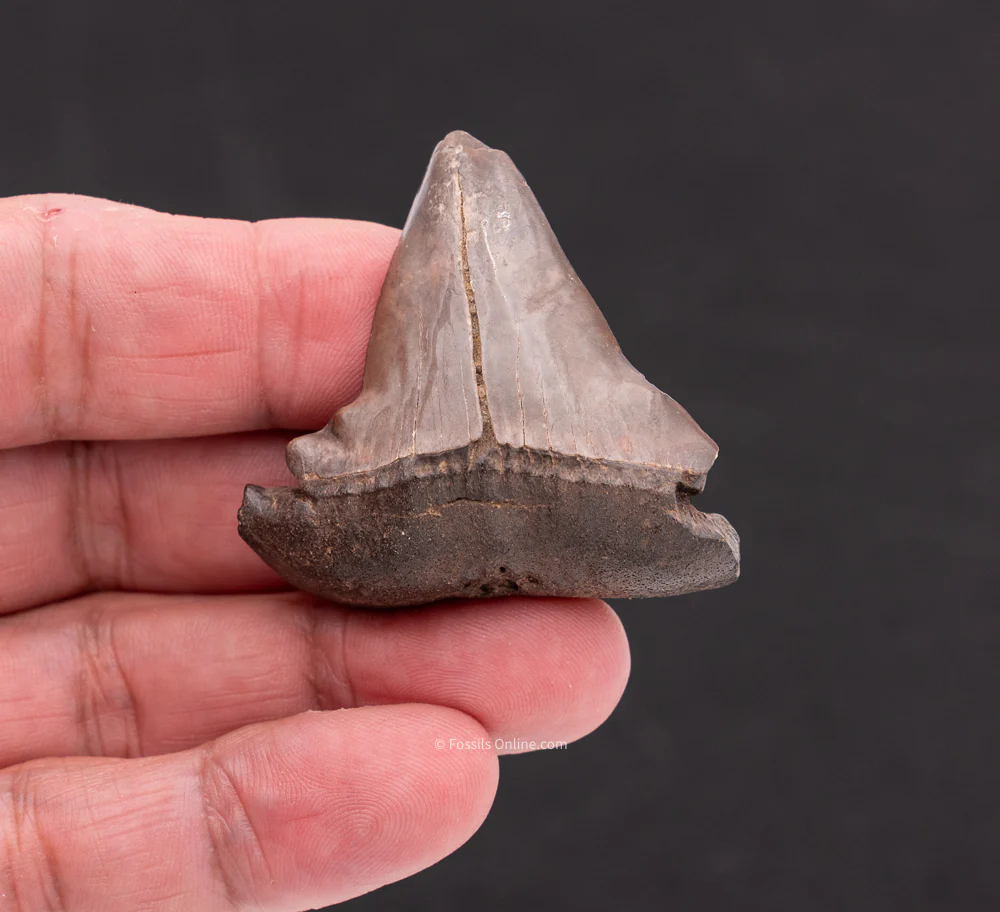
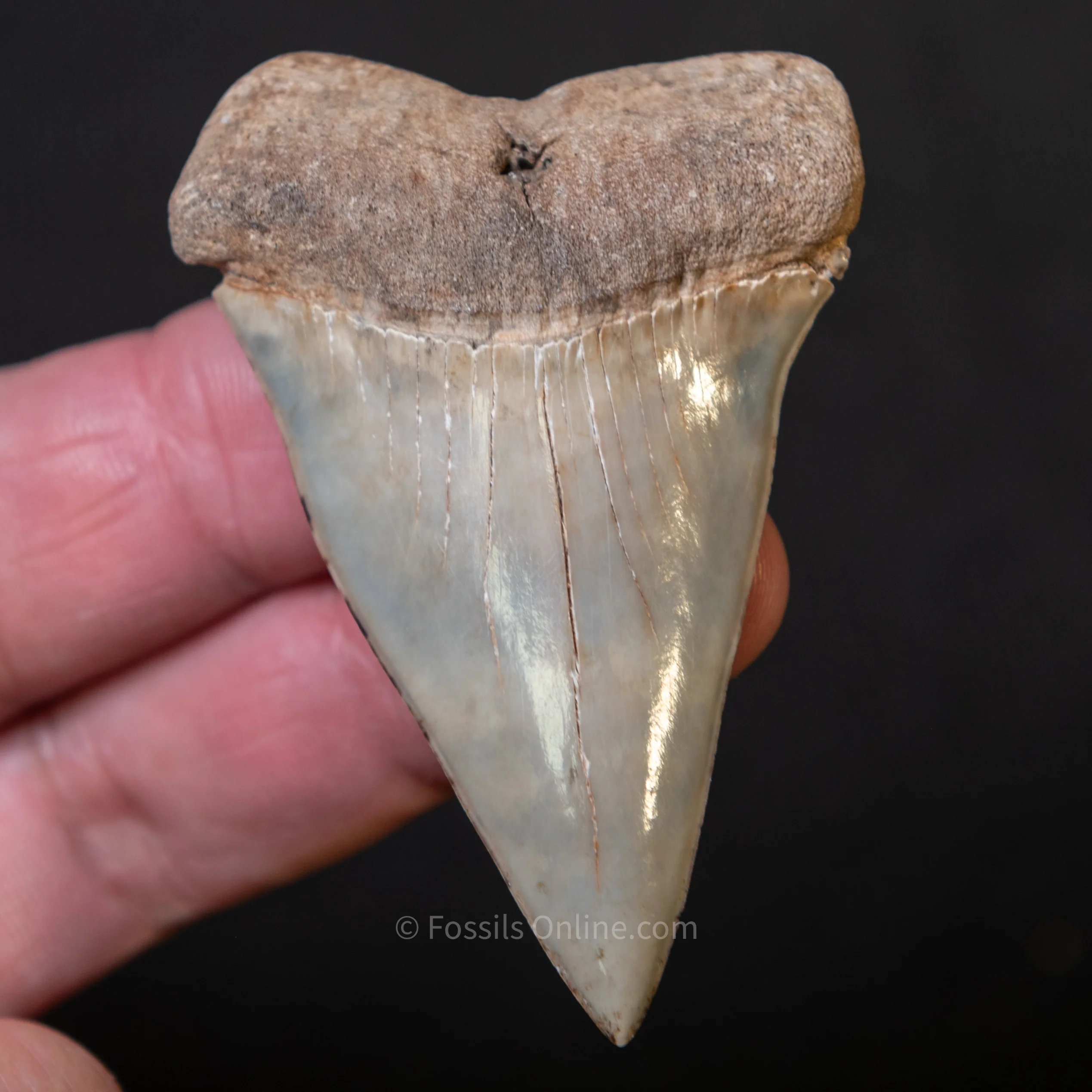
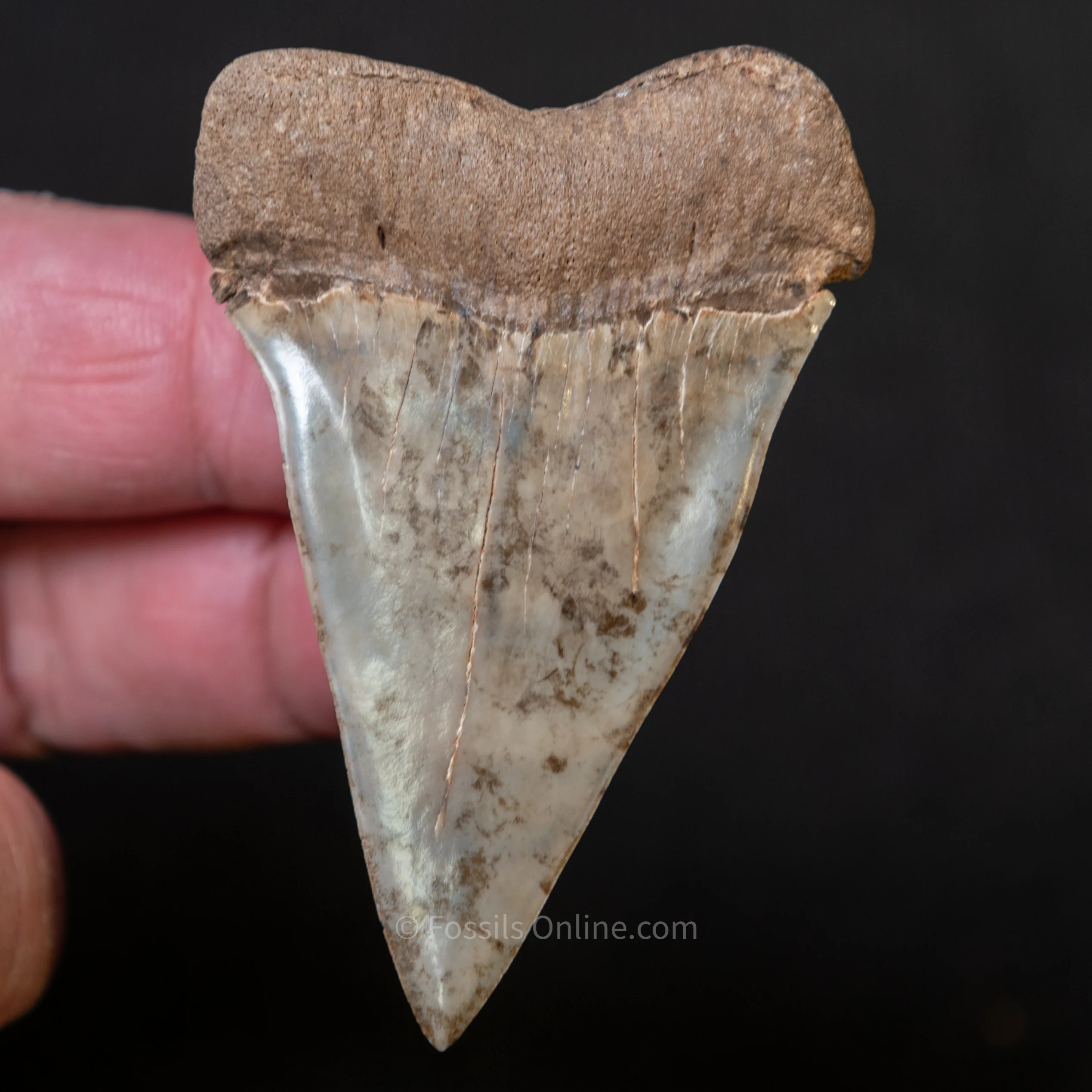
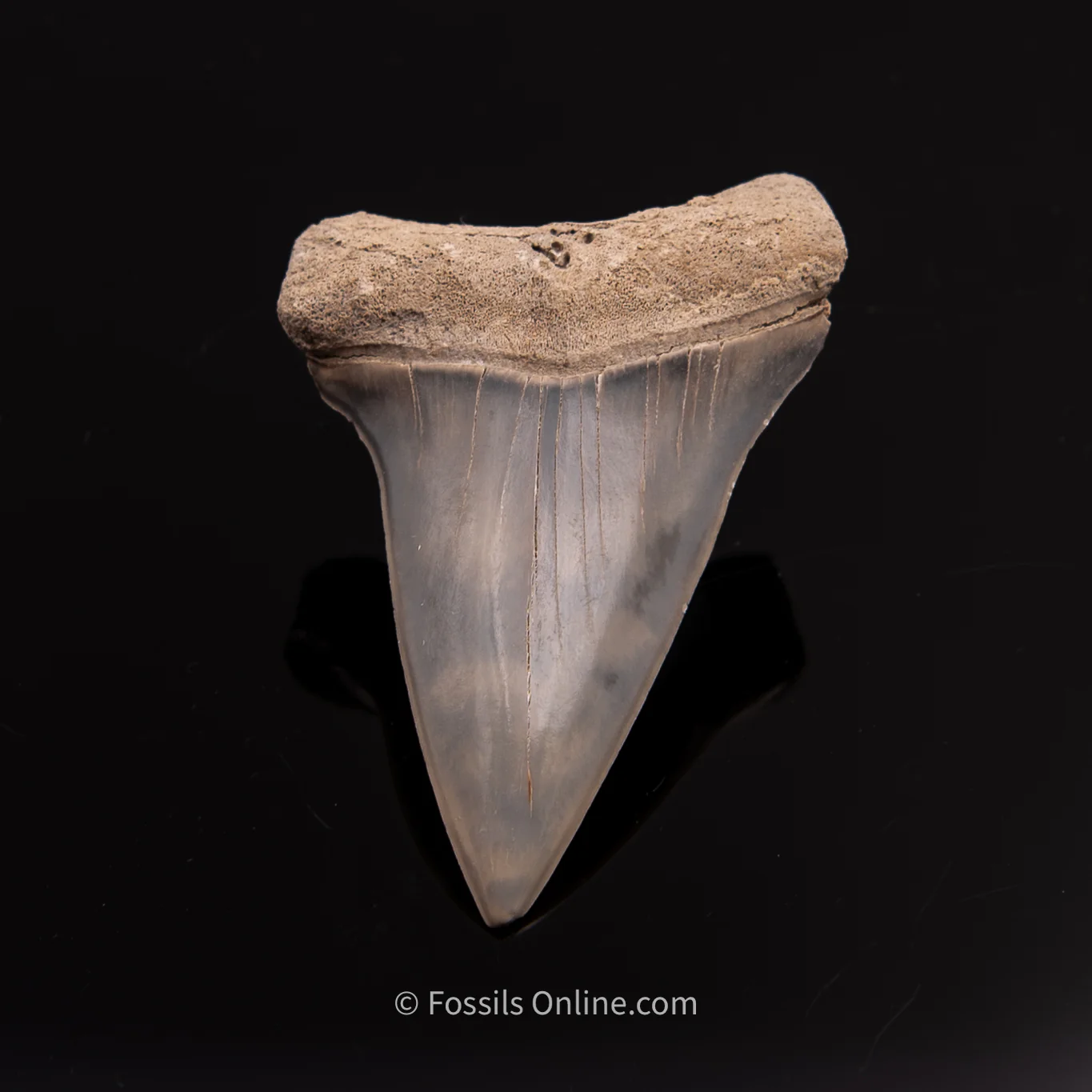
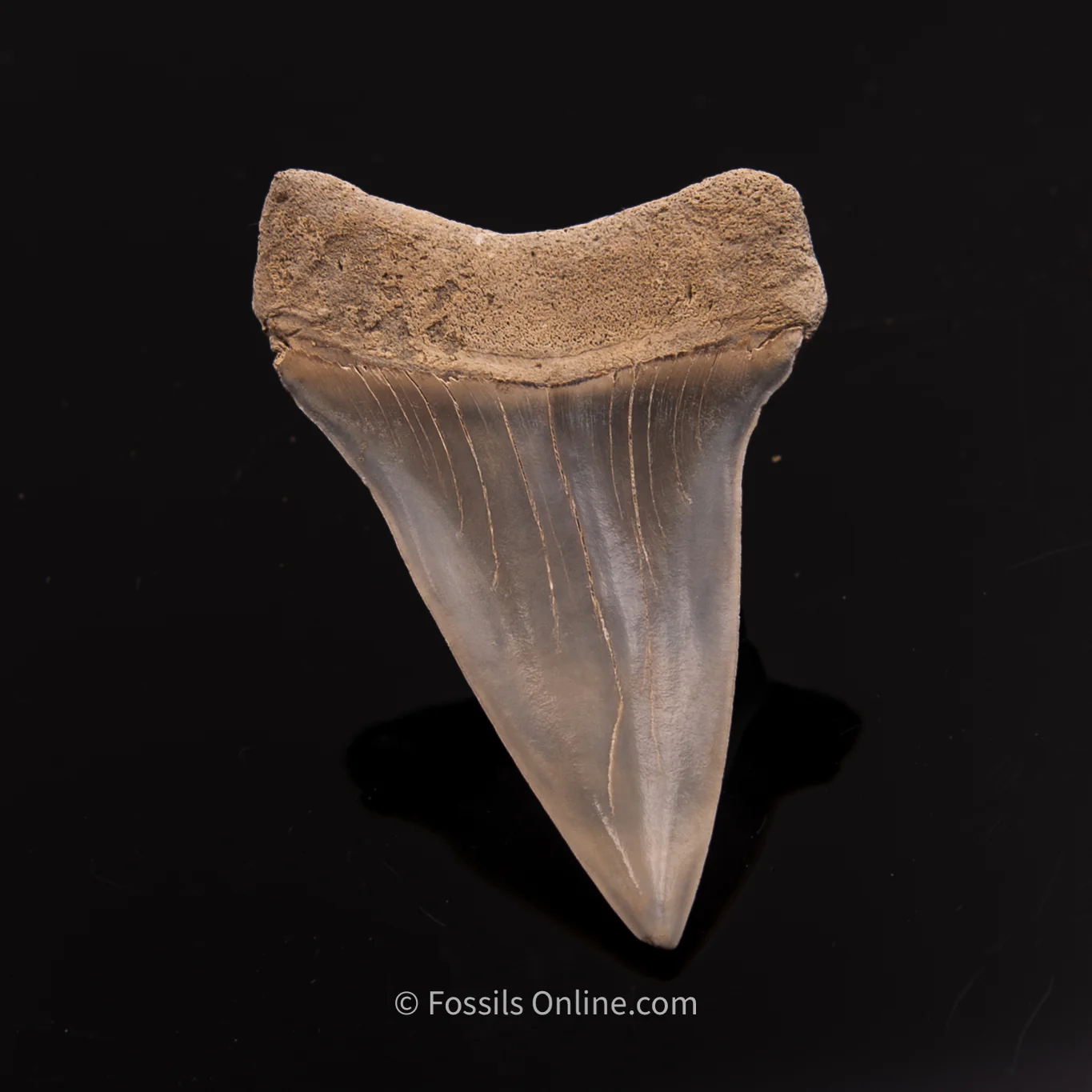
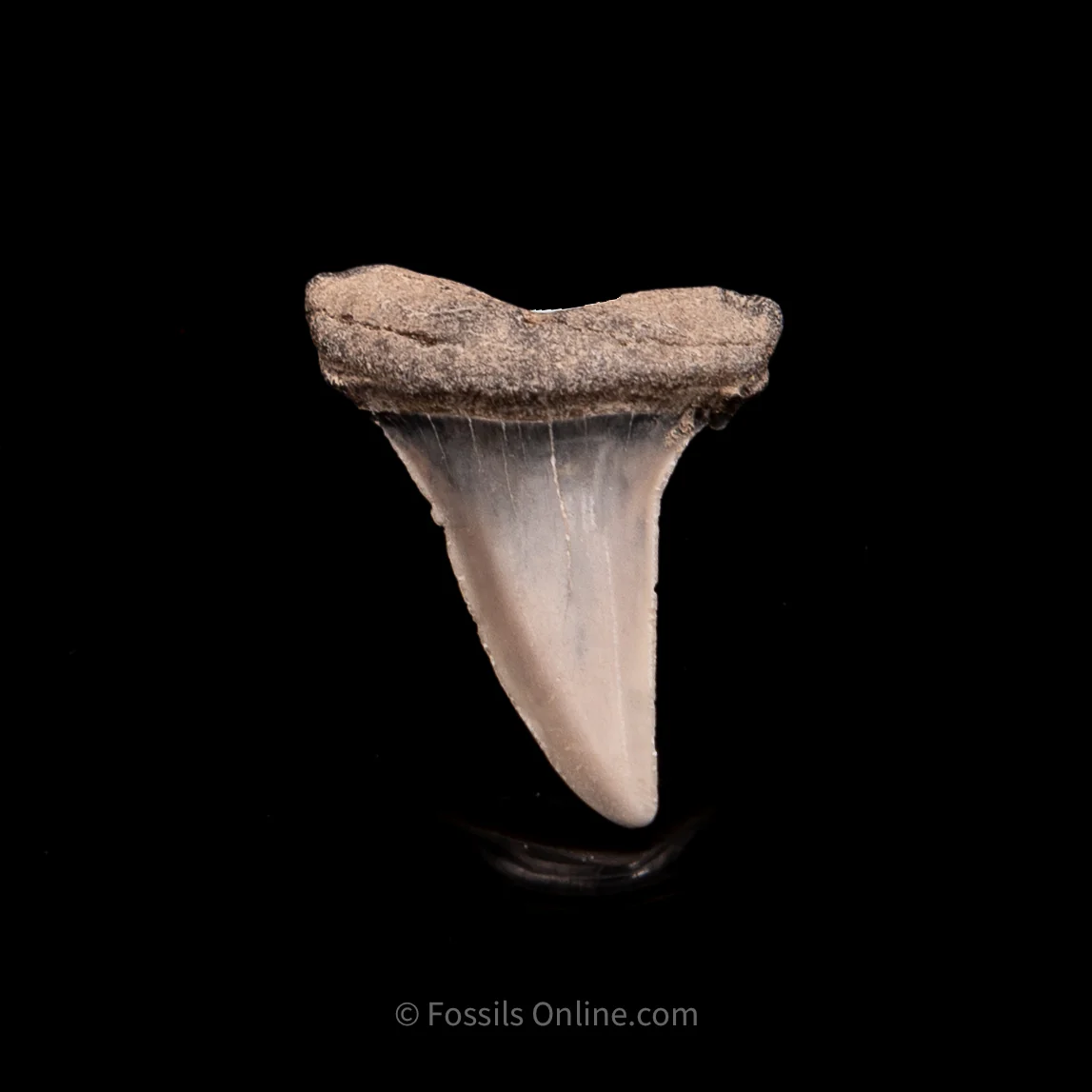
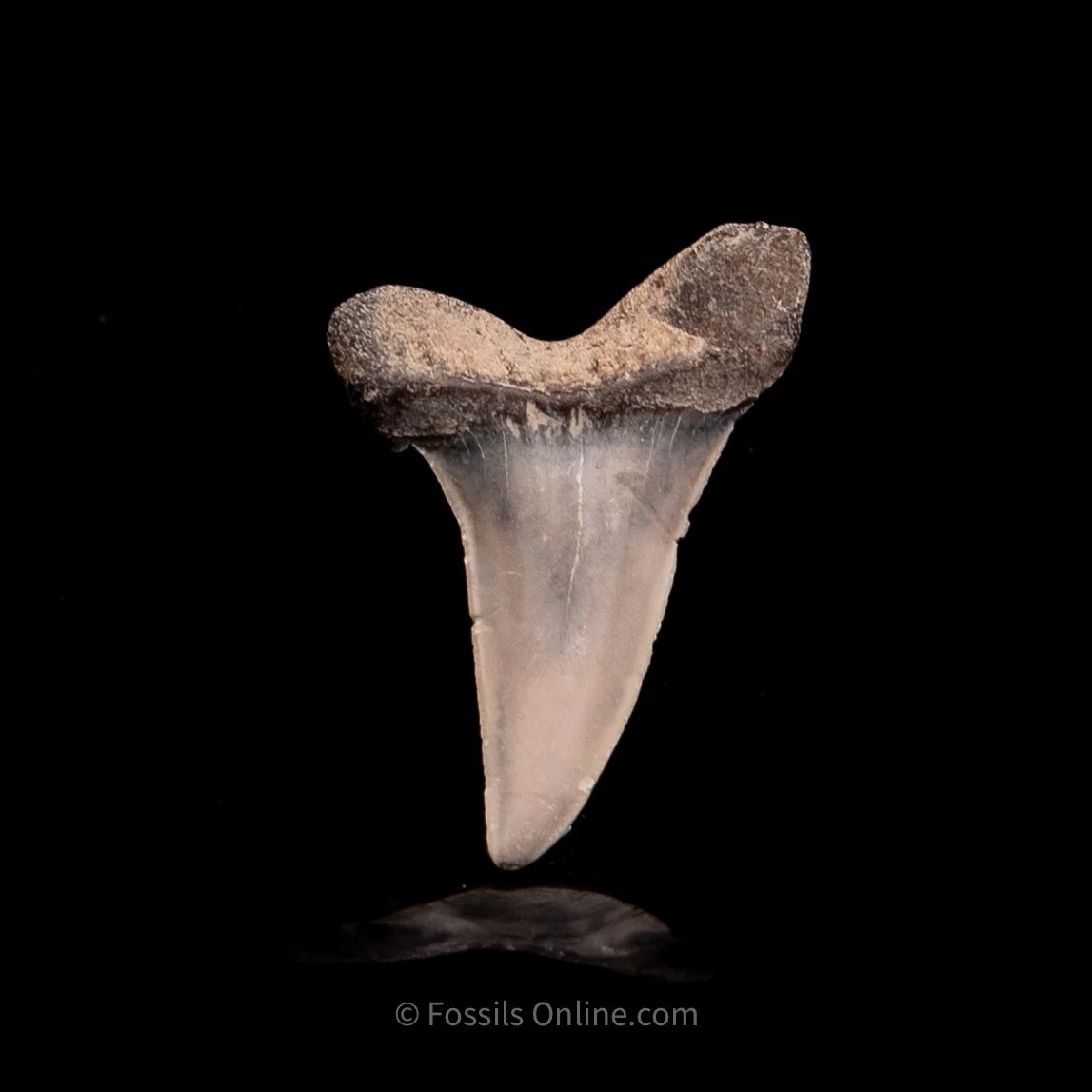
Chilean teeth are rare and sought after, due to the fact they cannot be collected anymore. This Carcharodon hastalis (extinct Mako) is absolutely stunning. Beautiful glossy enamel, with sharp edges and a solid root. It has stunning coloring that sets it apart from other teeth. It also phosphoresces under UV light due to high concentrations of phosphatic minerals and trace elements, which absorb UV energy and re-release it as visible light.
No repair or restoration.
Carcharodon hastalis
Carcharodon hastalis is an extinct species of large predatory shark that lived from the Miocene into the early Pliocene, roughly 20 to 3 million years ago. It’s often referred to as the “broad-tooth mako,” though many researchers place it within the lineage leading toward the modern great white shark. It represents a transitional form between earlier mako-like sharks and later apex predators, combining speed-oriented features with larger body size and more robust teeth.
Diet and habitat
Carcharodon hastalis lived in warm to temperate oceans worldwide, with fossils found across North America, South America, Europe, and other regions. Its diet likely included large fish, smaller sharks, and early marine mammals. The tooth design suggests a slicing feeding style, allowing it to cut cleanly through flesh rather than crush or saw through it.
Tooth morphology compared to other sharks
Carcharodon hastalis teeth are known for their clean, streamlined appearance. They have broad, triangular crowns and completely smooth cutting edges with no serrations. The enamel is thick and durable, often preserving sharp outlines even after millions of years. Compared to other sharks, its teeth are very different. Modern makos such as Isurus oxyrinchus have narrower, more pointed teeth designed for gripping fast-moving prey. The modern Carcharodon carcharias has serrated teeth adapted for tearing flesh, while Otodus megalodon developed massive serrated teeth built for both cutting and crushing. Carcharodon hastalis stands out as a smooth-edged cutting specialist with a simple but highly efficient design.
Evolutionary importance
Carcharodon hastalis is considered an important species in understanding shark evolution, especially in relation to the modern great white shark. Over time, related lineages show a trend toward broader teeth and the development of serrations, marking a shift toward handling larger and more resistant prey. Because of its position in this evolutionary sequence, hastalis is often studied as part of the transition toward modern apex shark forms.
Color and preservation
Teeth of Carcharodon hastalis vary in color depending on the fossil site and surrounding sediments. Common colors include gray, black, tan, and brown, with occasional blue or green hues in certain mineral-rich deposits. The smooth enamel often preserves well, giving these teeth a clean, sharp appearance even after millions of years of fossilization.
Product Information
Product Information
Shipping & Returns
Shipping & Returns
Stunning Chilean Mako 2.42"
Stunning Chilean Mako 2.42"
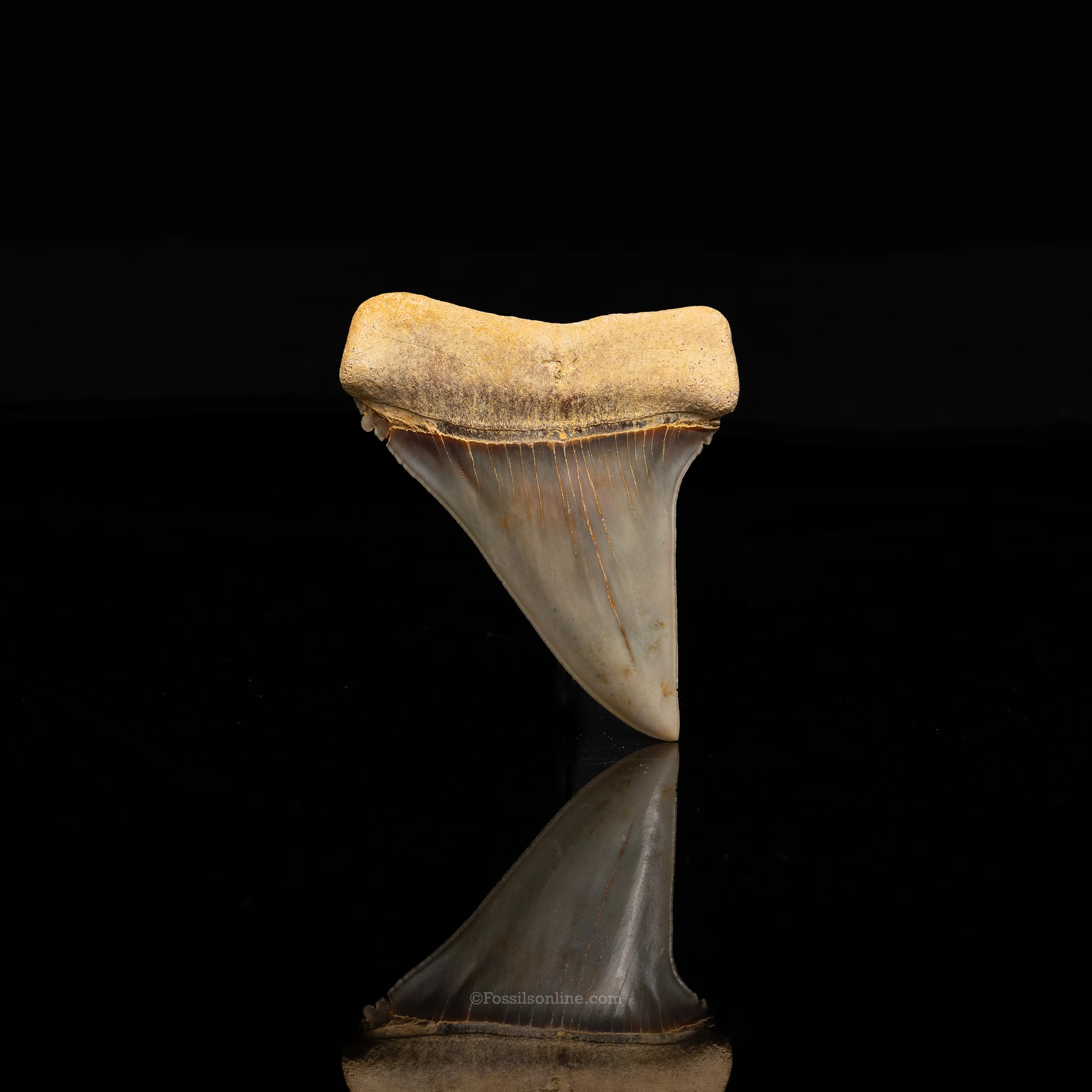
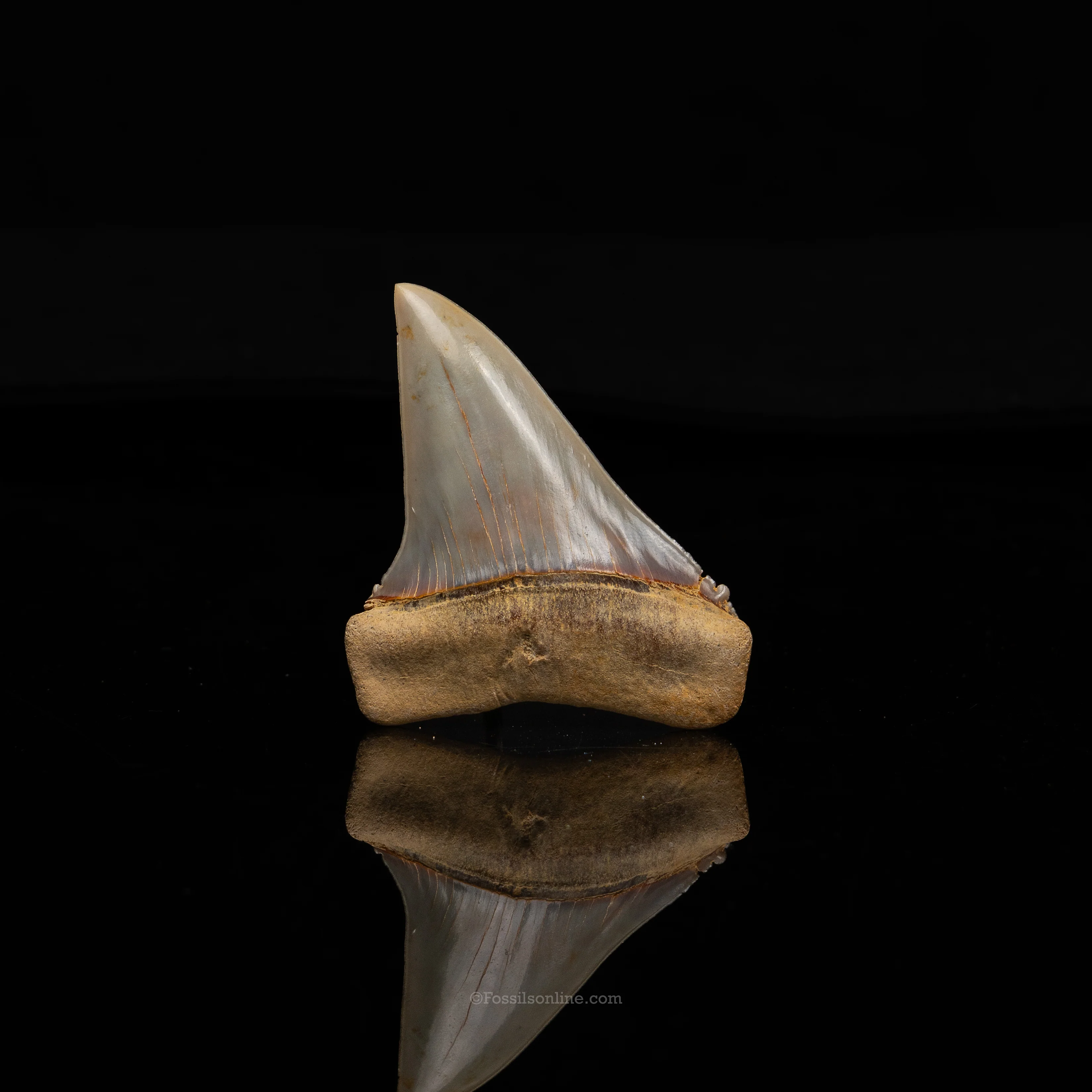
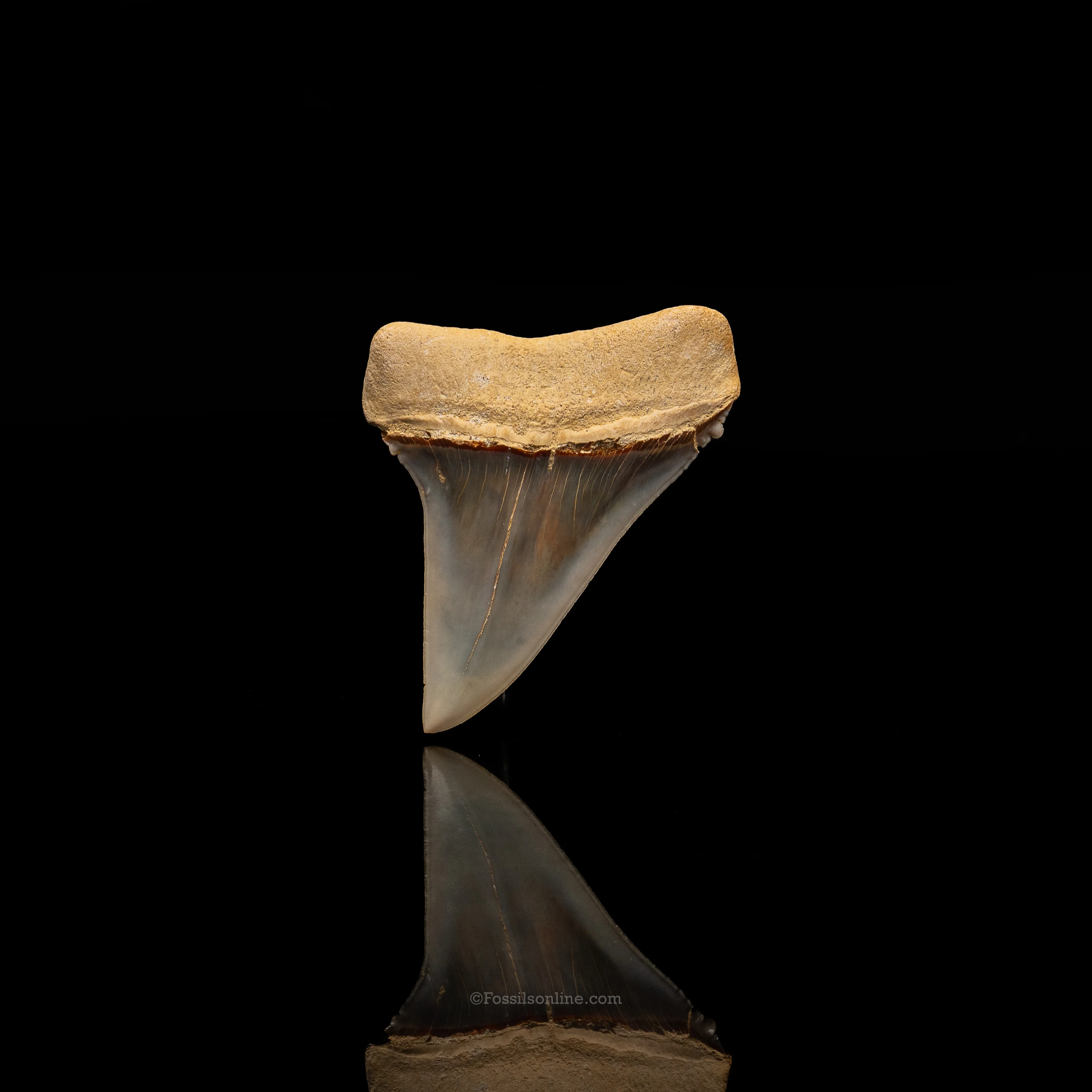
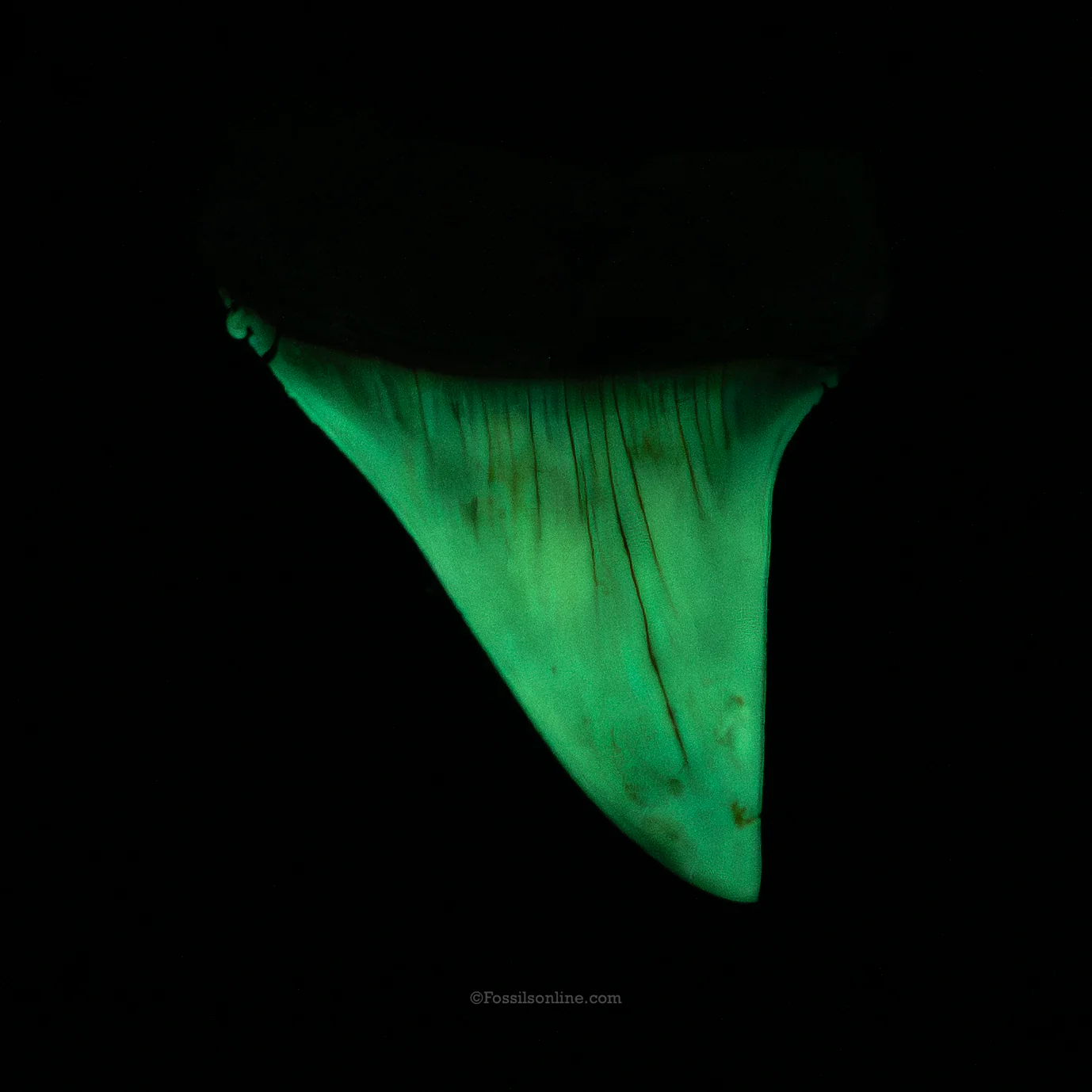
Chilean teeth are rare and sought after, due to the fact they cannot be collected anymore. This Carcharodon hastalis (extinct Mako) is absolutely stunning. Beautiful glossy enamel, with sharp edges and a solid root. It has stunning coloring that sets it apart from other teeth. It also phosphoresces under UV light due to high concentrations of phosphatic minerals and trace elements, which absorb UV energy and re-release it as visible light.
No repair or restoration.
Carcharodon hastalis
Carcharodon hastalis is an extinct species of large predatory shark that lived from the Miocene into the early Pliocene, roughly 20 to 3 million years ago. It’s often referred to as the “broad-tooth mako,” though many researchers place it within the lineage leading toward the modern great white shark. It represents a transitional form between earlier mako-like sharks and later apex predators, combining speed-oriented features with larger body size and more robust teeth.
Diet and habitat
Carcharodon hastalis lived in warm to temperate oceans worldwide, with fossils found across North America, South America, Europe, and other regions. Its diet likely included large fish, smaller sharks, and early marine mammals. The tooth design suggests a slicing feeding style, allowing it to cut cleanly through flesh rather than crush or saw through it.
Tooth morphology compared to other sharks
Carcharodon hastalis teeth are known for their clean, streamlined appearance. They have broad, triangular crowns and completely smooth cutting edges with no serrations. The enamel is thick and durable, often preserving sharp outlines even after millions of years. Compared to other sharks, its teeth are very different. Modern makos such as Isurus oxyrinchus have narrower, more pointed teeth designed for gripping fast-moving prey. The modern Carcharodon carcharias has serrated teeth adapted for tearing flesh, while Otodus megalodon developed massive serrated teeth built for both cutting and crushing. Carcharodon hastalis stands out as a smooth-edged cutting specialist with a simple but highly efficient design.
Evolutionary importance
Carcharodon hastalis is considered an important species in understanding shark evolution, especially in relation to the modern great white shark. Over time, related lineages show a trend toward broader teeth and the development of serrations, marking a shift toward handling larger and more resistant prey. Because of its position in this evolutionary sequence, hastalis is often studied as part of the transition toward modern apex shark forms.
Color and preservation
Teeth of Carcharodon hastalis vary in color depending on the fossil site and surrounding sediments. Common colors include gray, black, tan, and brown, with occasional blue or green hues in certain mineral-rich deposits. The smooth enamel often preserves well, giving these teeth a clean, sharp appearance even after millions of years of fossilization.
Original: $249.00
-65%$249.00
$87.15Product Information
Product Information
Shipping & Returns
Shipping & Returns
Description
Chilean teeth are rare and sought after, due to the fact they cannot be collected anymore. This Carcharodon hastalis (extinct Mako) is absolutely stunning. Beautiful glossy enamel, with sharp edges and a solid root. It has stunning coloring that sets it apart from other teeth. It also phosphoresces under UV light due to high concentrations of phosphatic minerals and trace elements, which absorb UV energy and re-release it as visible light.
No repair or restoration.
Carcharodon hastalis
Carcharodon hastalis is an extinct species of large predatory shark that lived from the Miocene into the early Pliocene, roughly 20 to 3 million years ago. It’s often referred to as the “broad-tooth mako,” though many researchers place it within the lineage leading toward the modern great white shark. It represents a transitional form between earlier mako-like sharks and later apex predators, combining speed-oriented features with larger body size and more robust teeth.
Diet and habitat
Carcharodon hastalis lived in warm to temperate oceans worldwide, with fossils found across North America, South America, Europe, and other regions. Its diet likely included large fish, smaller sharks, and early marine mammals. The tooth design suggests a slicing feeding style, allowing it to cut cleanly through flesh rather than crush or saw through it.
Tooth morphology compared to other sharks
Carcharodon hastalis teeth are known for their clean, streamlined appearance. They have broad, triangular crowns and completely smooth cutting edges with no serrations. The enamel is thick and durable, often preserving sharp outlines even after millions of years. Compared to other sharks, its teeth are very different. Modern makos such as Isurus oxyrinchus have narrower, more pointed teeth designed for gripping fast-moving prey. The modern Carcharodon carcharias has serrated teeth adapted for tearing flesh, while Otodus megalodon developed massive serrated teeth built for both cutting and crushing. Carcharodon hastalis stands out as a smooth-edged cutting specialist with a simple but highly efficient design.
Evolutionary importance
Carcharodon hastalis is considered an important species in understanding shark evolution, especially in relation to the modern great white shark. Over time, related lineages show a trend toward broader teeth and the development of serrations, marking a shift toward handling larger and more resistant prey. Because of its position in this evolutionary sequence, hastalis is often studied as part of the transition toward modern apex shark forms.
Color and preservation
Teeth of Carcharodon hastalis vary in color depending on the fossil site and surrounding sediments. Common colors include gray, black, tan, and brown, with occasional blue or green hues in certain mineral-rich deposits. The smooth enamel often preserves well, giving these teeth a clean, sharp appearance even after millions of years of fossilization.