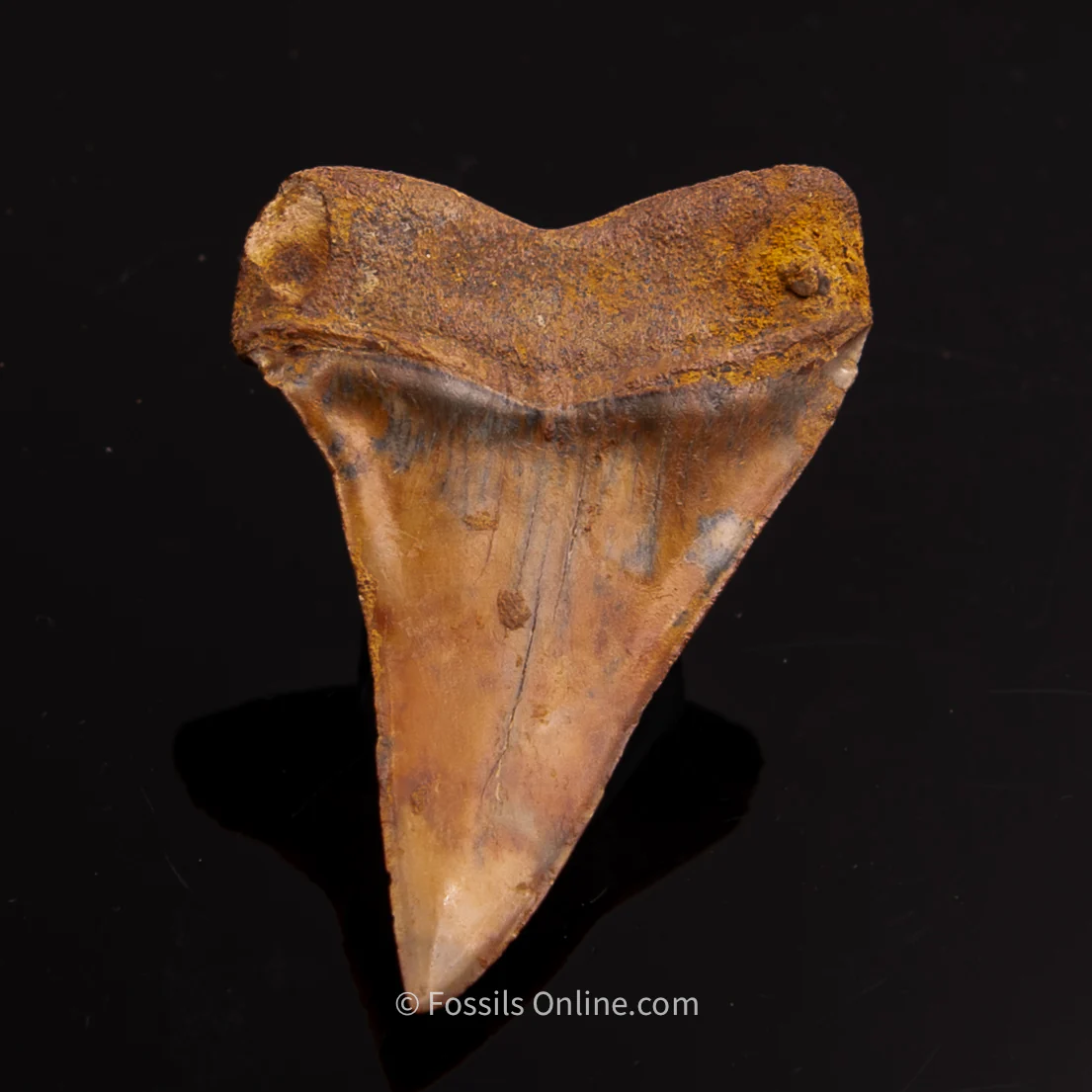
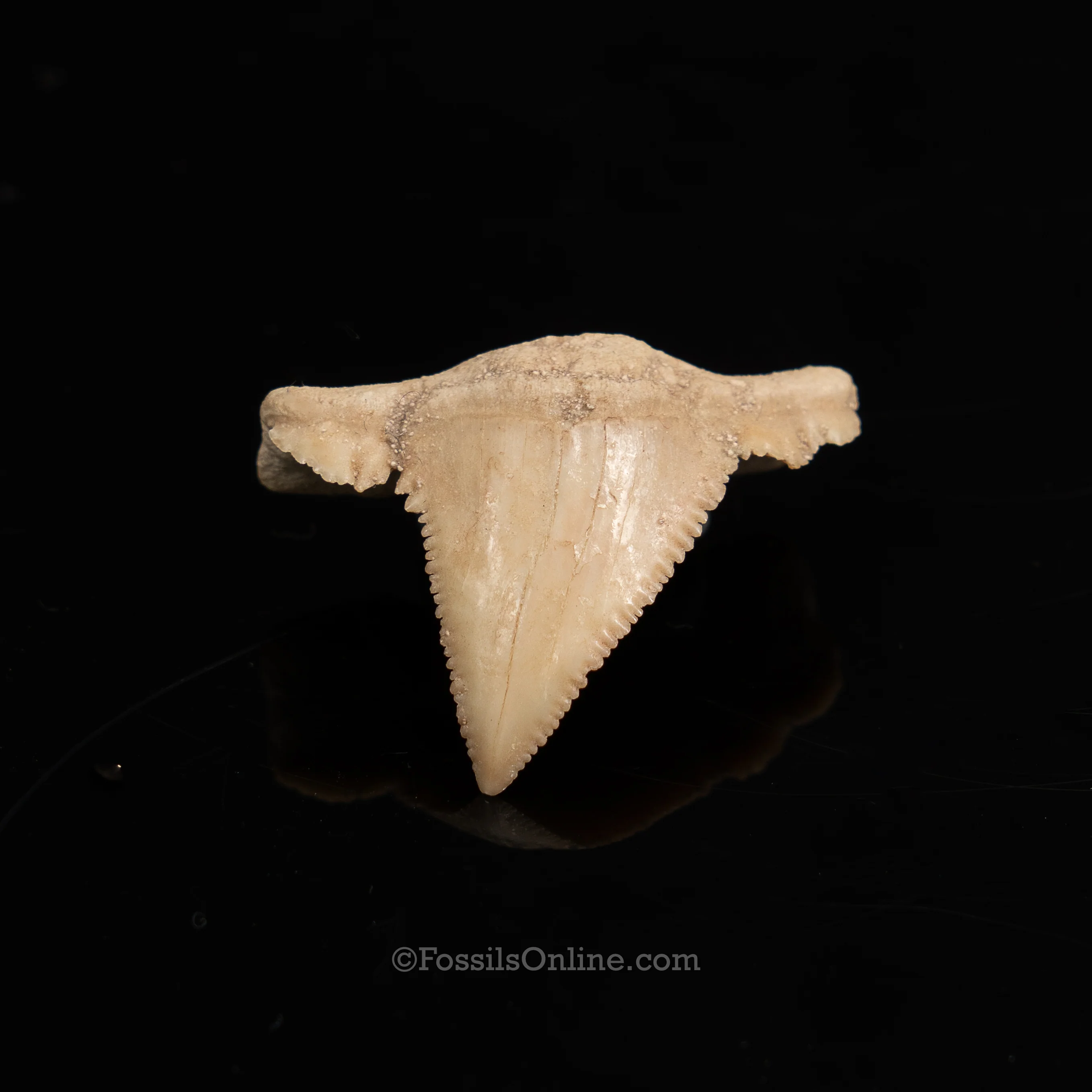
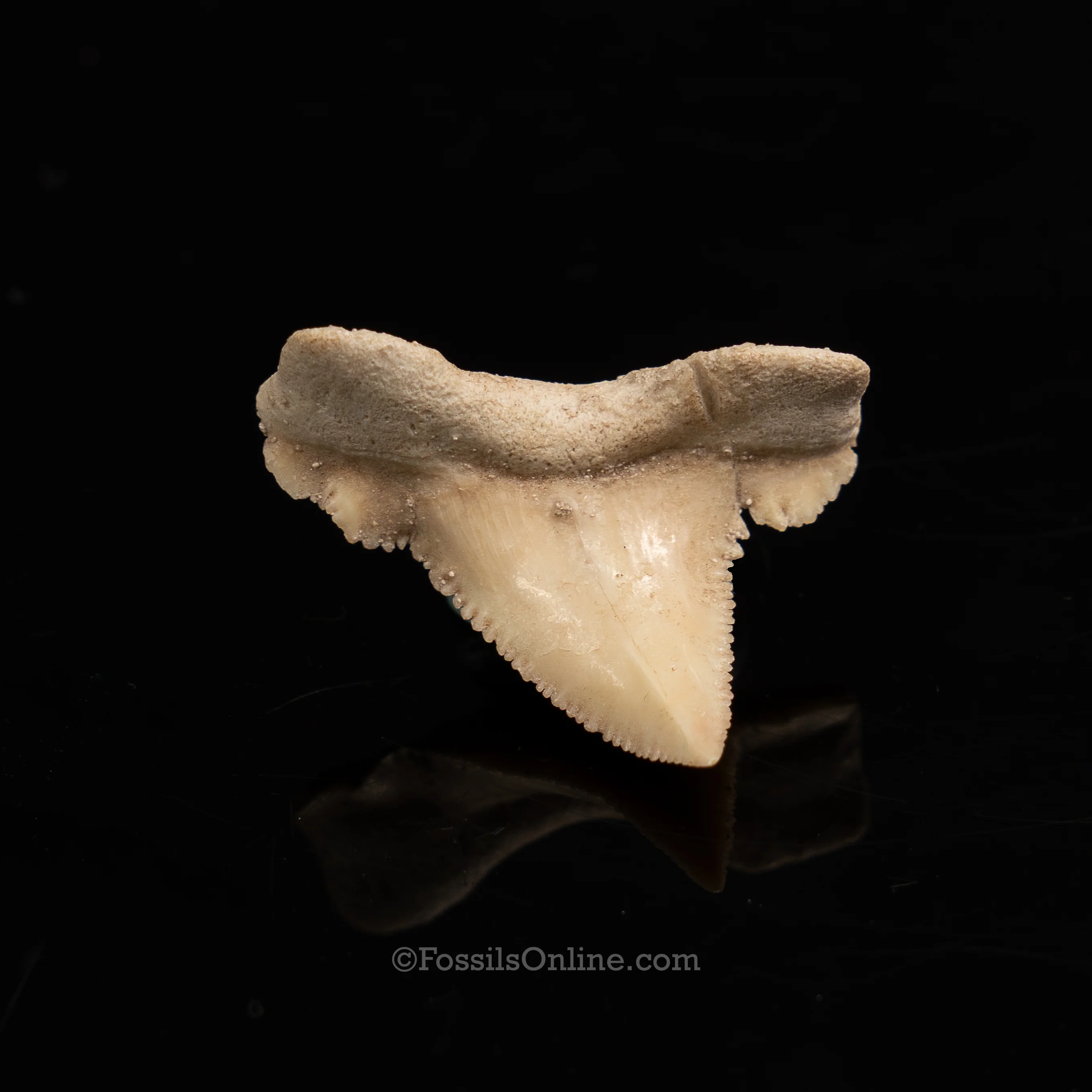
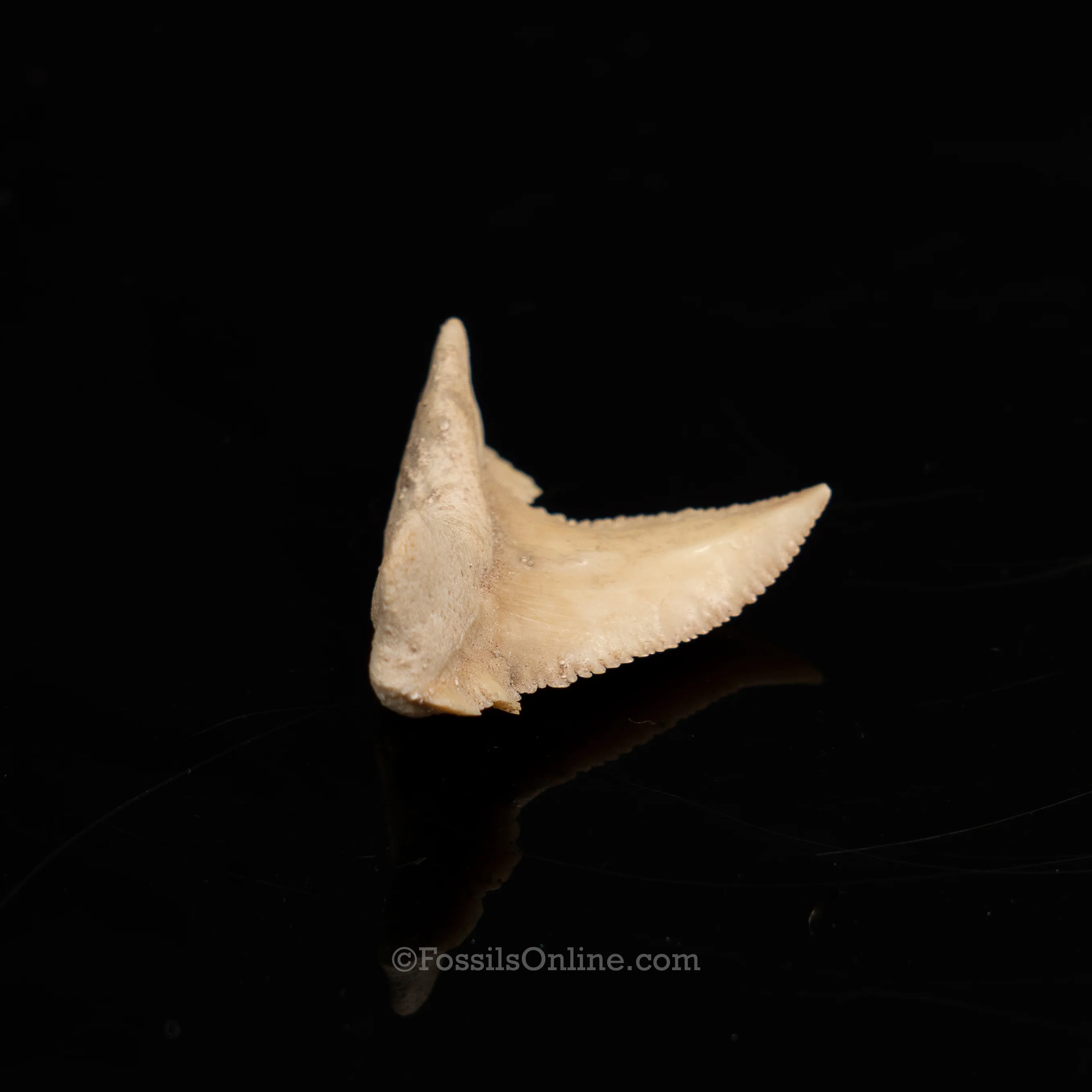
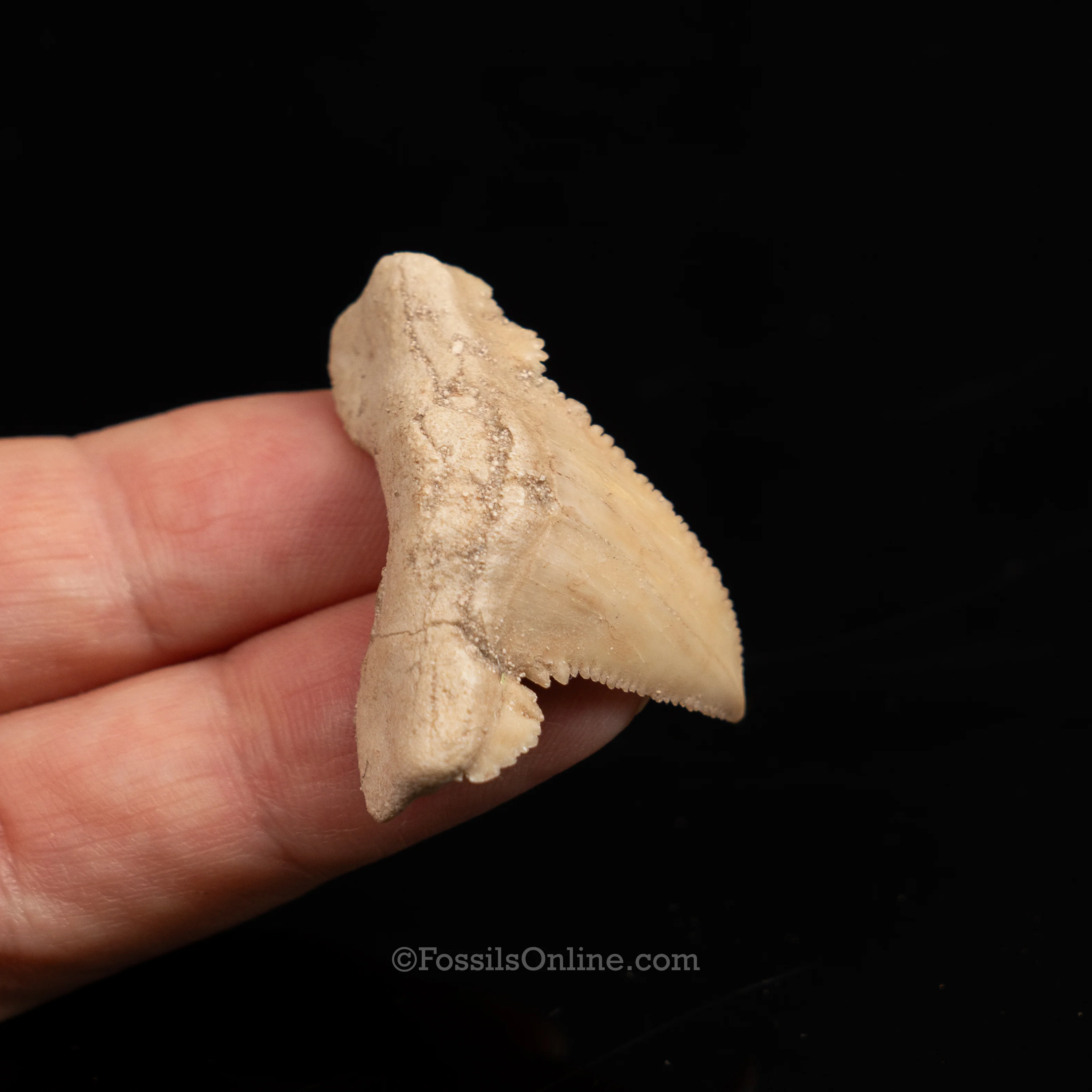
Pathological Palaeocarcharodon Orientalis 1.42"
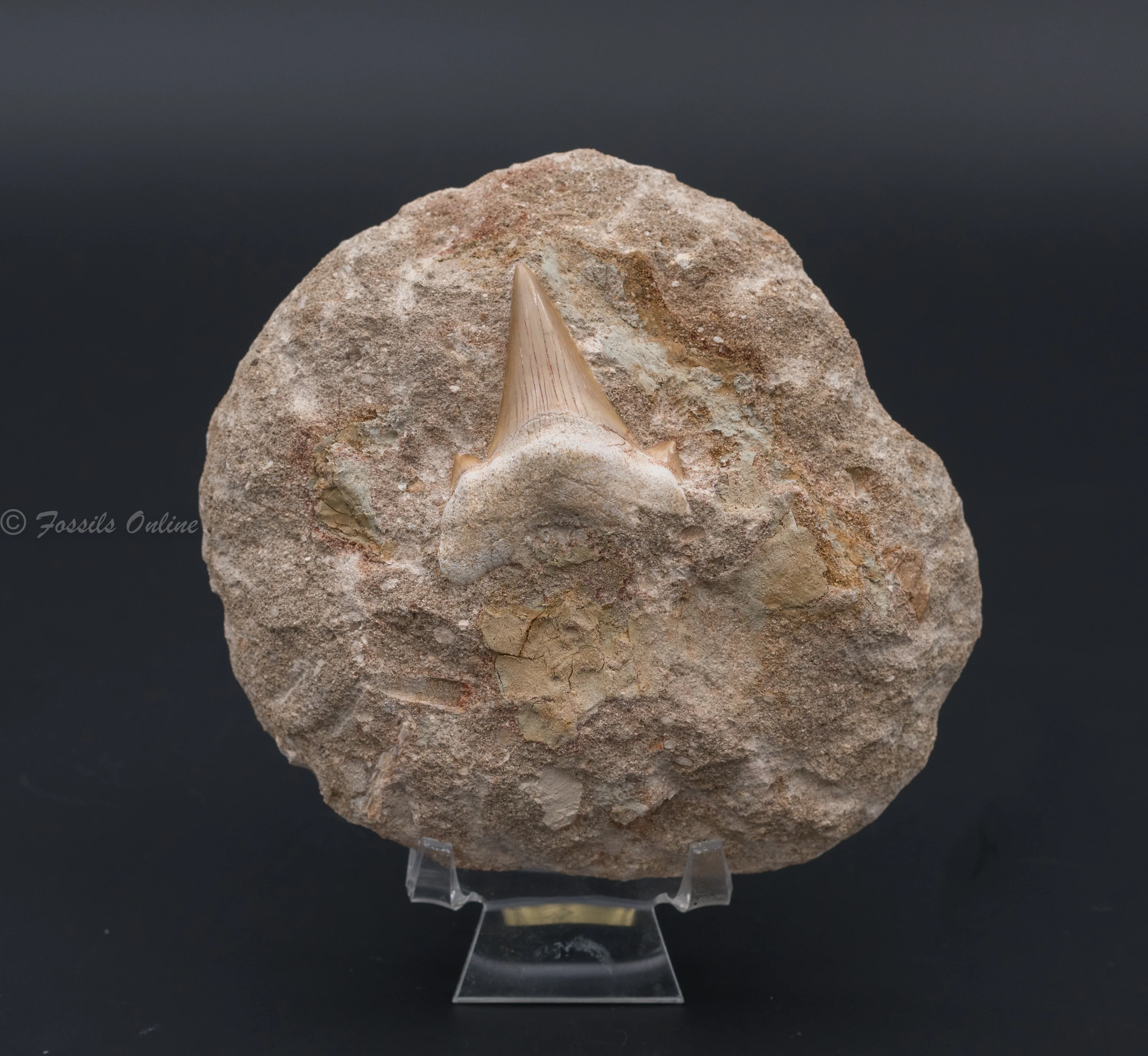
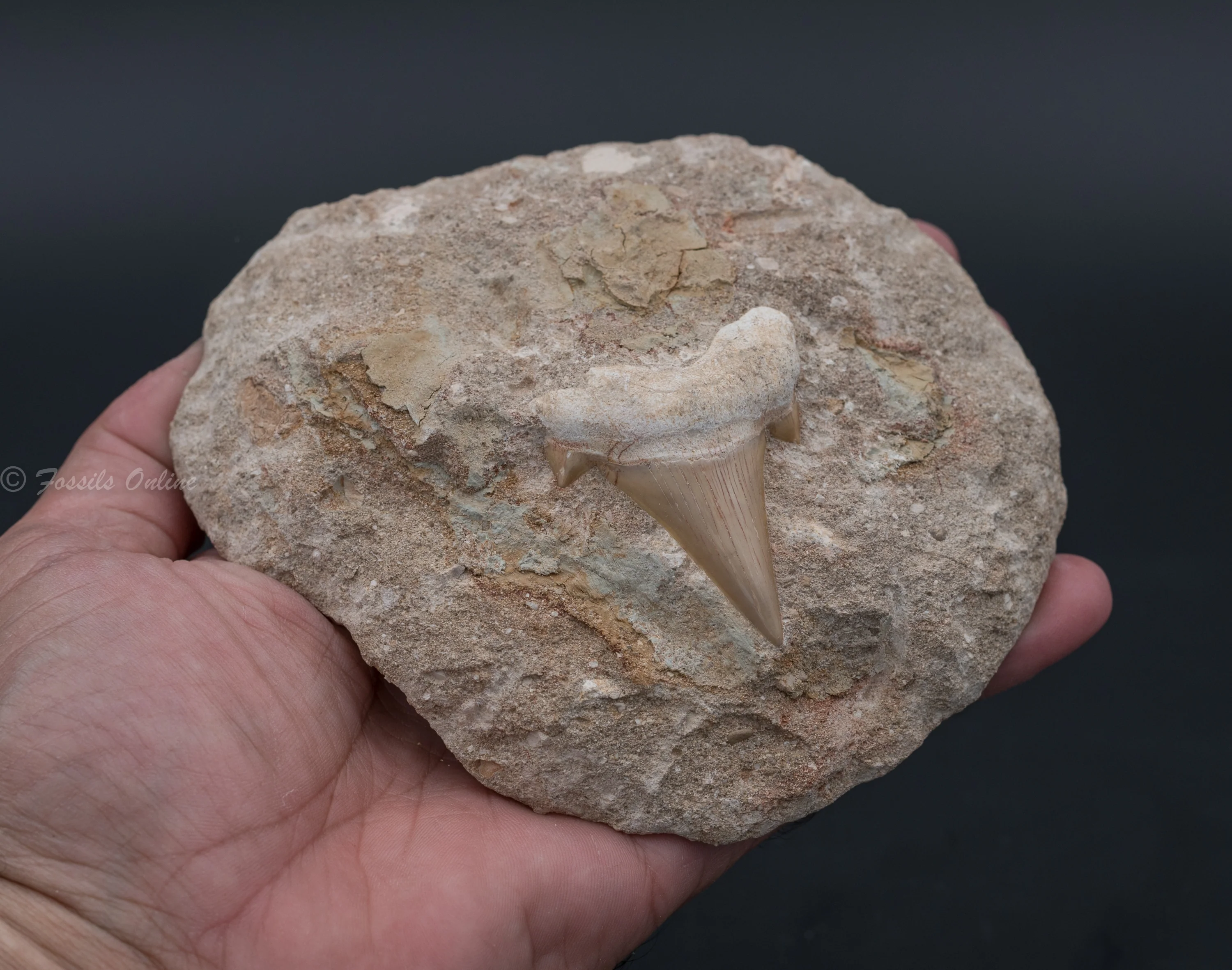
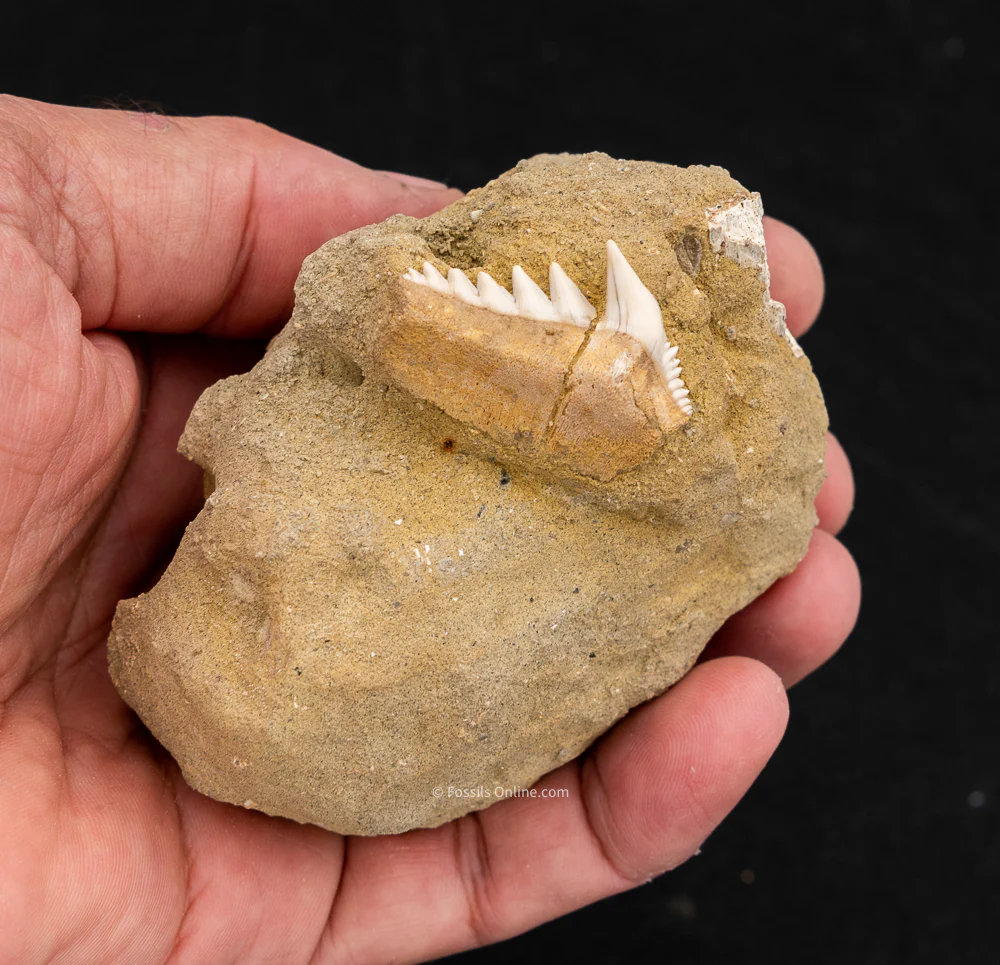
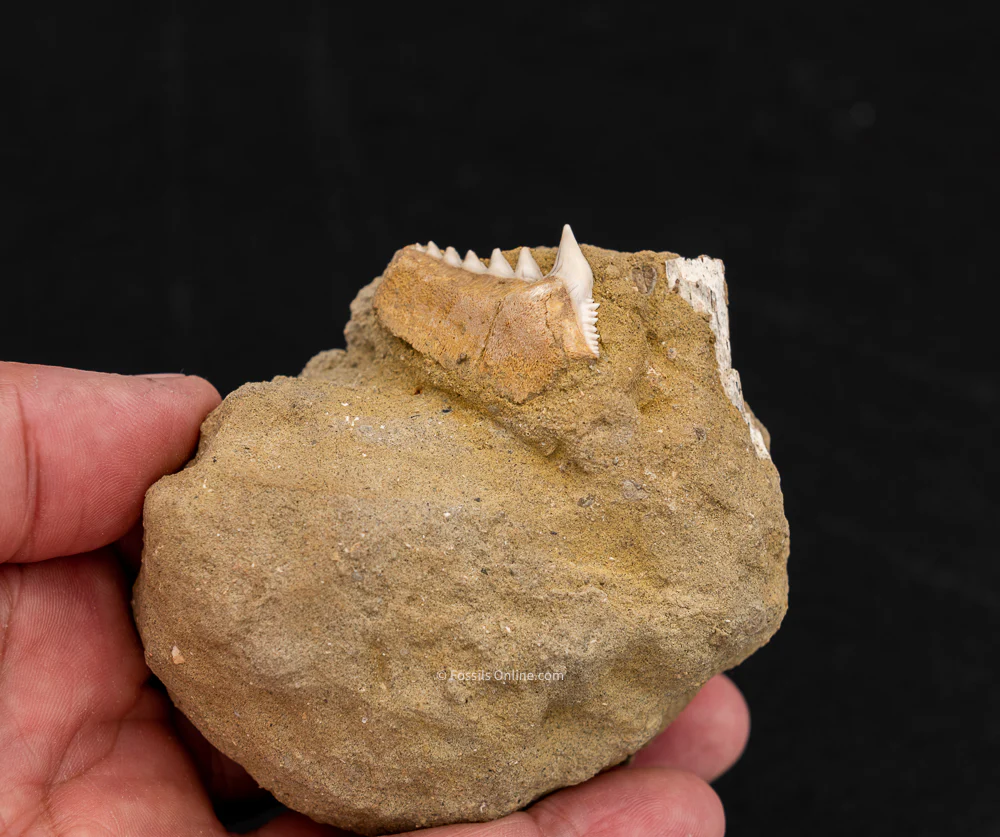
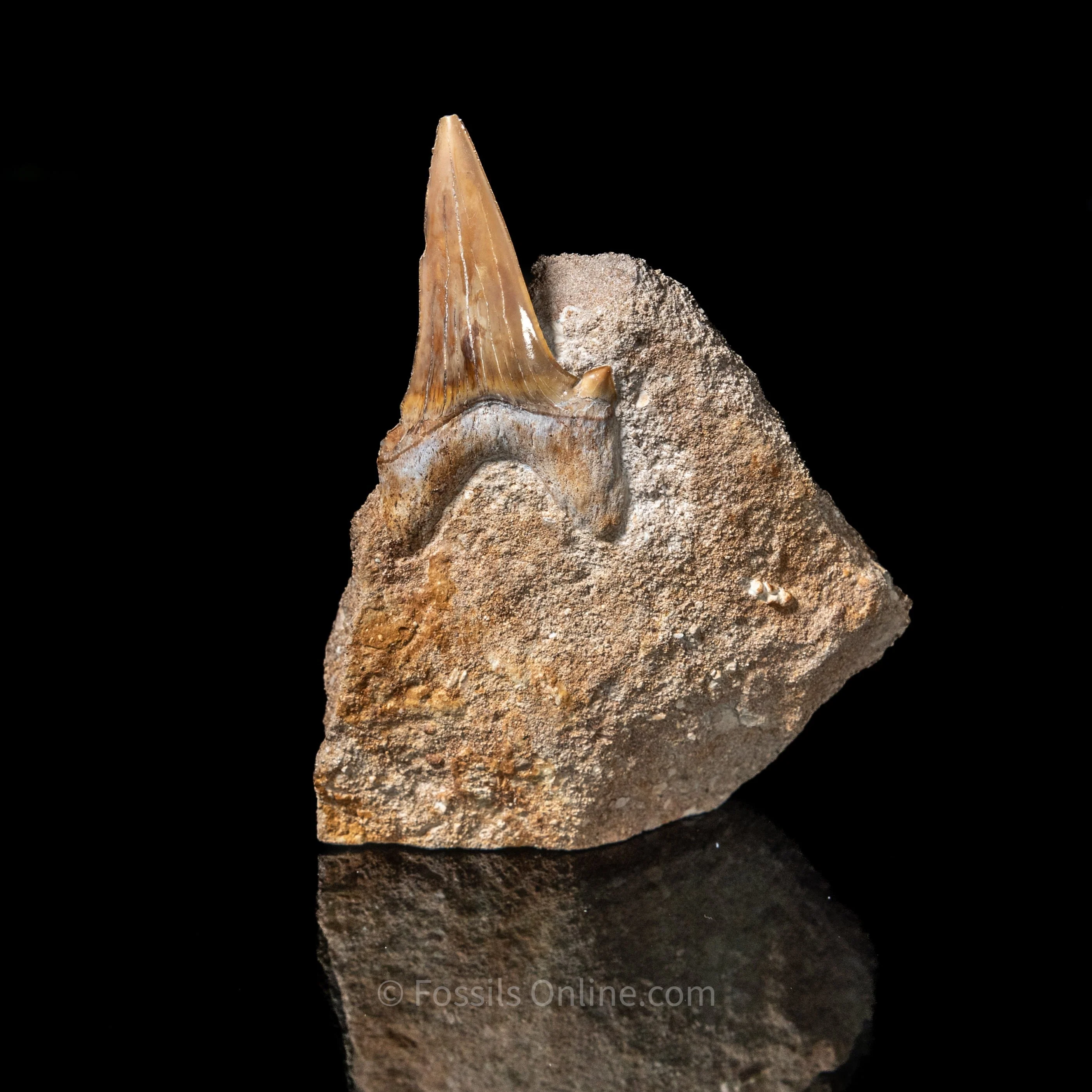
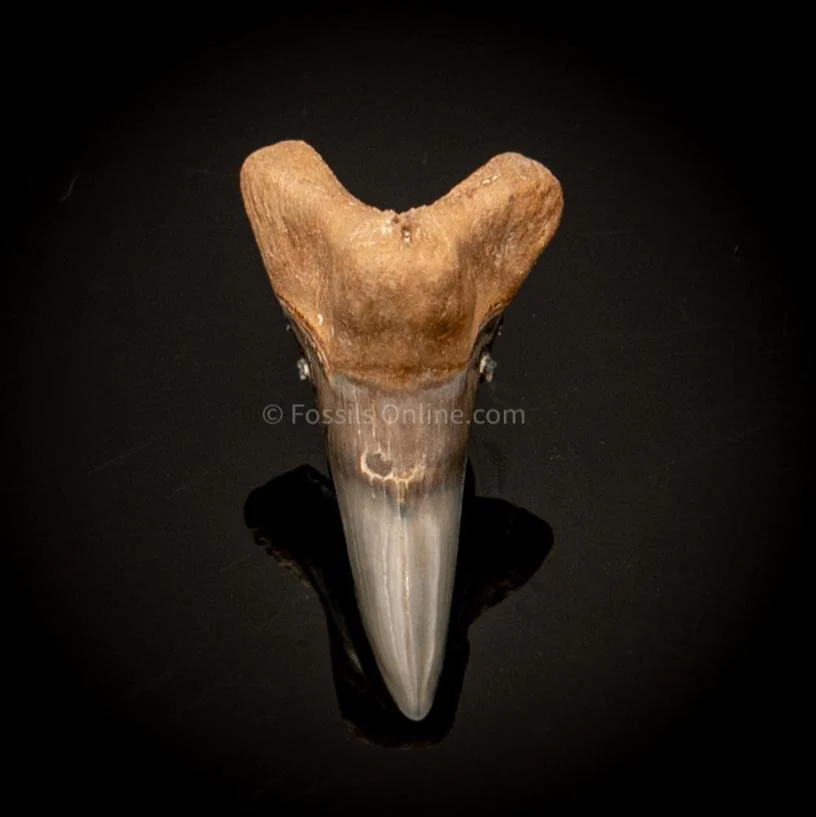
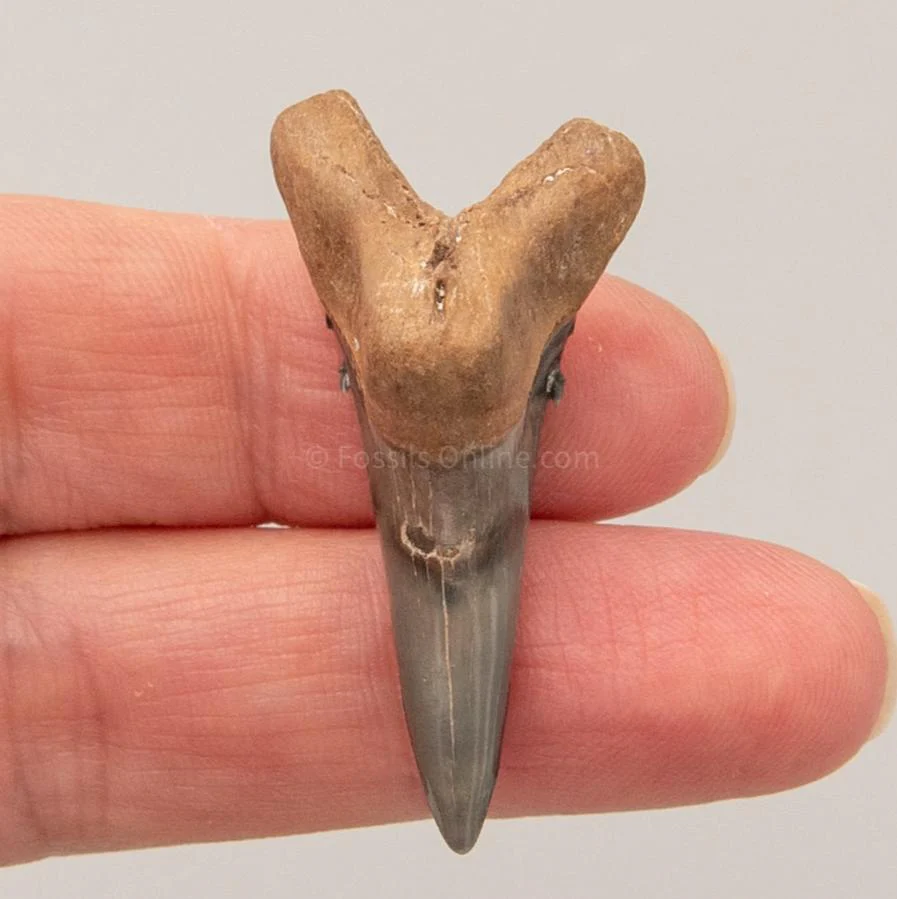
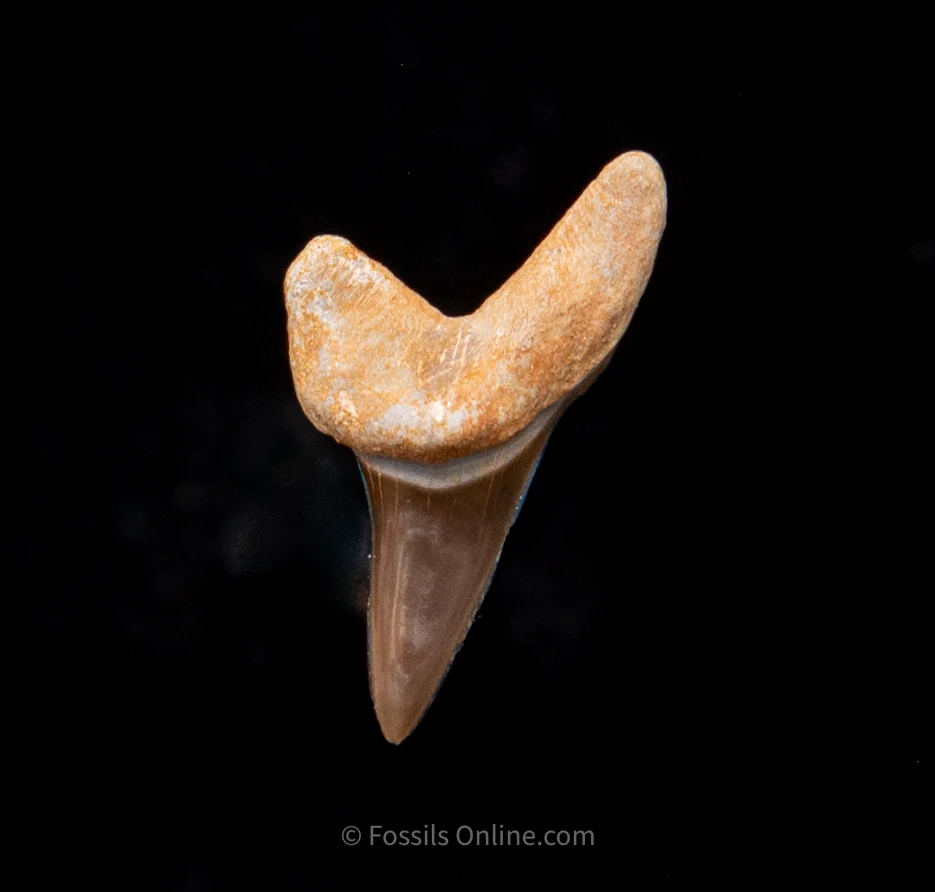
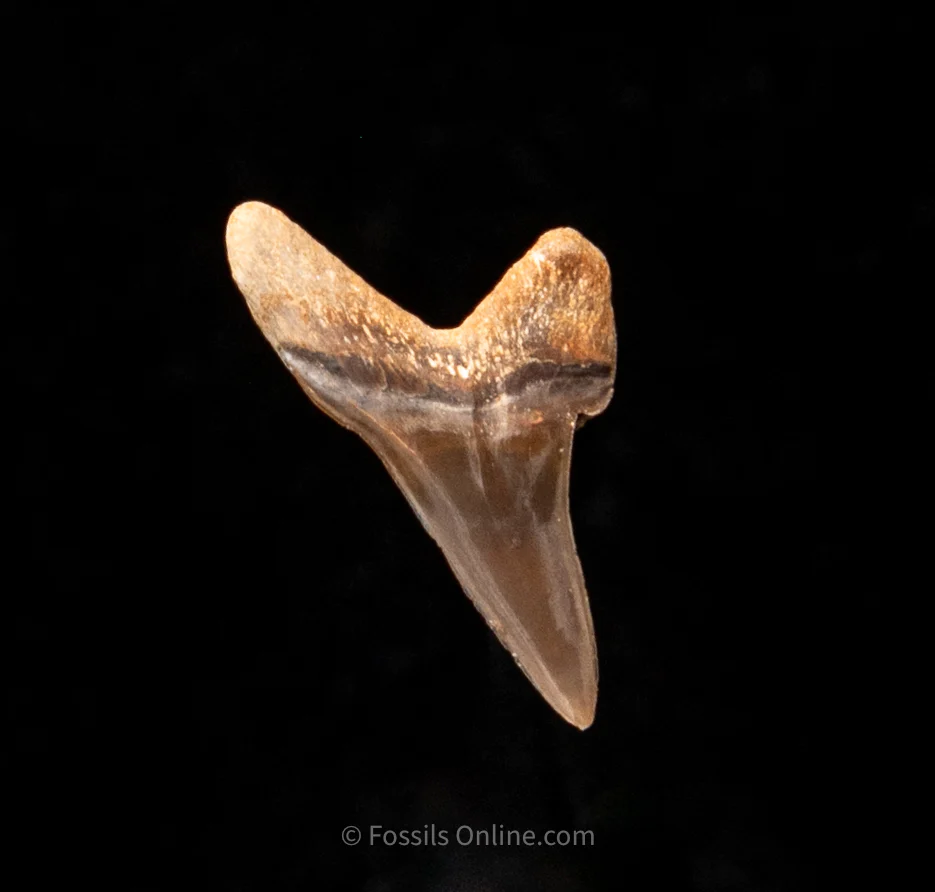
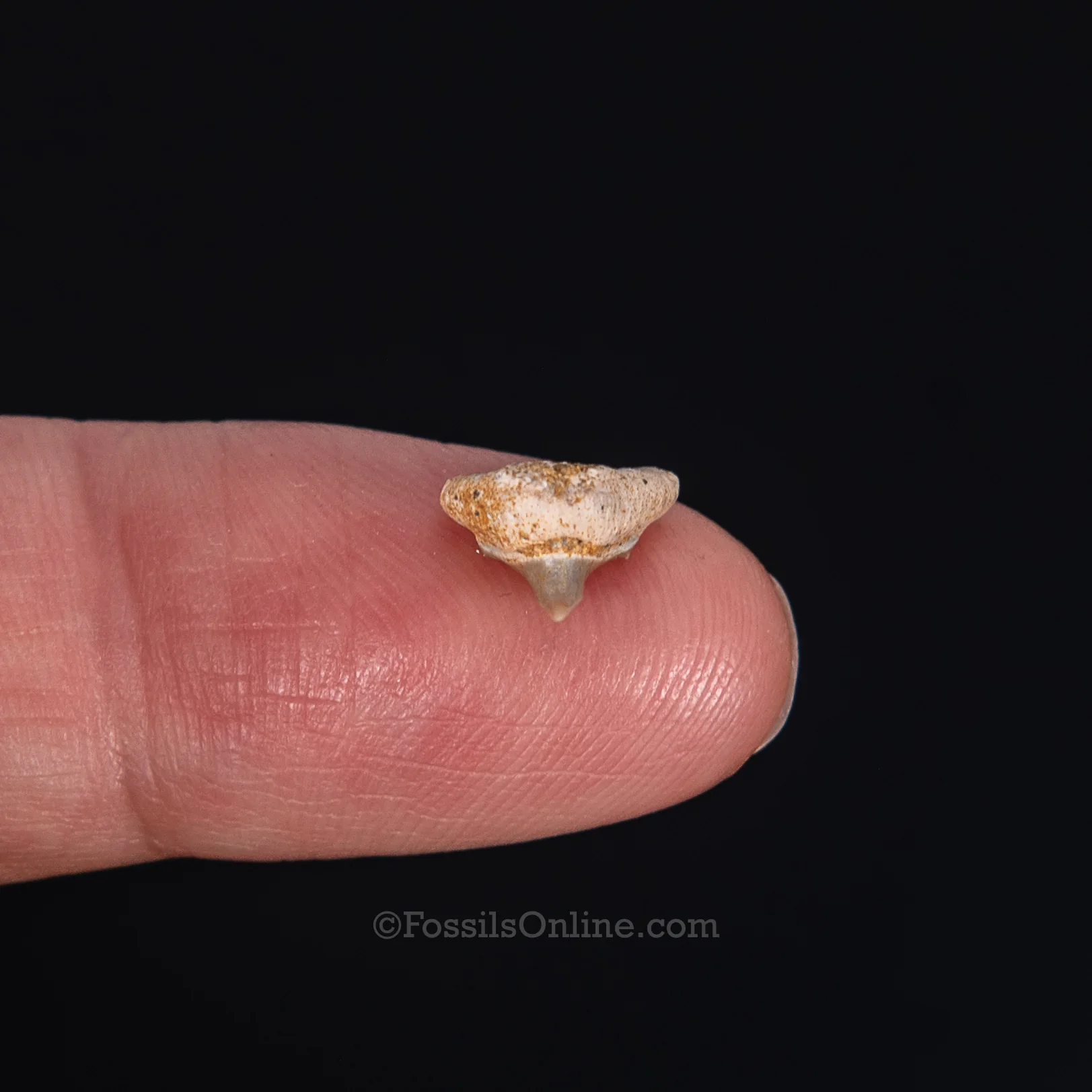
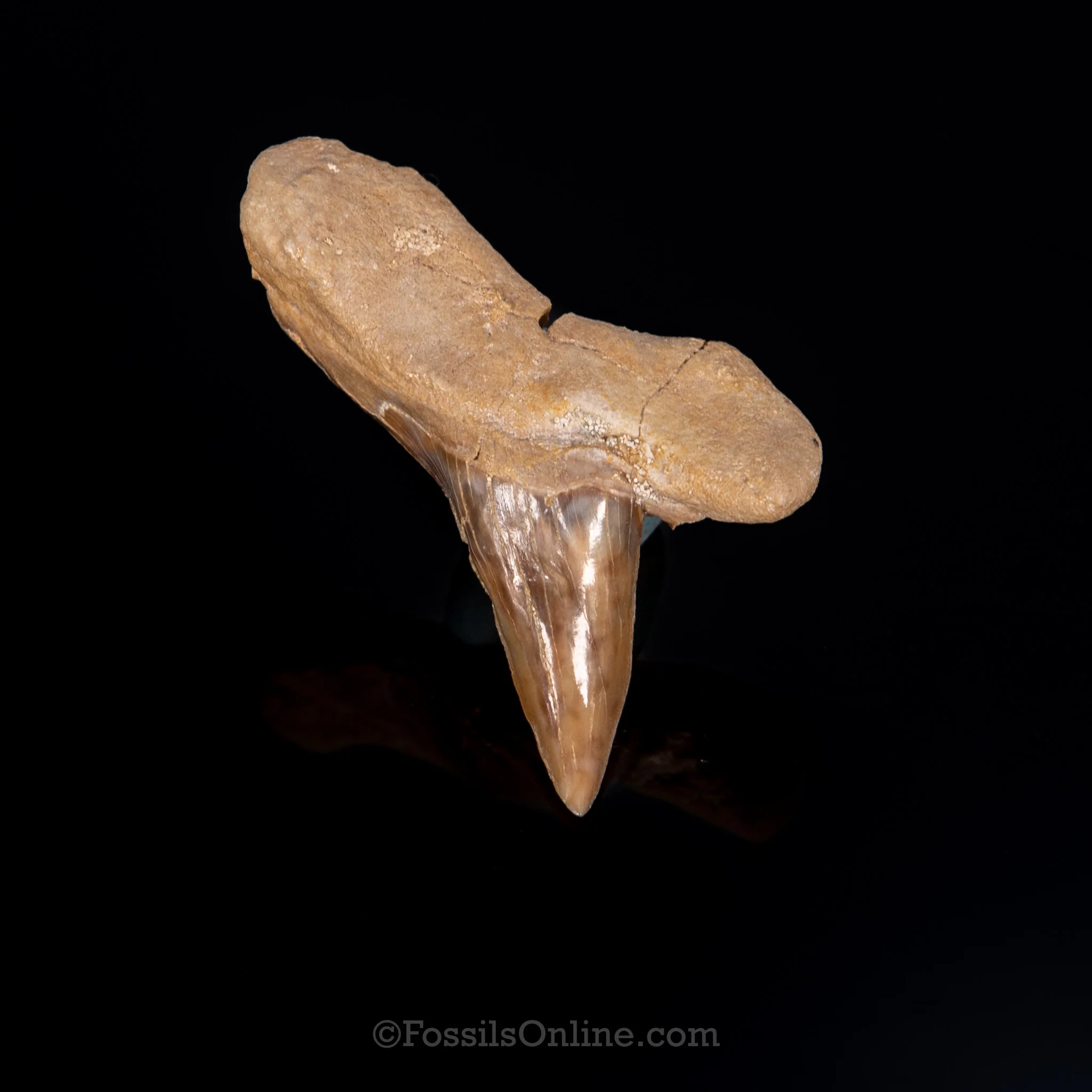
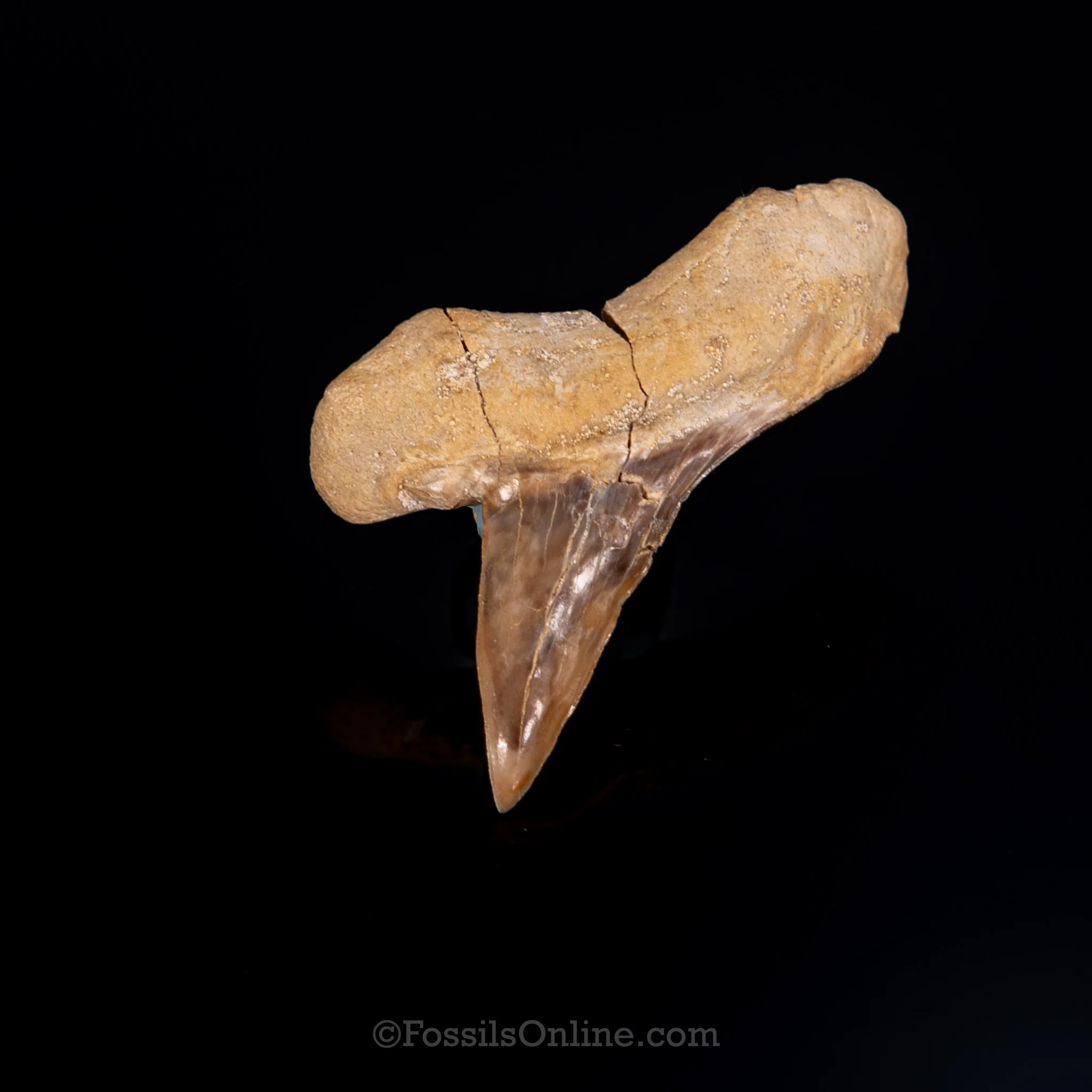
This rare pathological Palaeocarcharodon Orientalis with curved root. The root has been repaired.
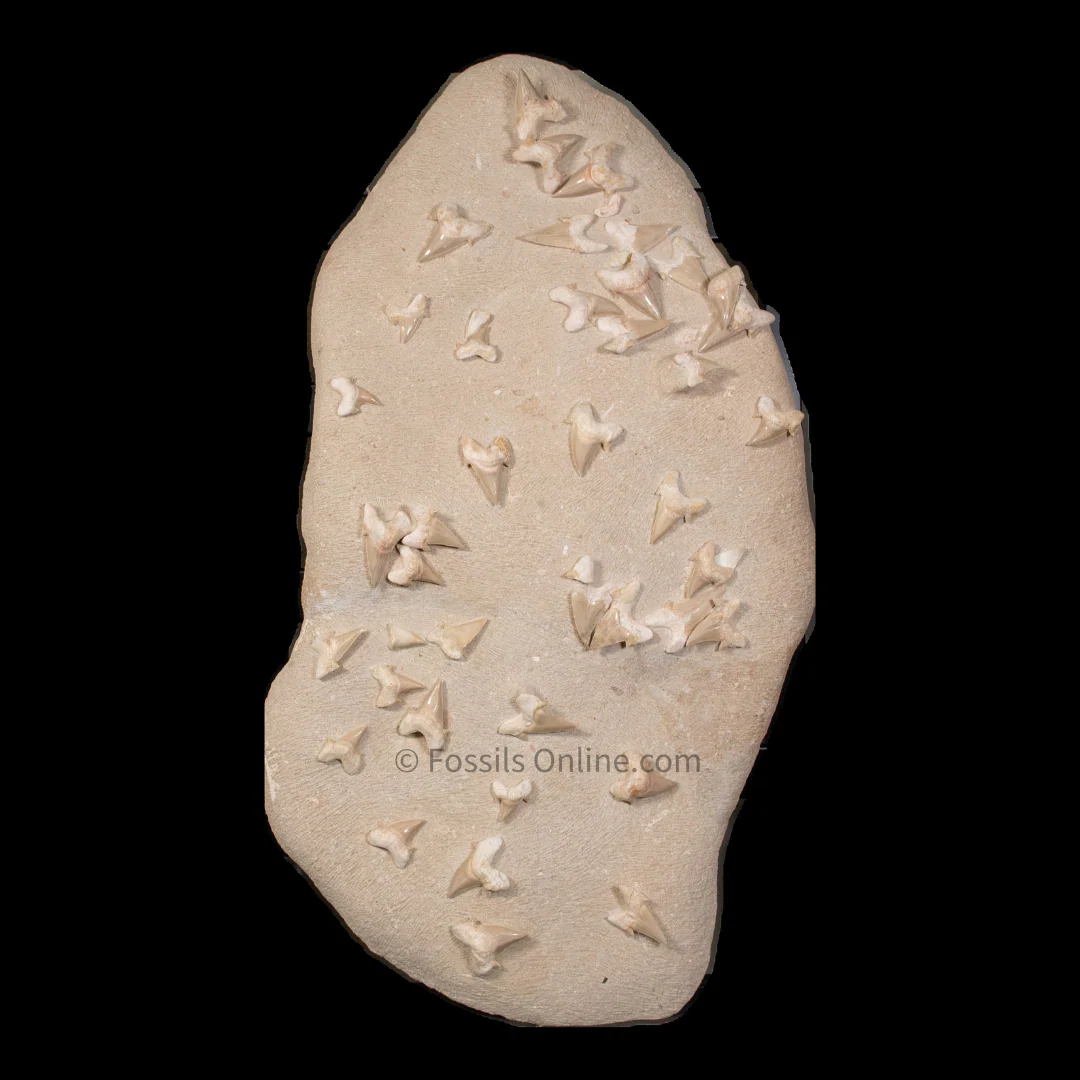
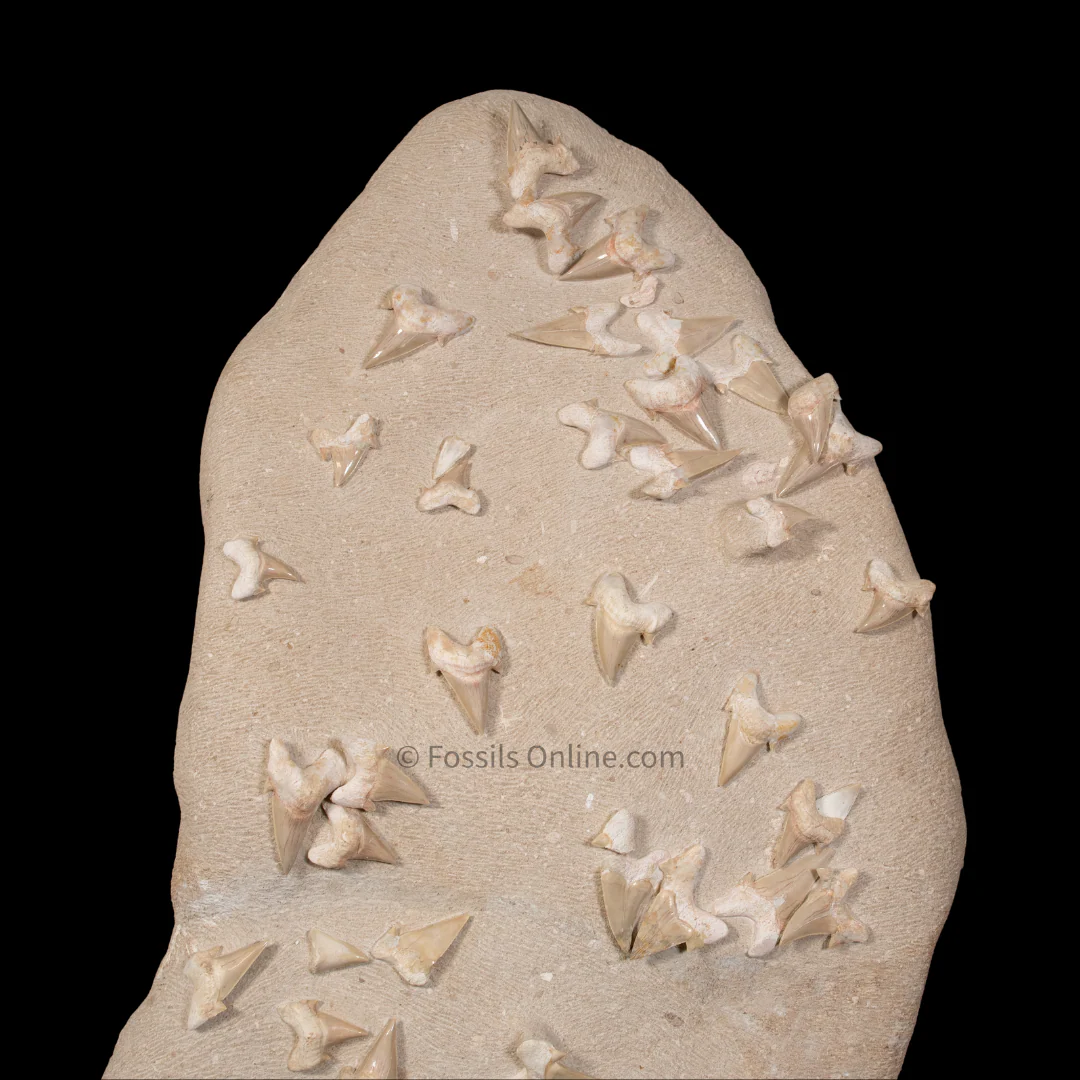
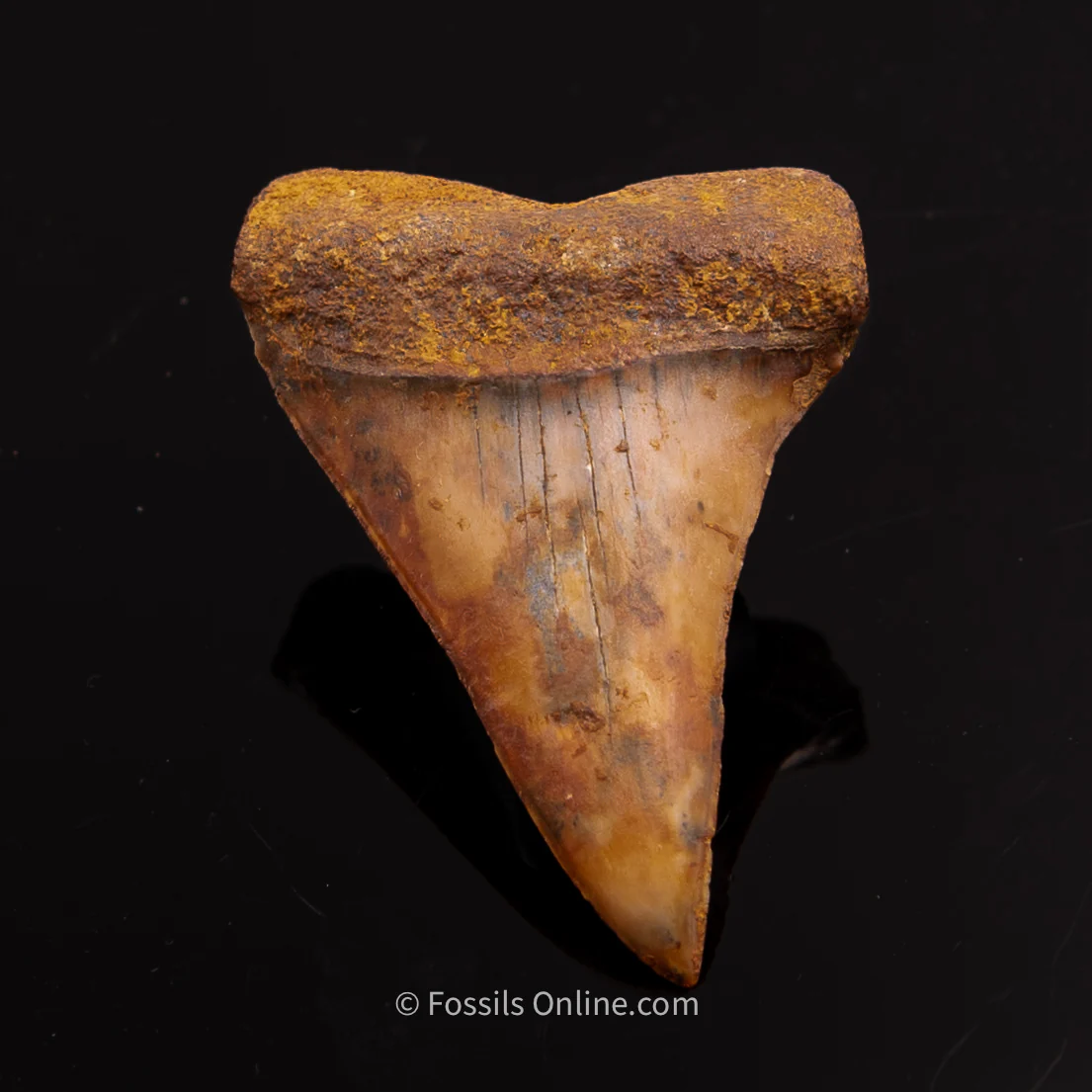
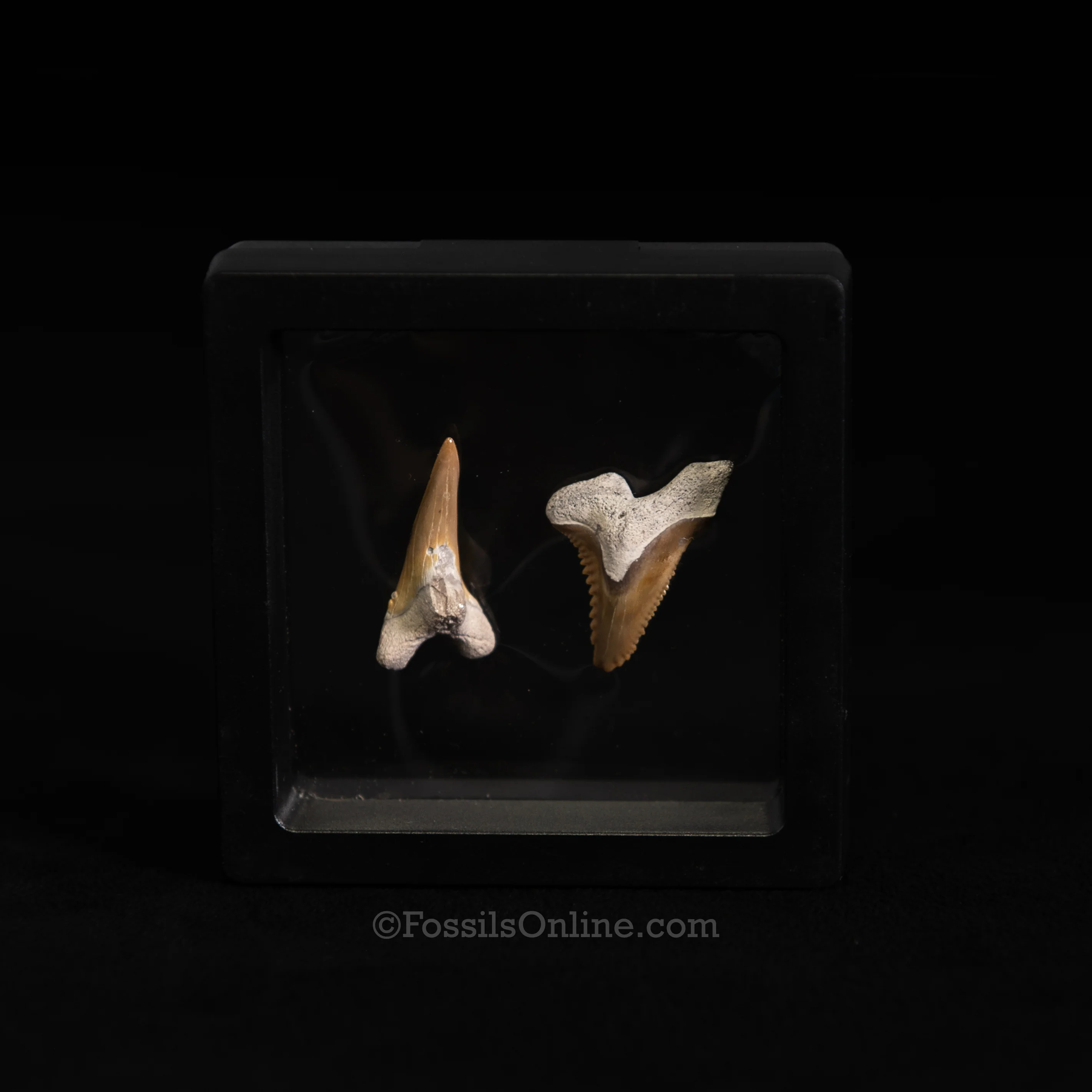
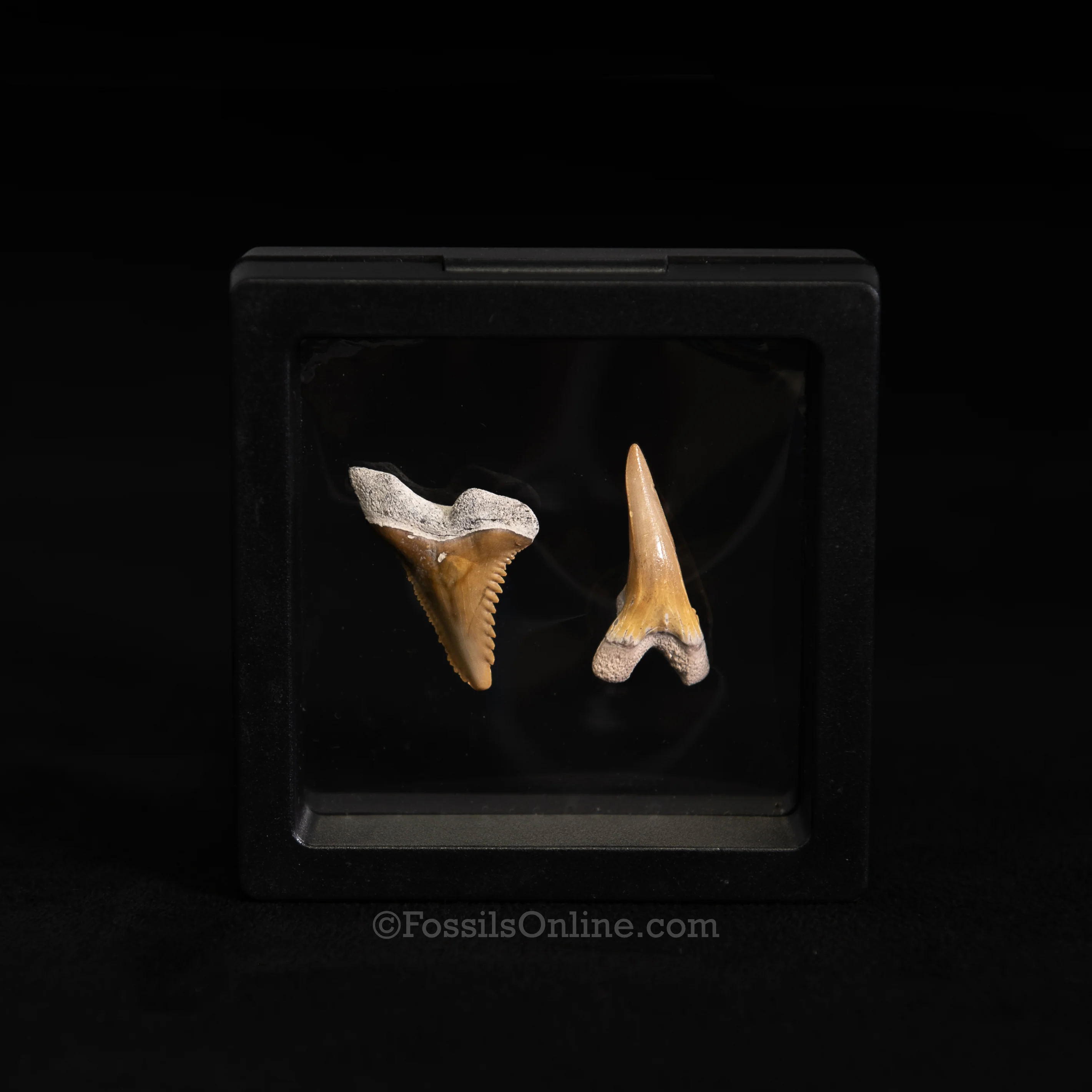
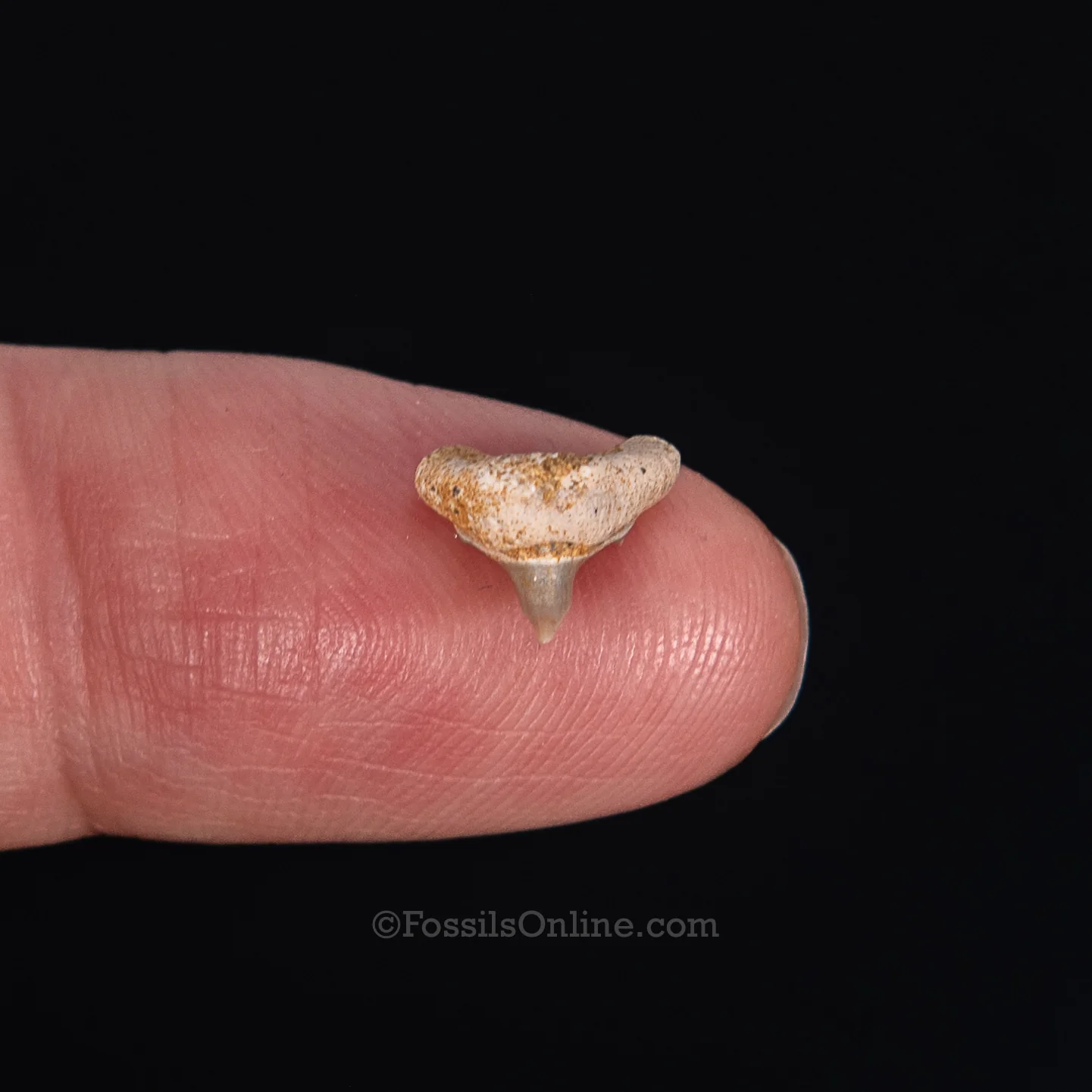
Palaeocarcharodon orientalis, often called the “pygmy white shark”, is an extinct lamnid shark from the Paleocene (about 60 million years ago), with teeth famously found in Morocco’s phosphate beds. Its triangular teeth feature irregular serrations and small lateral cusplets, giving them a jagged, saw-like edge. Though once thought to be an ancestor of the great white, most scientists now see it as a unique lineage that evolved separately. Well-preserved specimens from Morocco are rare and highly prized by collectors.
Product Information
Product Information
Shipping & Returns
Shipping & Returns
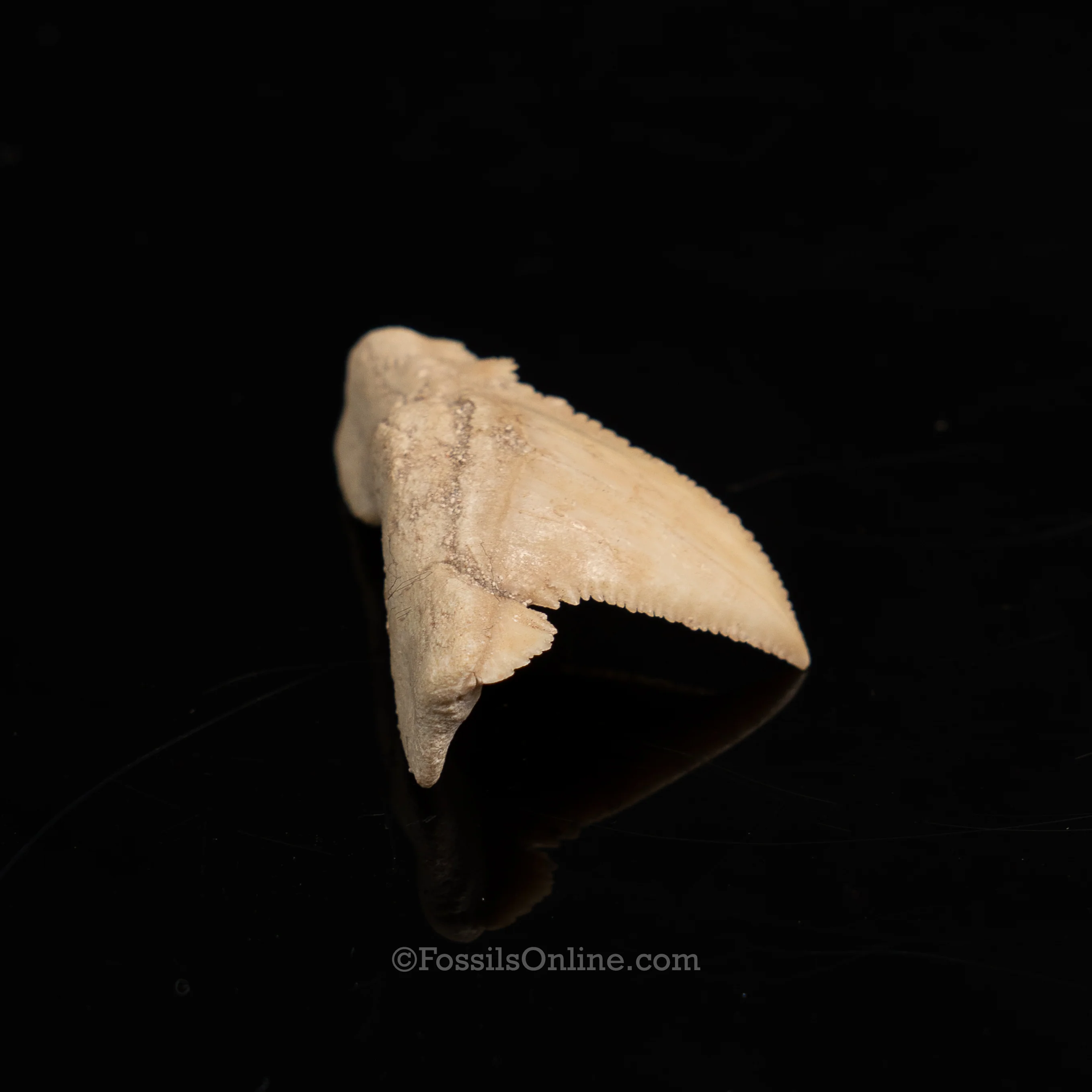
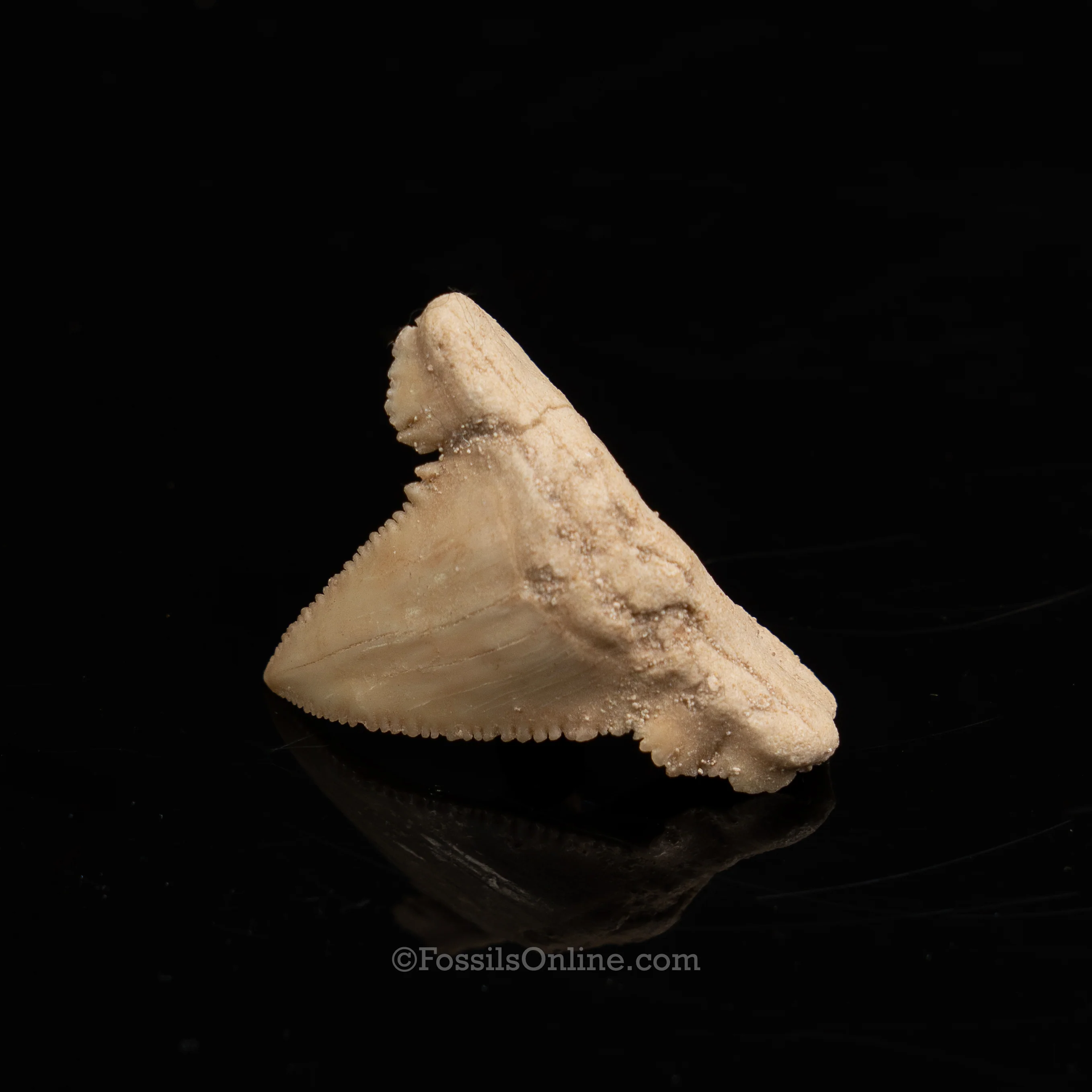
Pathological Palaeocarcharodon Orientalis 1.42"
Pathological Palaeocarcharodon Orientalis 1.42"
This rare pathological Palaeocarcharodon Orientalis with curved root. The root has been repaired.
Palaeocarcharodon orientalis, often called the “pygmy white shark”, is an extinct lamnid shark from the Paleocene (about 60 million years ago), with teeth famously found in Morocco’s phosphate beds. Its triangular teeth feature irregular serrations and small lateral cusplets, giving them a jagged, saw-like edge. Though once thought to be an ancestor of the great white, most scientists now see it as a unique lineage that evolved separately. Well-preserved specimens from Morocco are rare and highly prized by collectors.
Product Information
Product Information
Shipping & Returns
Shipping & Returns
Description
This rare pathological Palaeocarcharodon Orientalis with curved root. The root has been repaired.
Palaeocarcharodon orientalis, often called the “pygmy white shark”, is an extinct lamnid shark from the Paleocene (about 60 million years ago), with teeth famously found in Morocco’s phosphate beds. Its triangular teeth feature irregular serrations and small lateral cusplets, giving them a jagged, saw-like edge. Though once thought to be an ancestor of the great white, most scientists now see it as a unique lineage that evolved separately. Well-preserved specimens from Morocco are rare and highly prized by collectors.