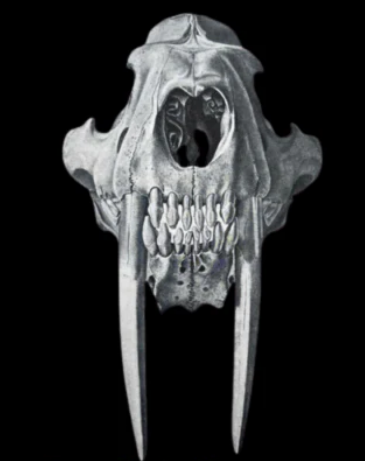
Rare Florida Fossil Rhino Tooth
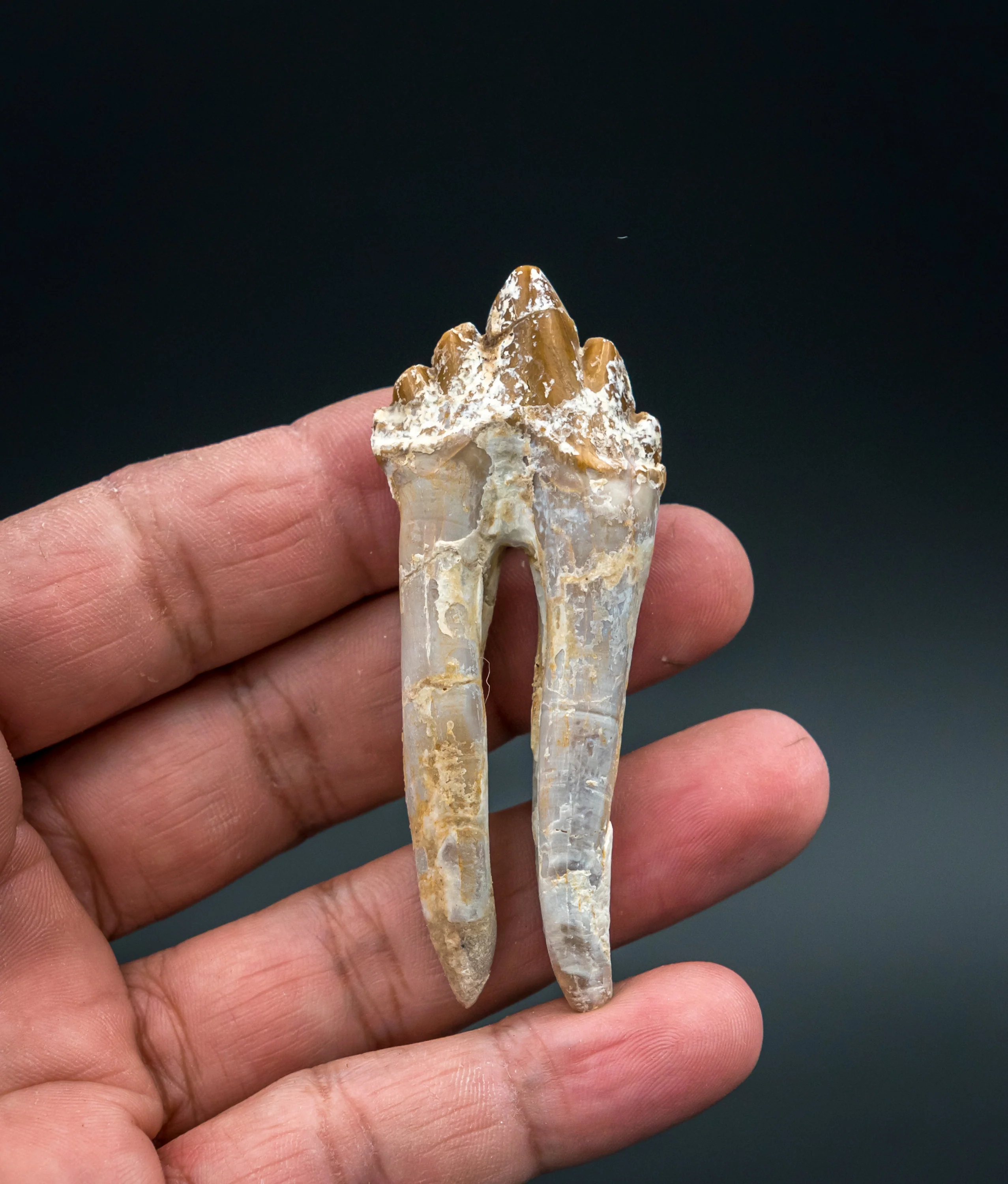
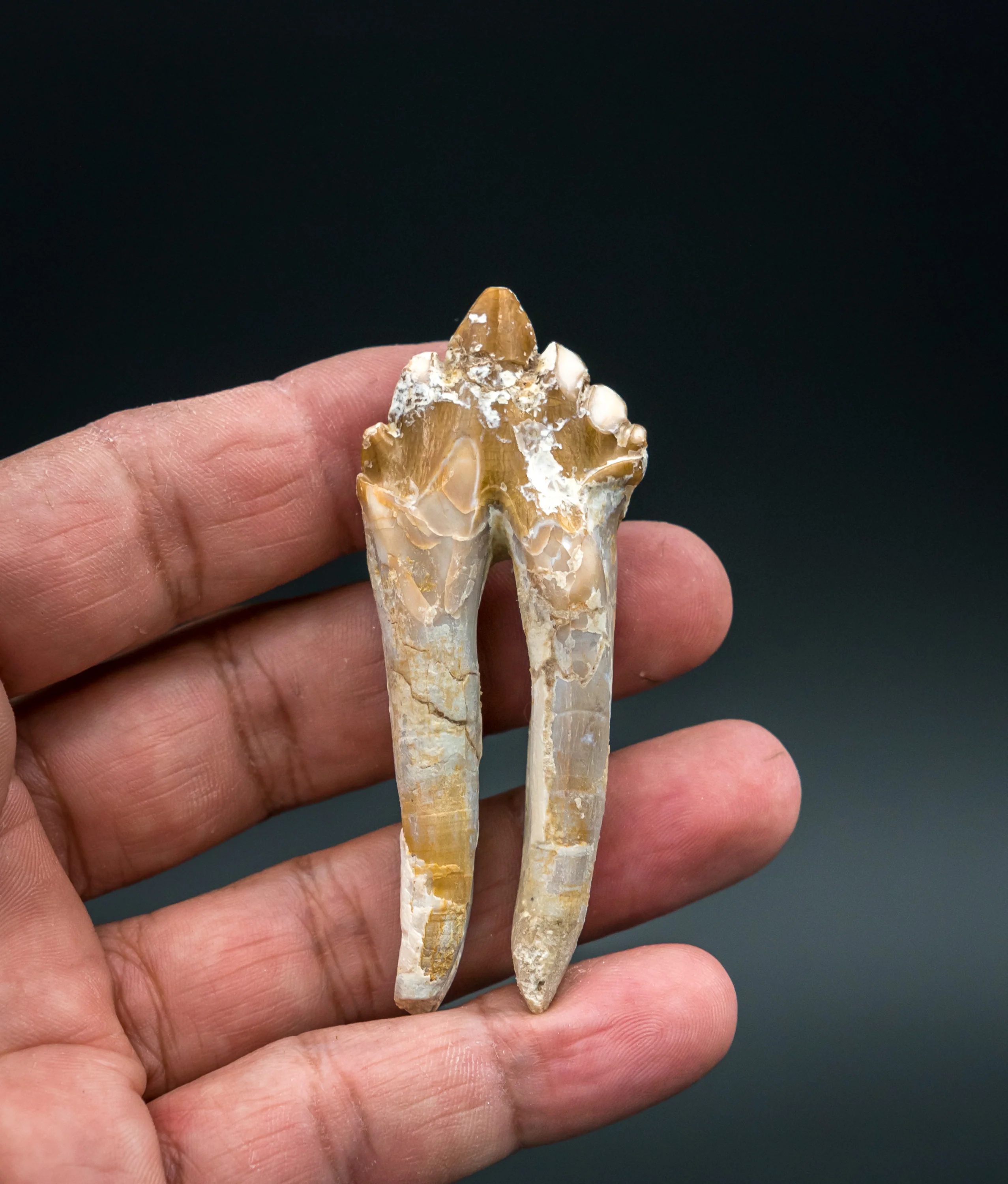
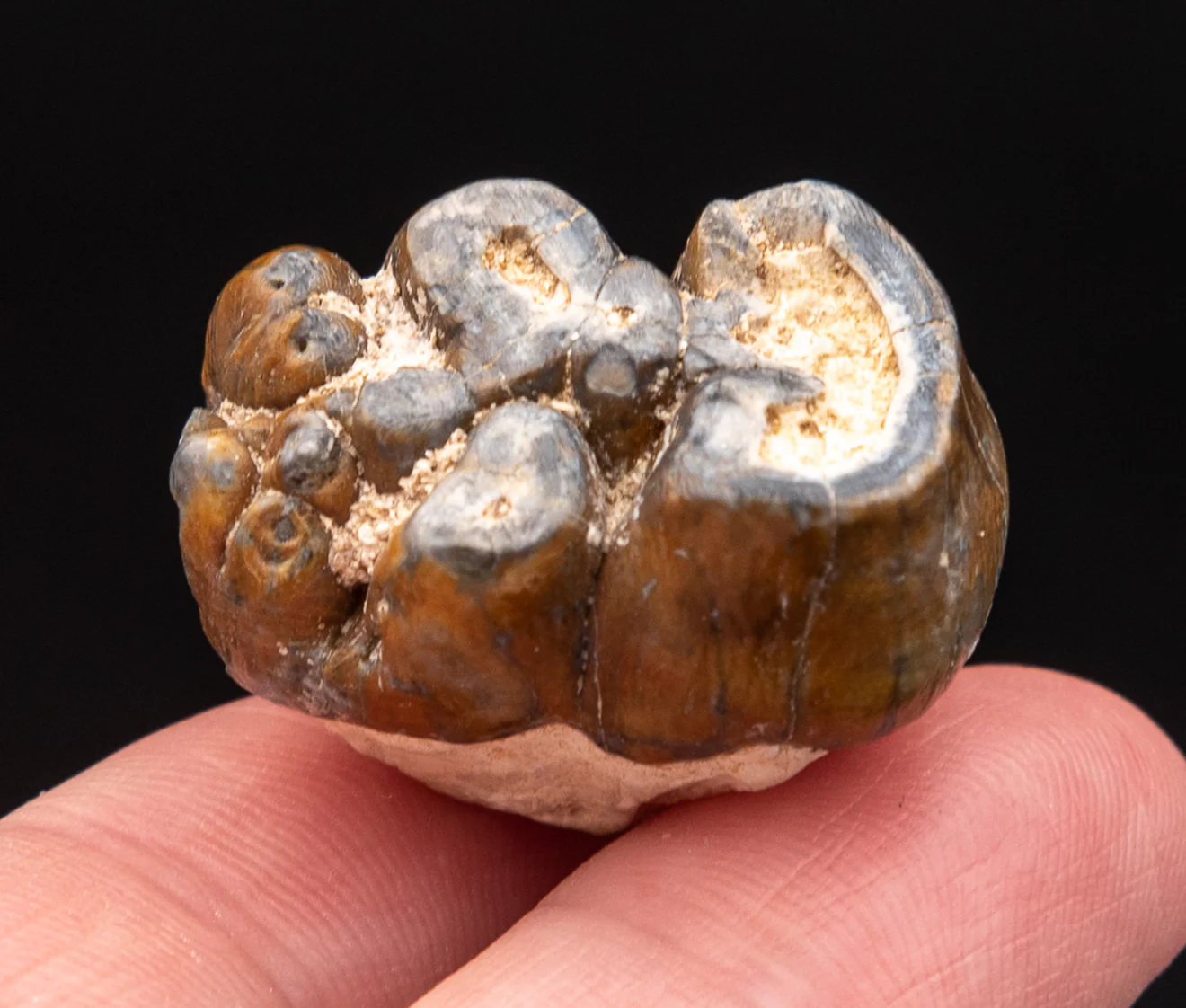
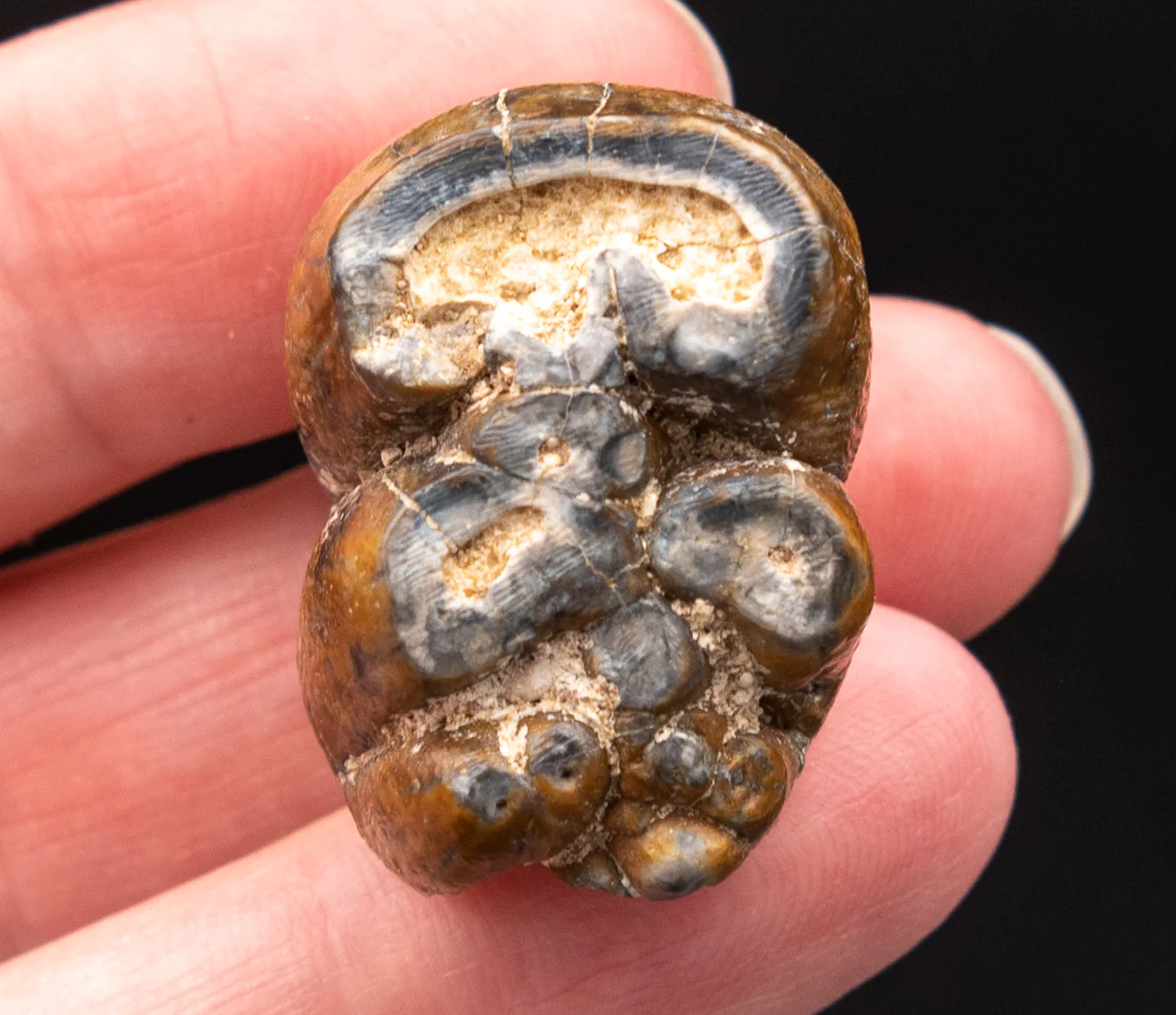
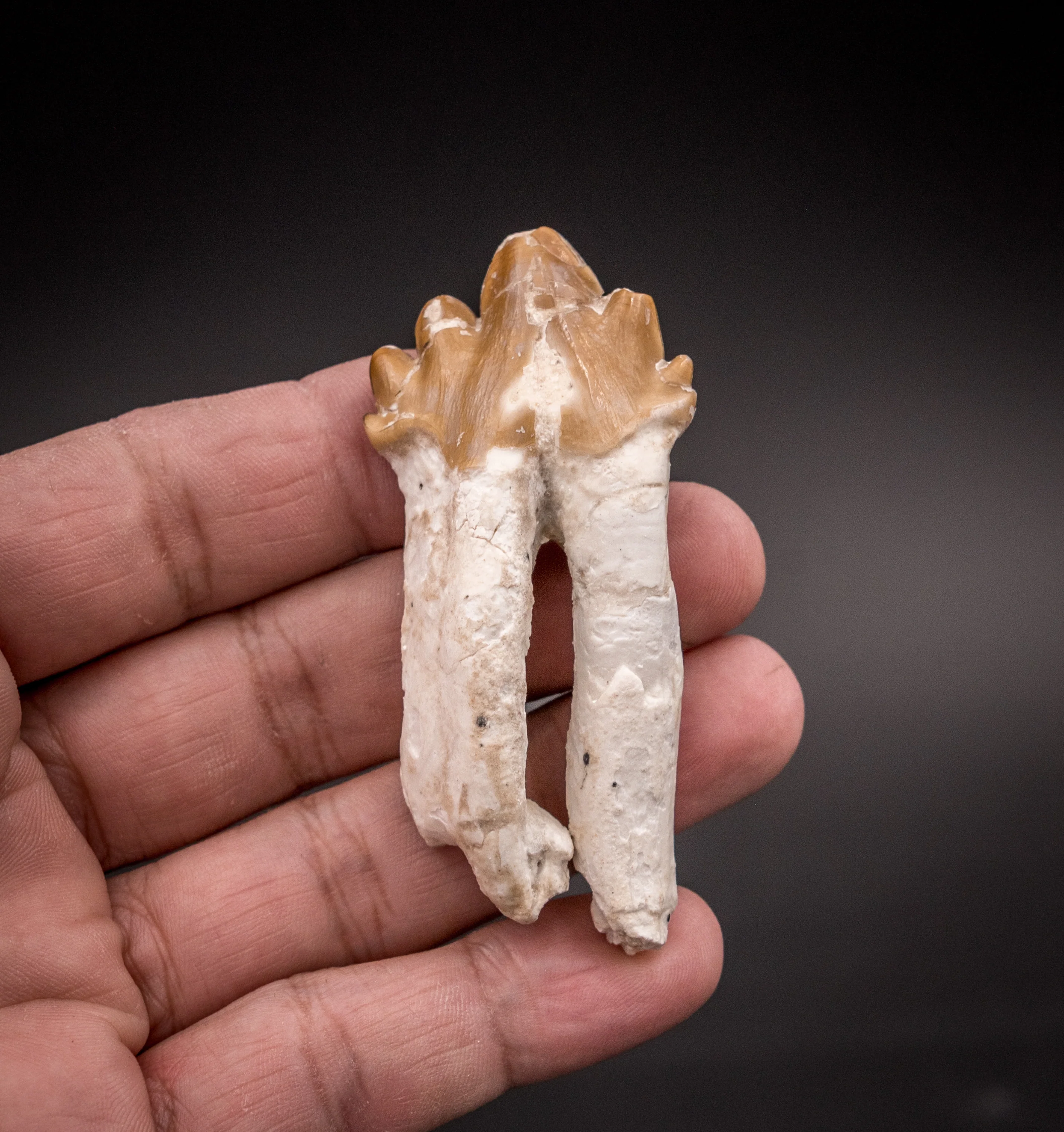
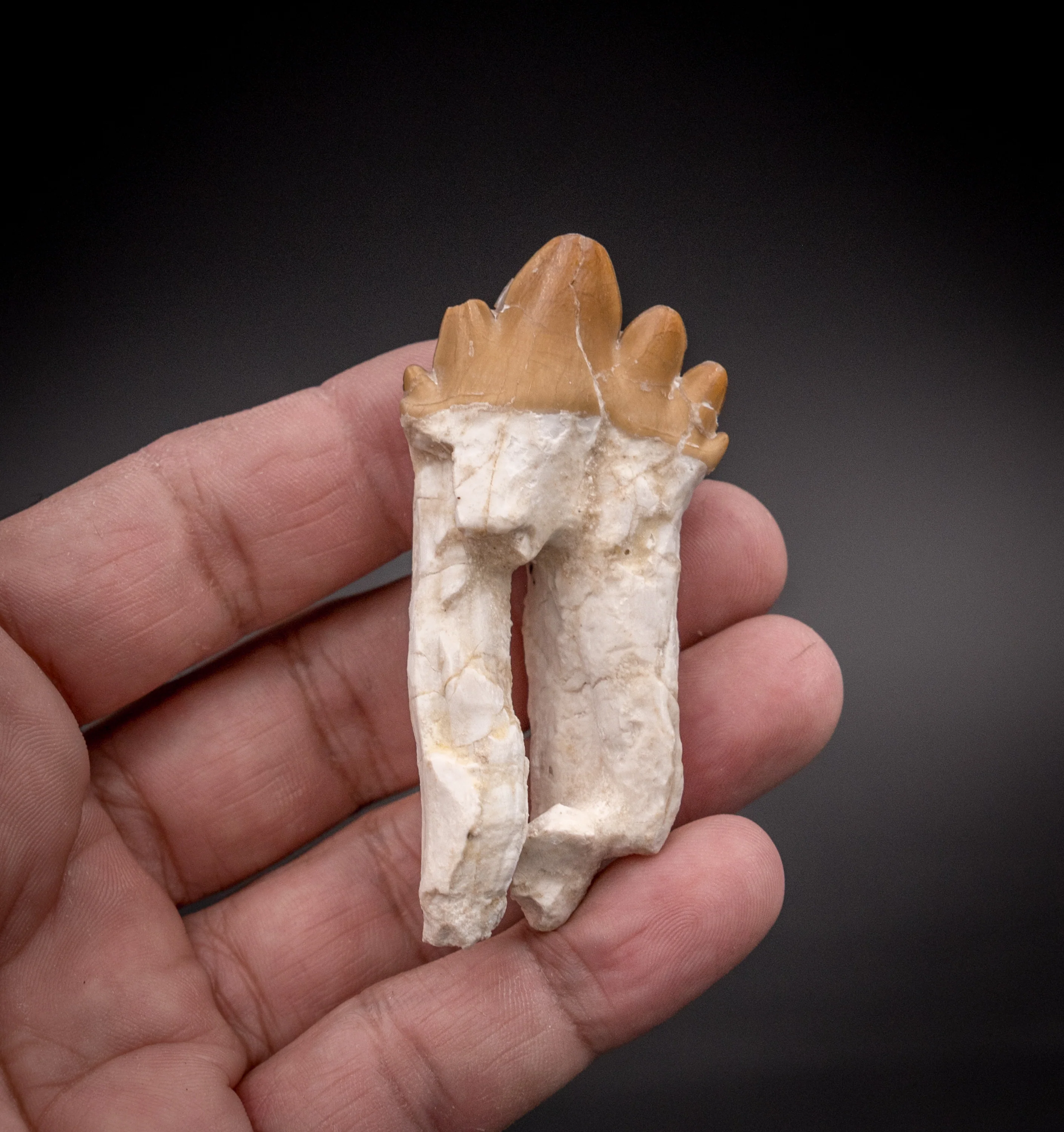
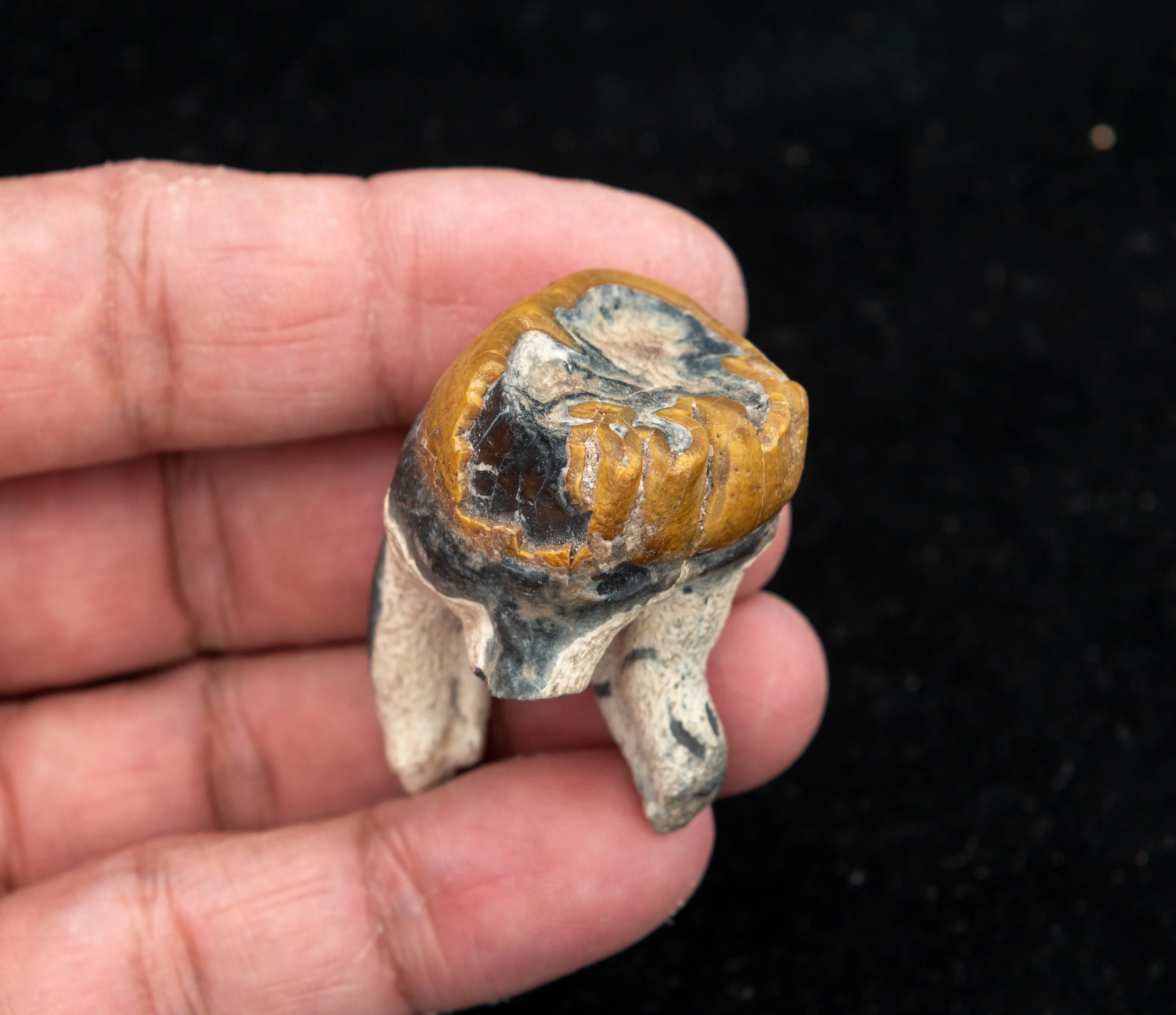
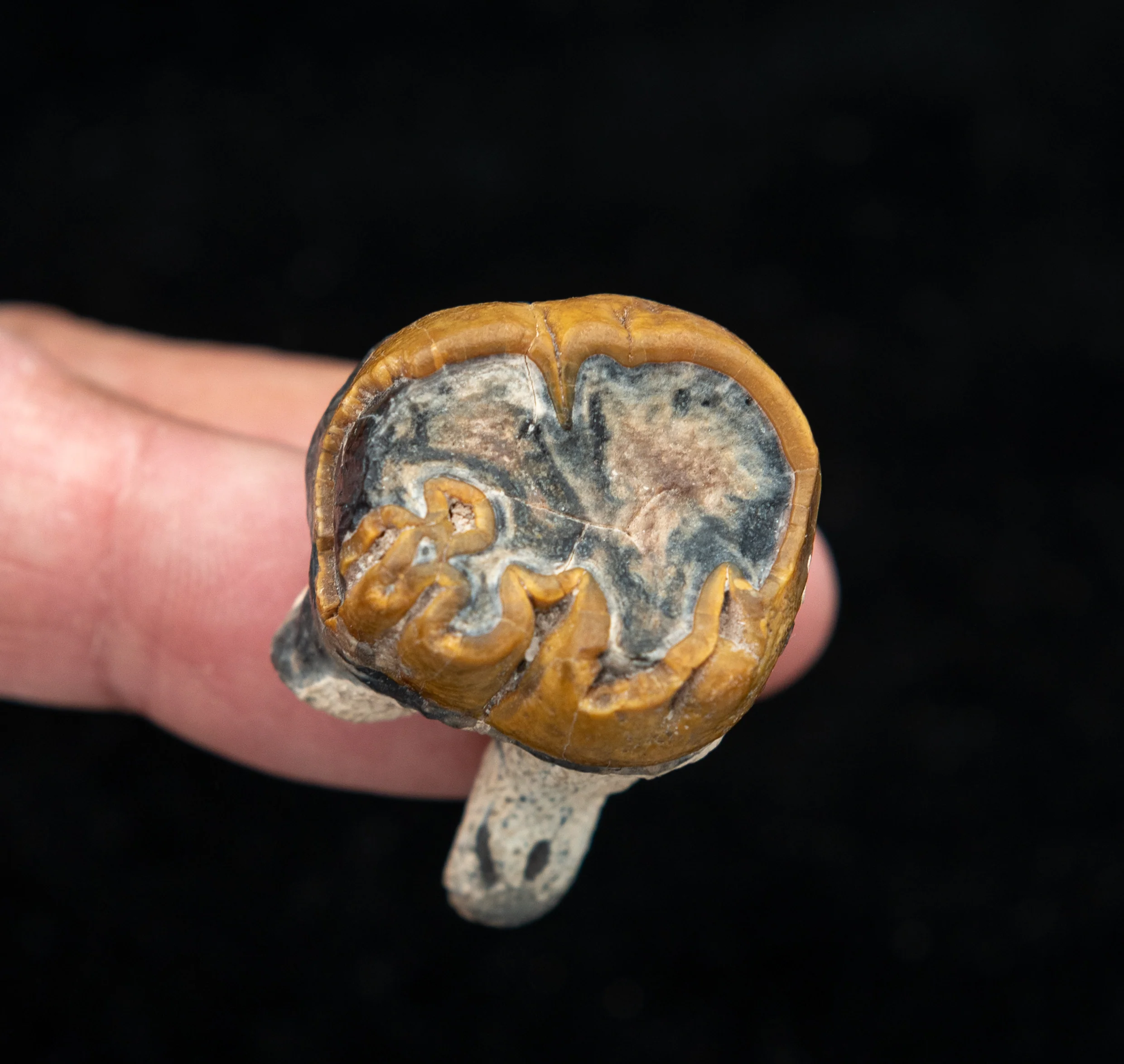
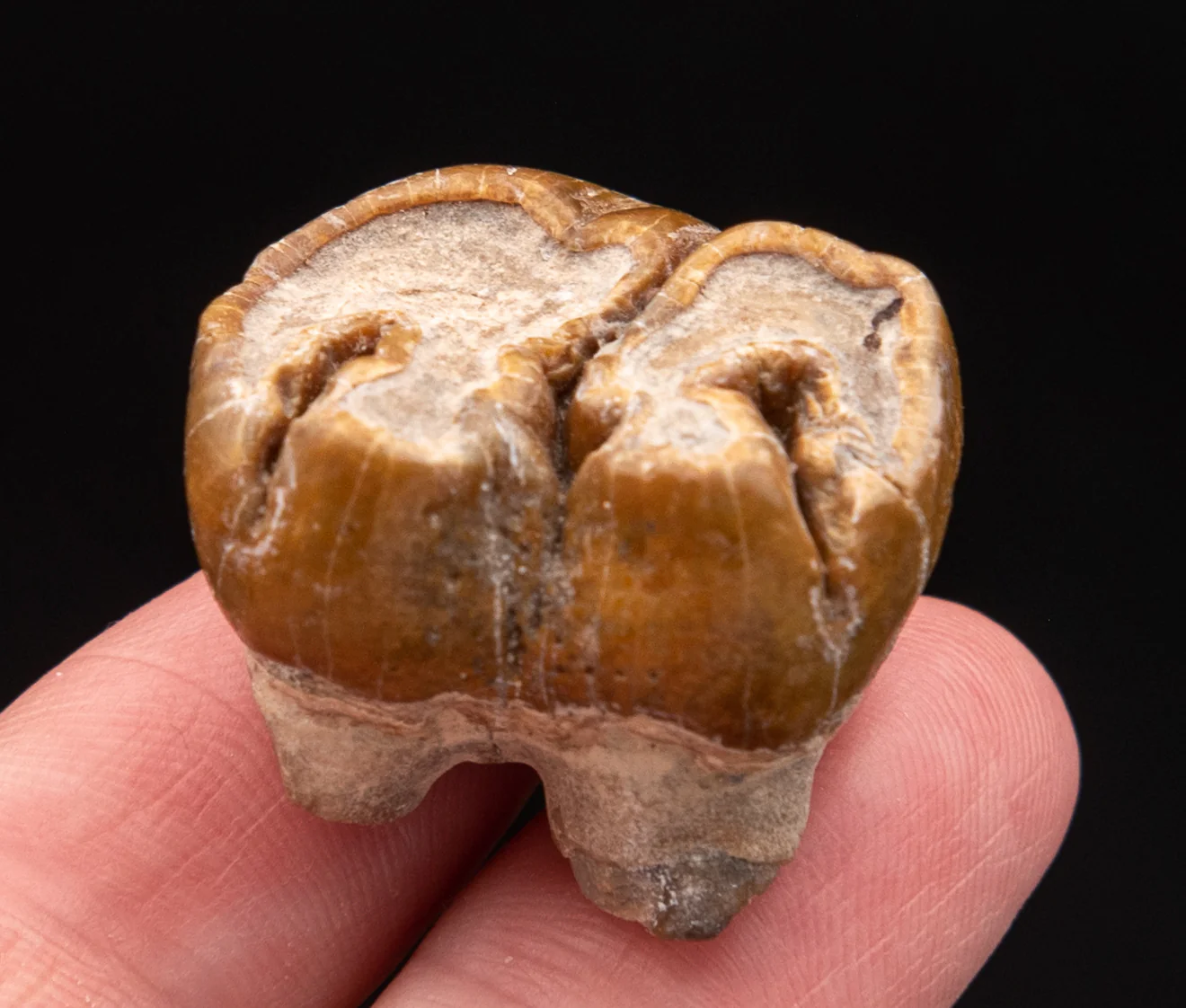
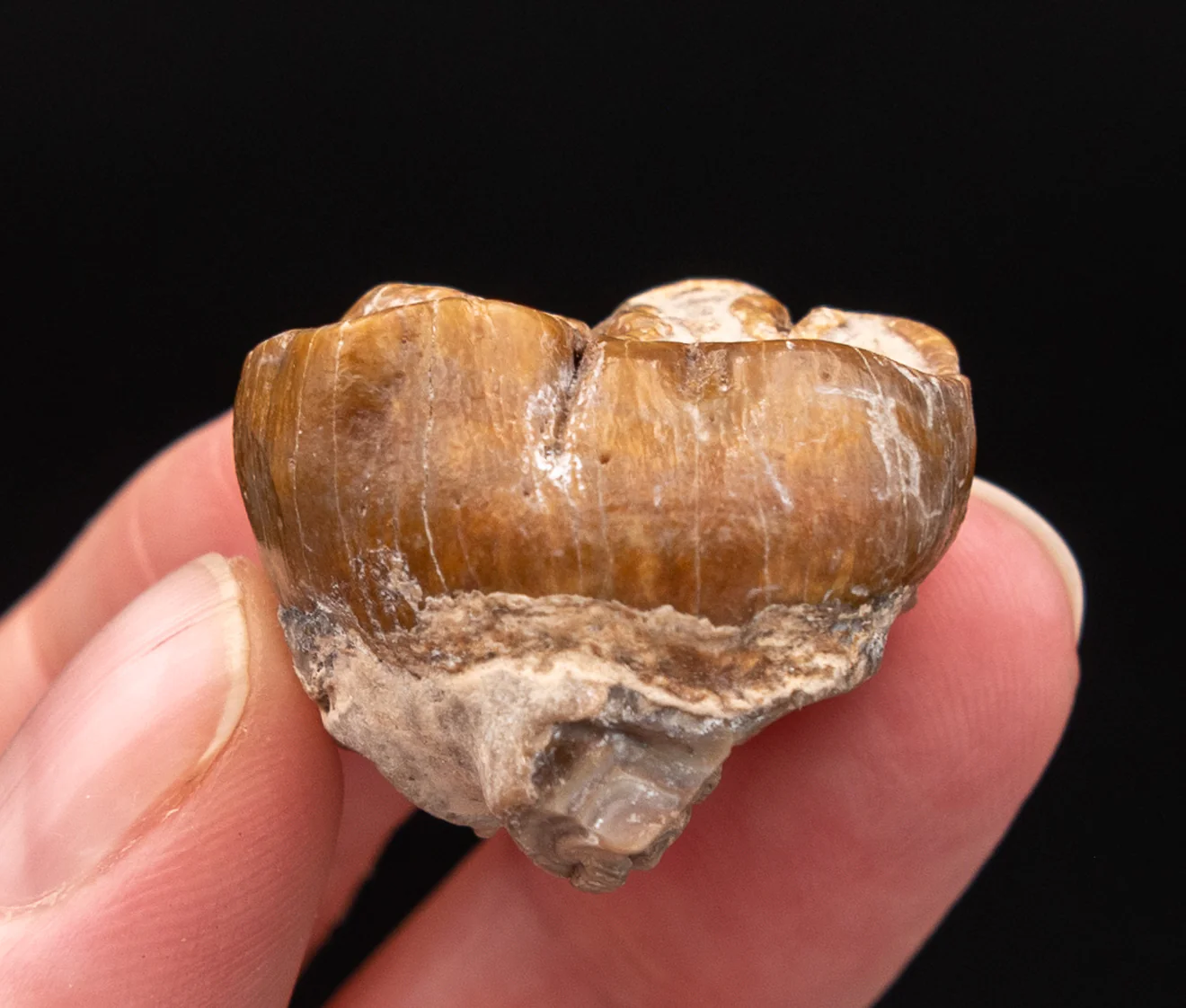
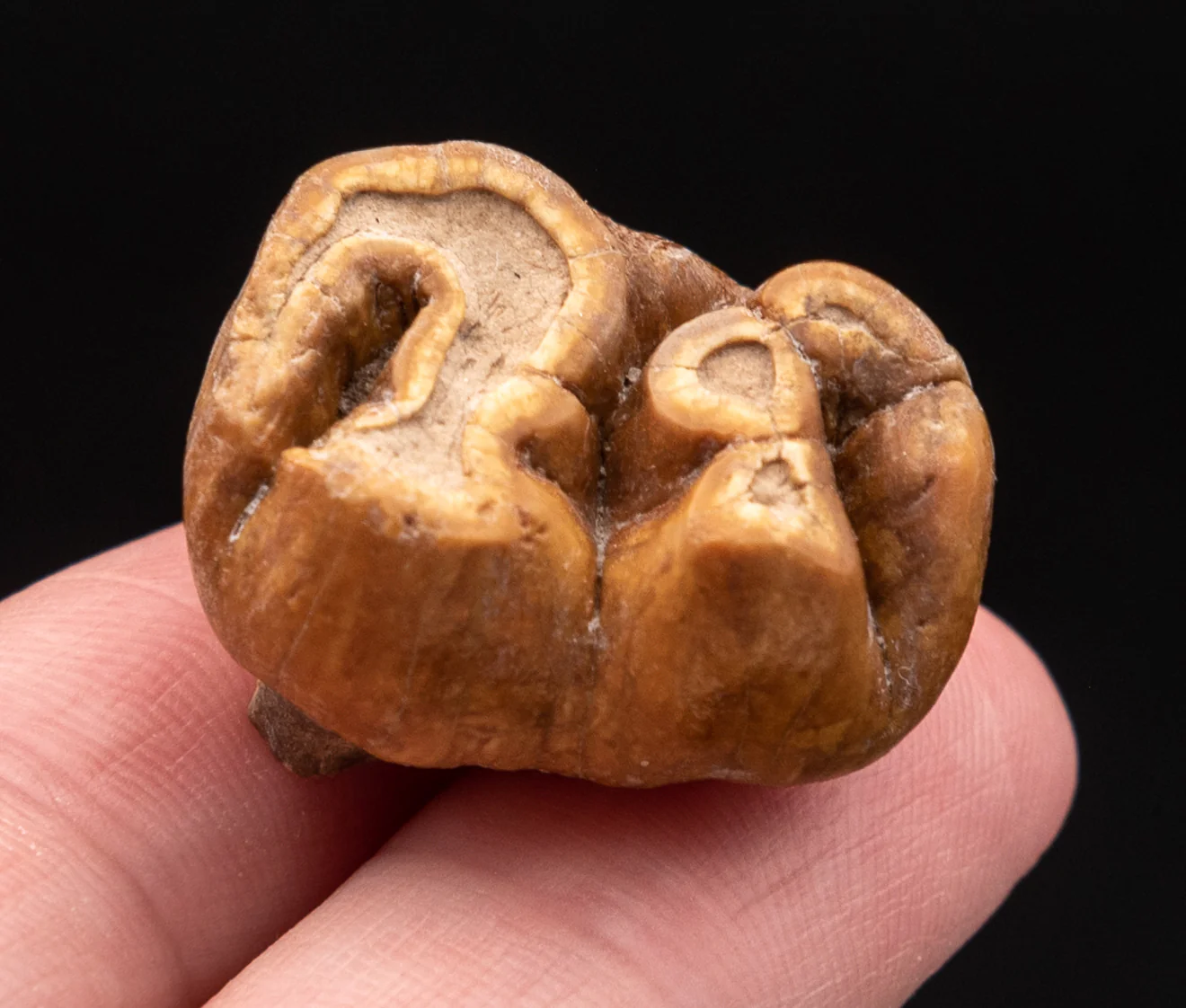
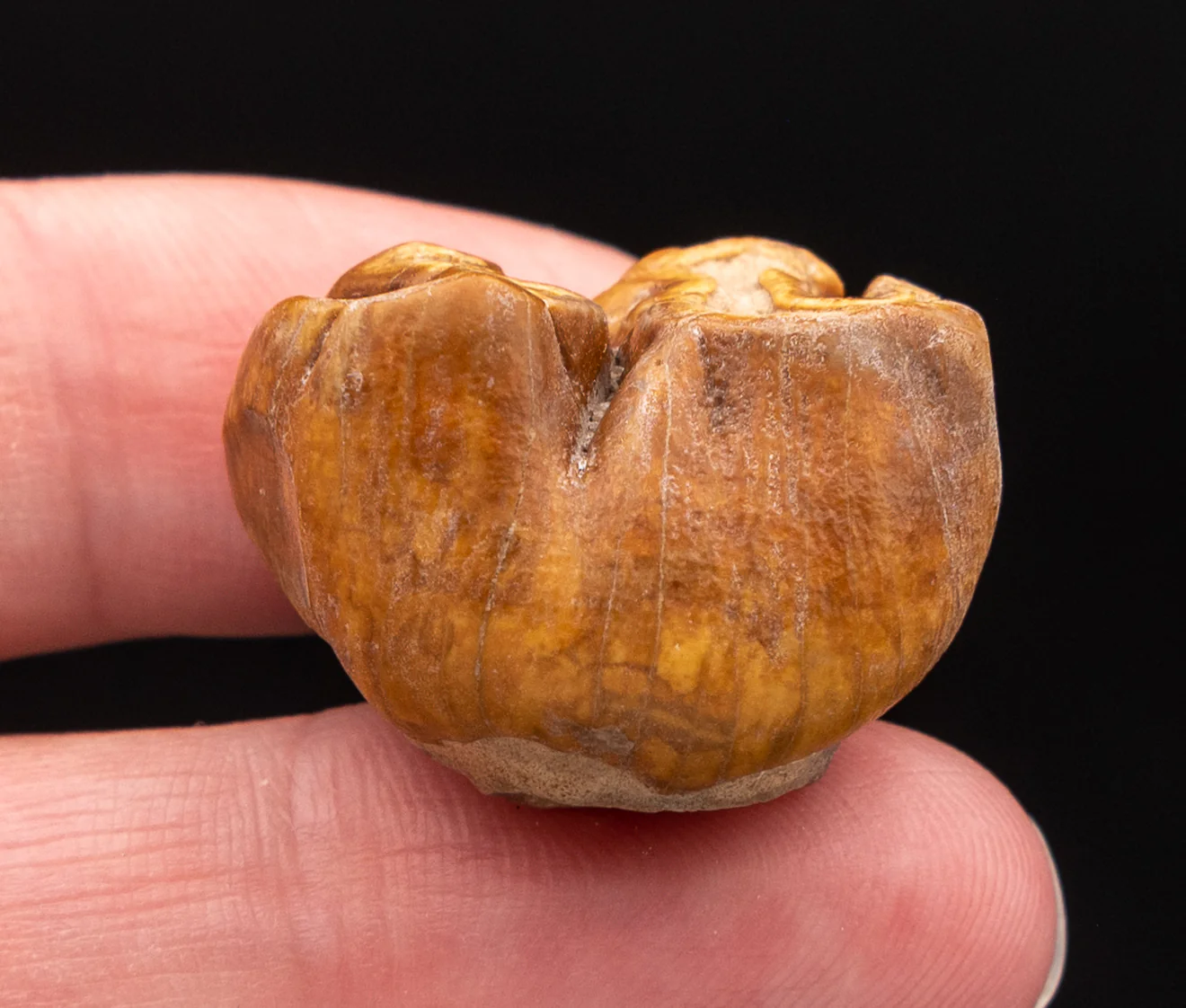
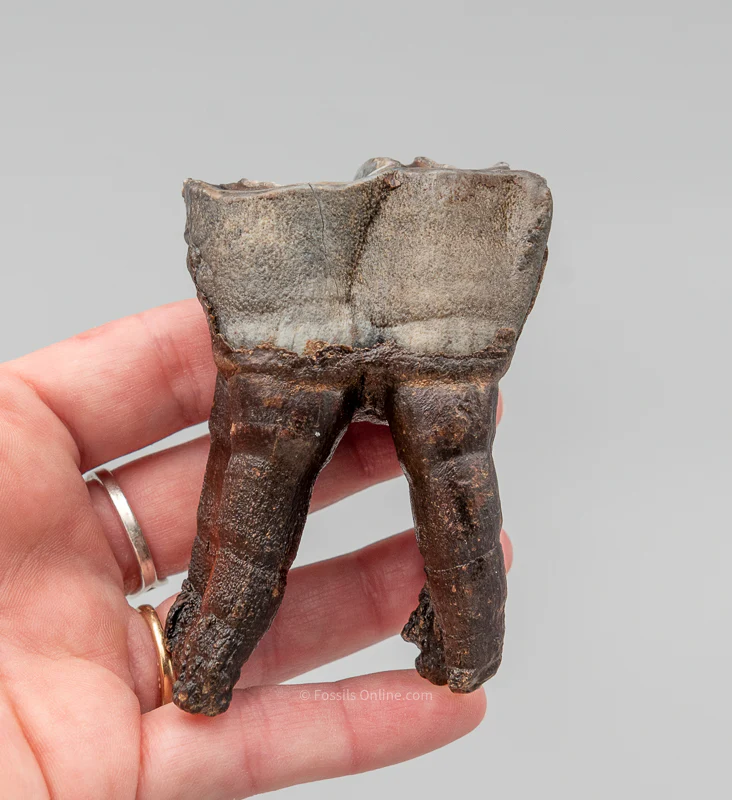
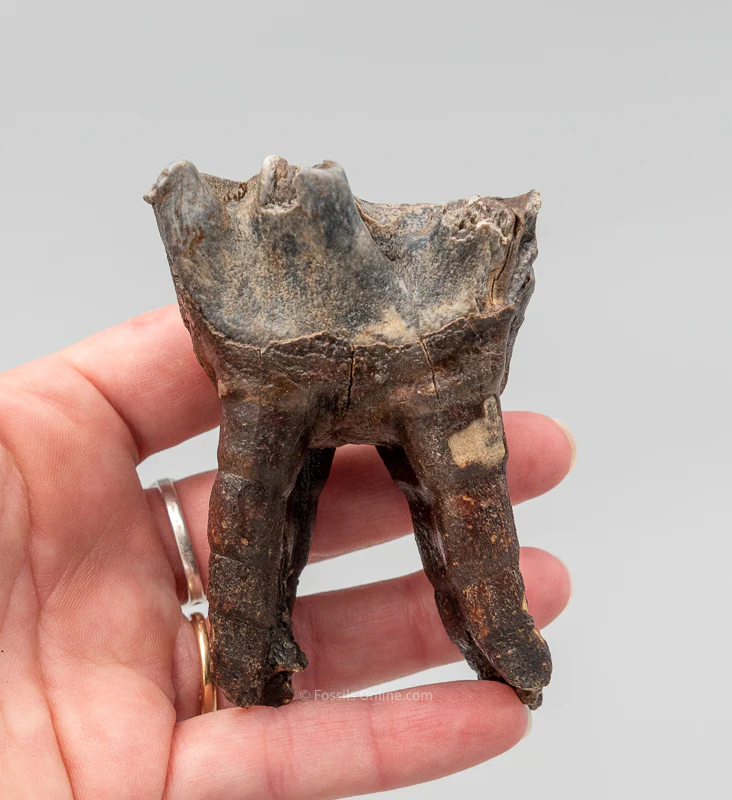
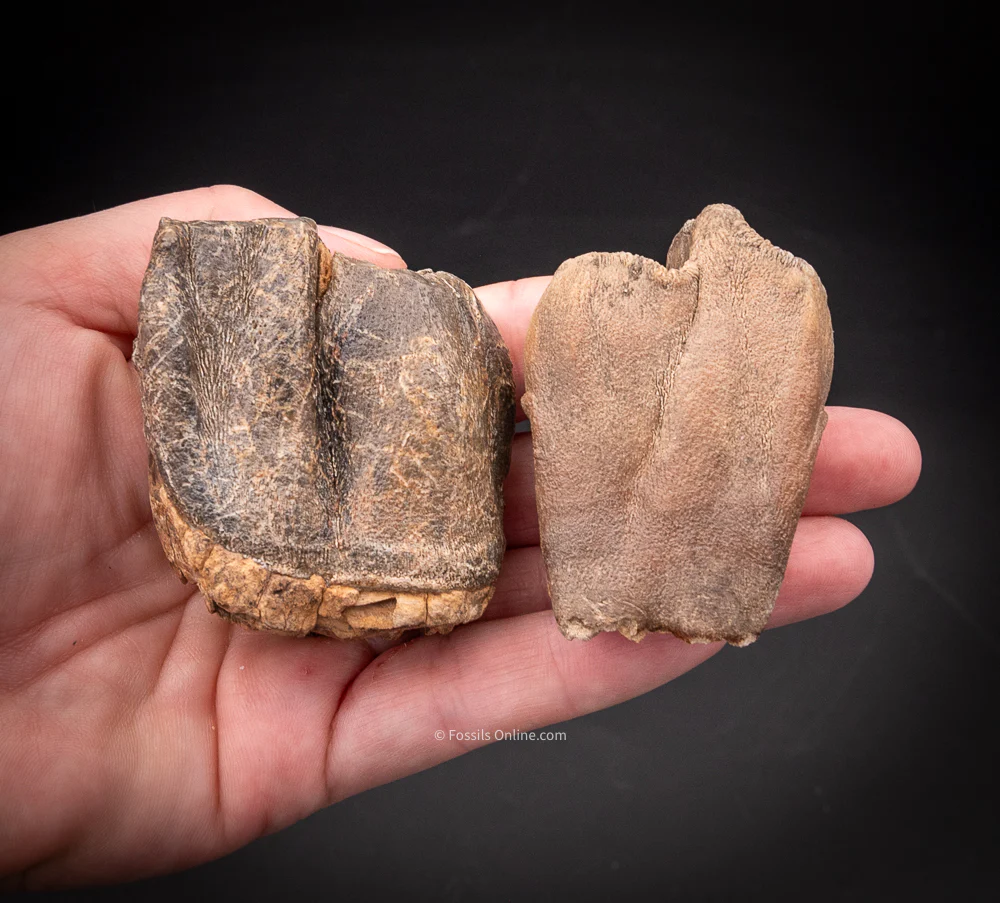
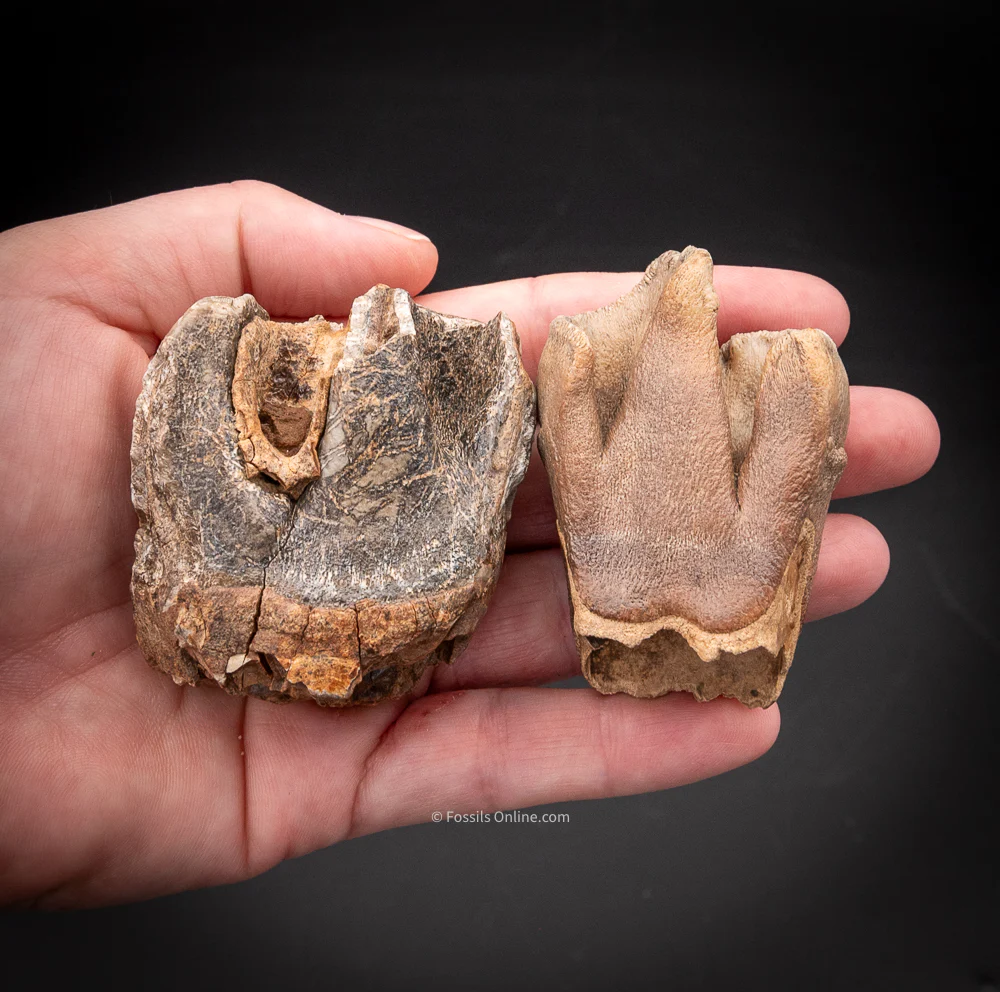
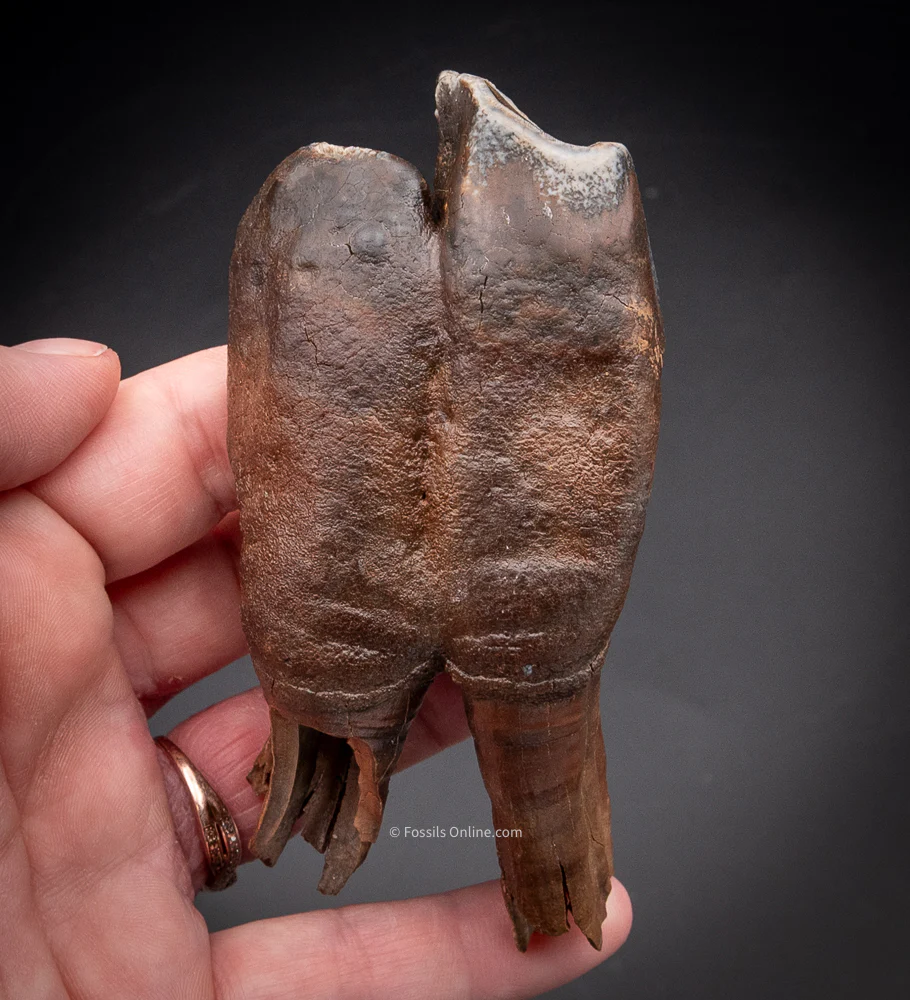
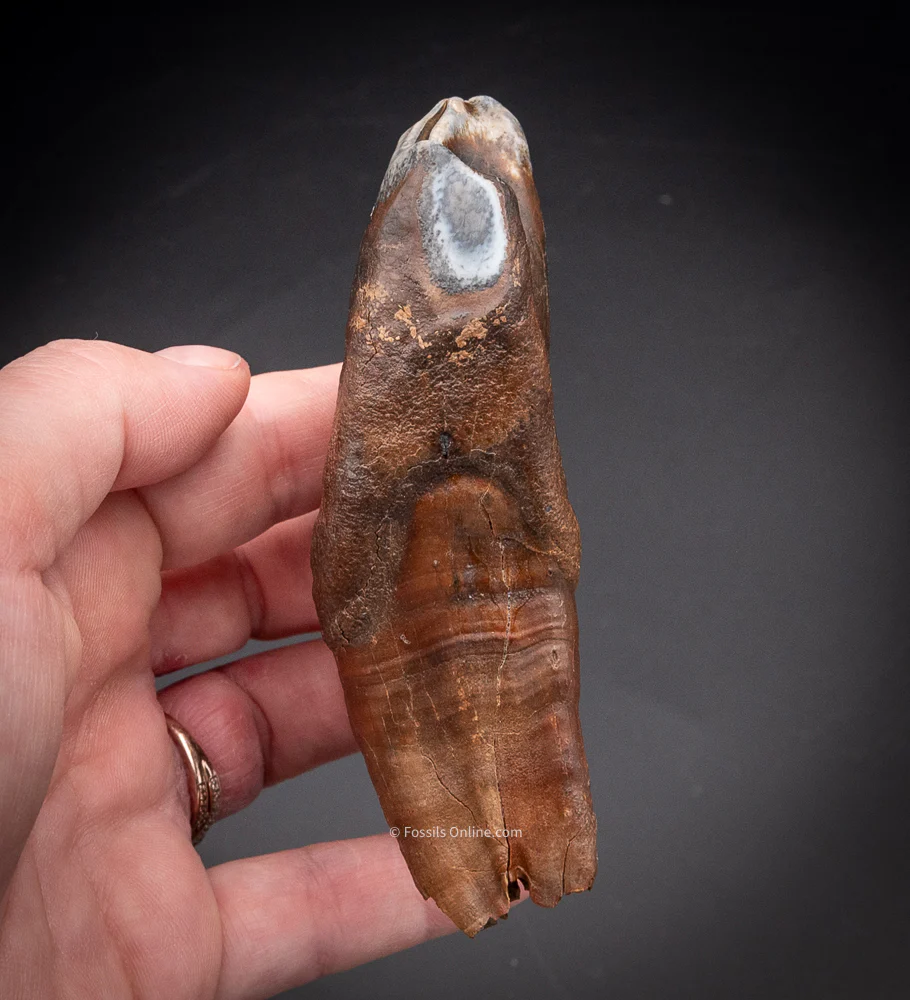
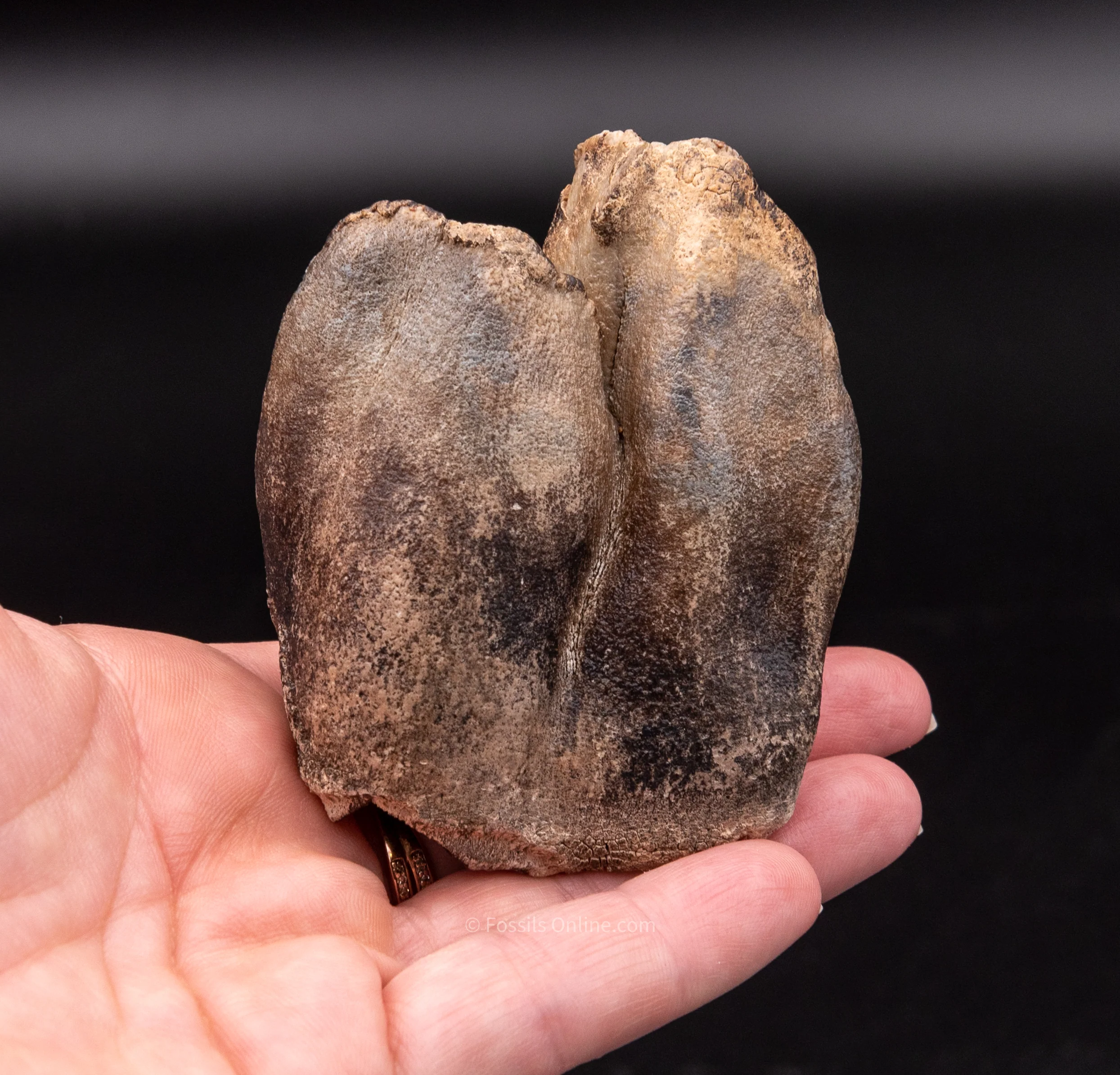
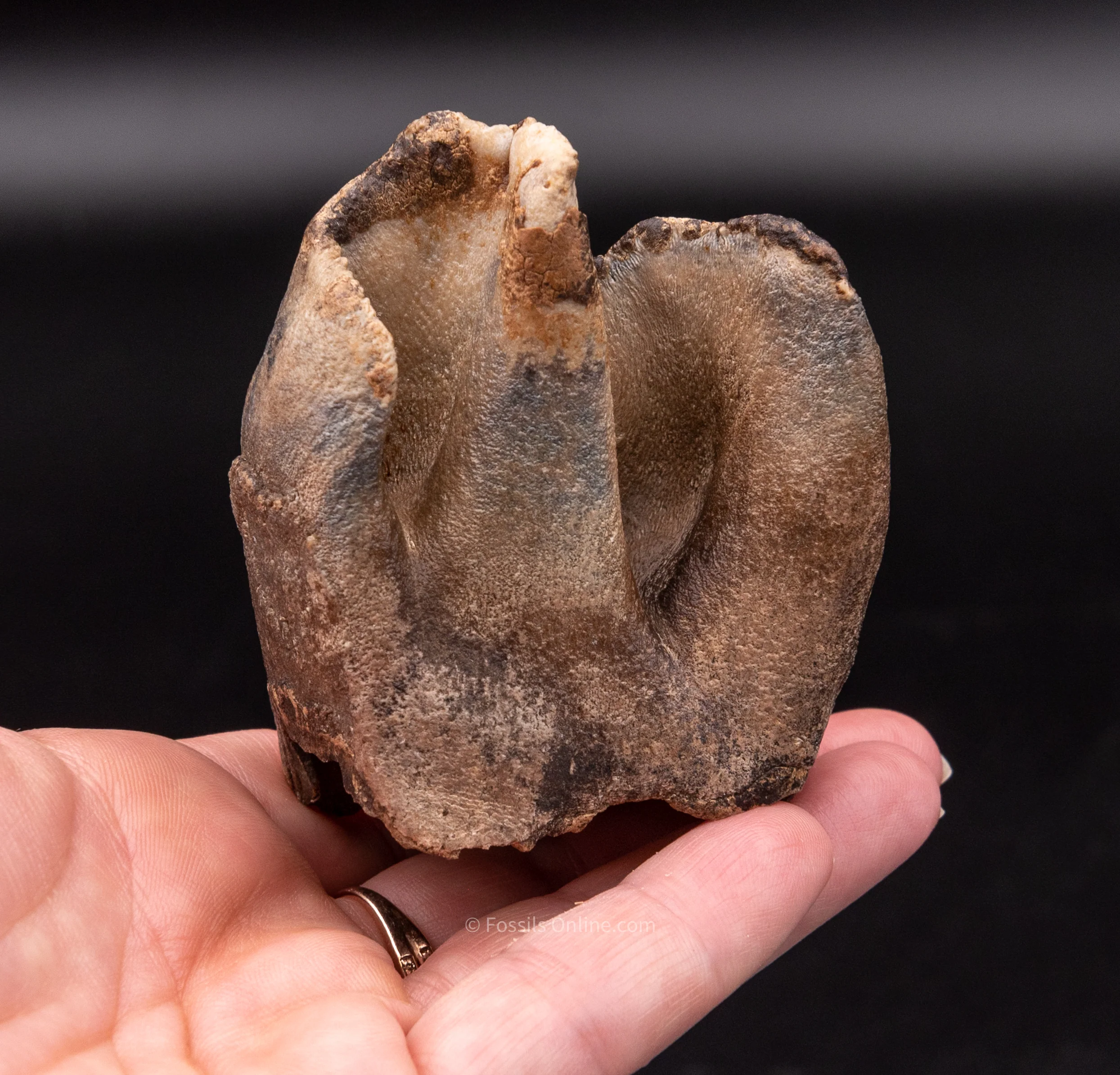
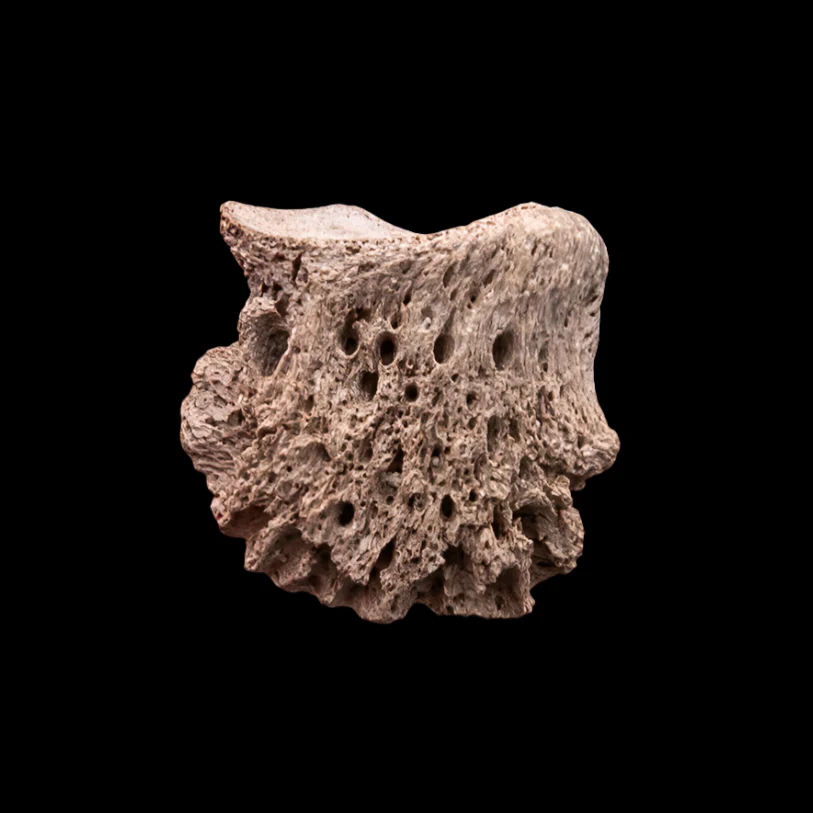
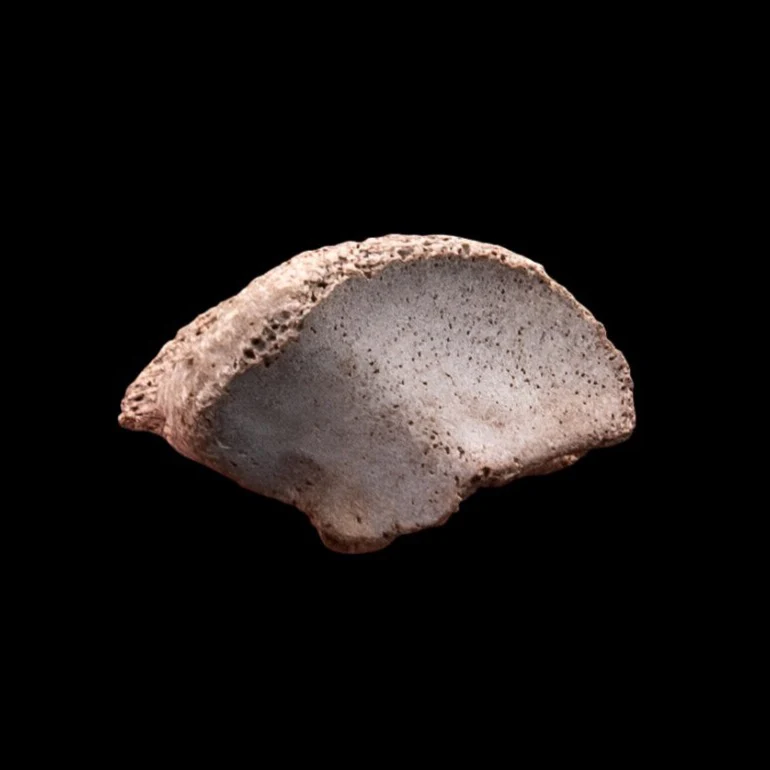
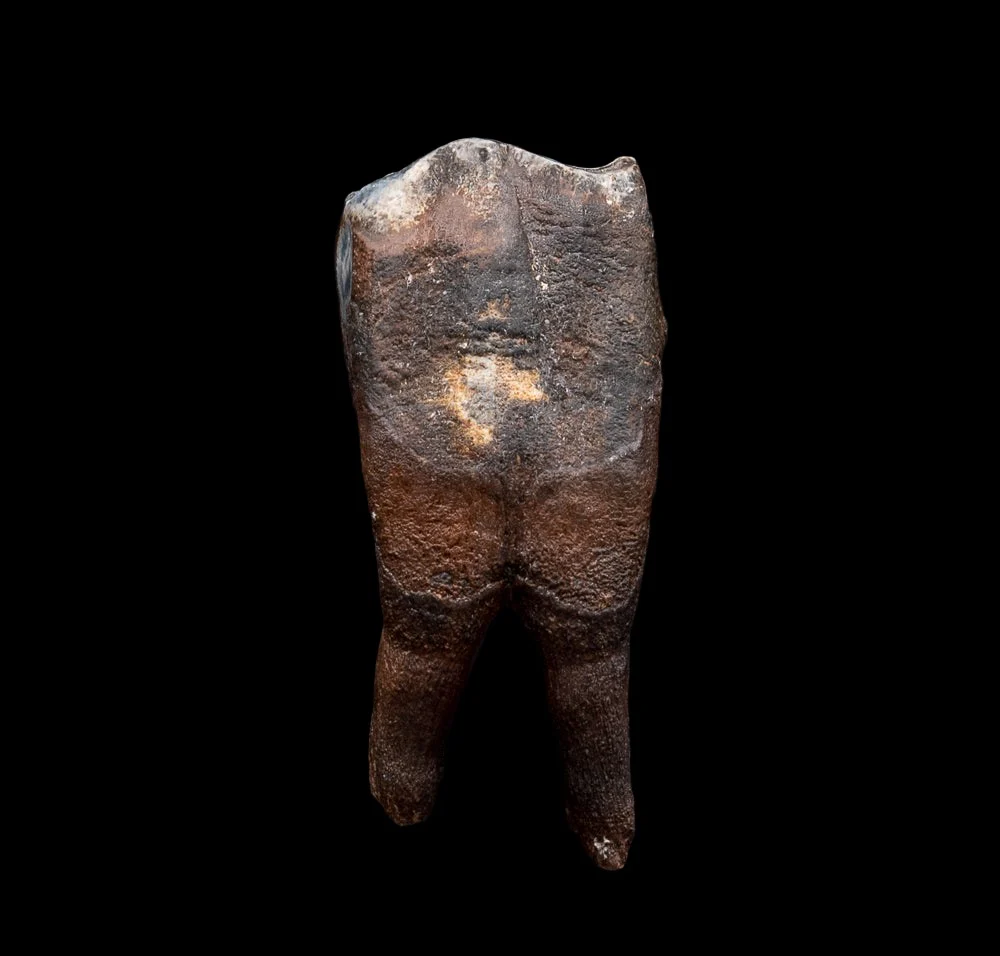
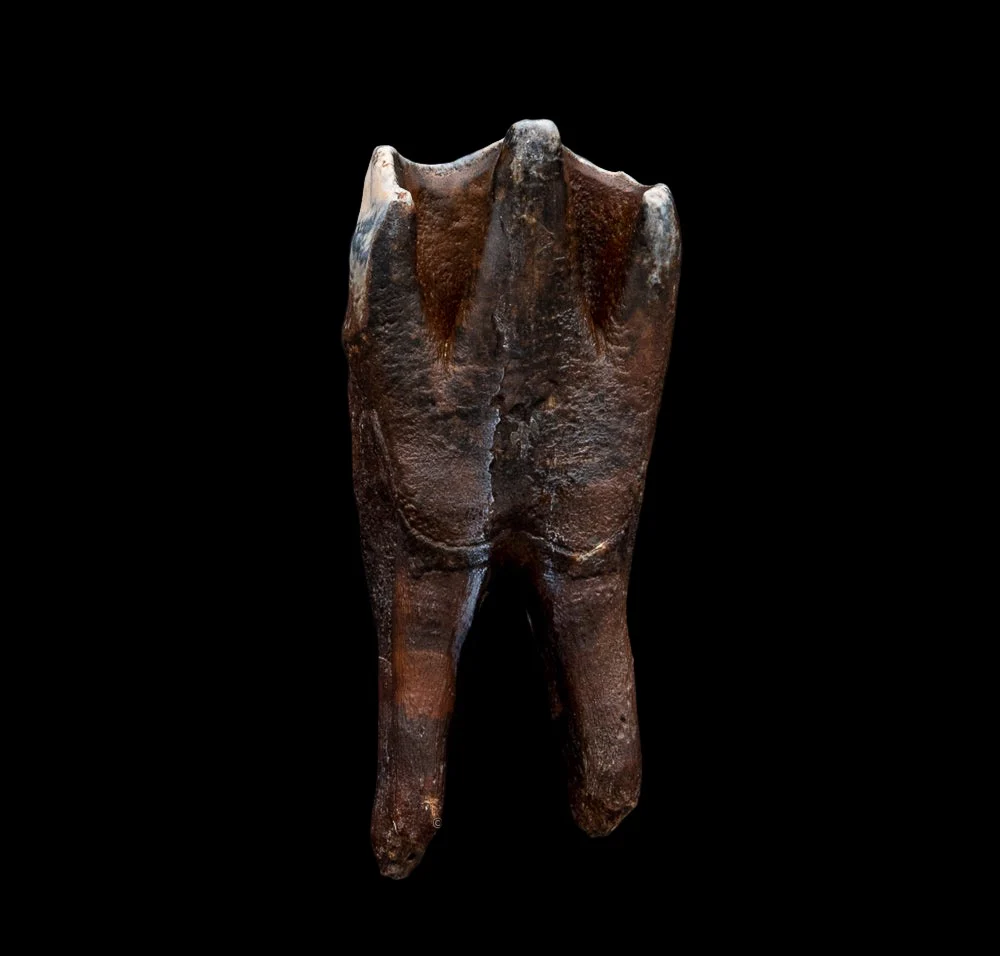
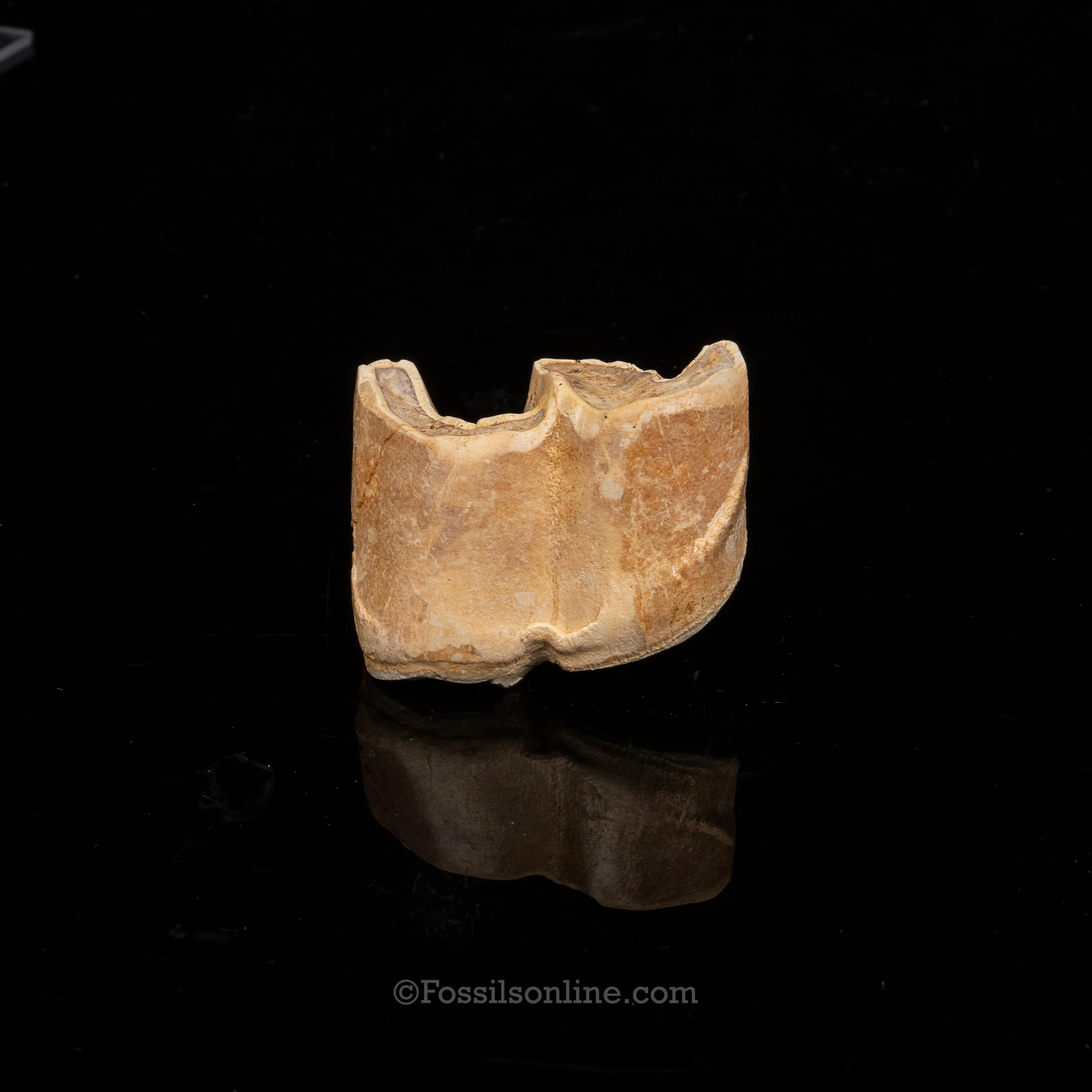
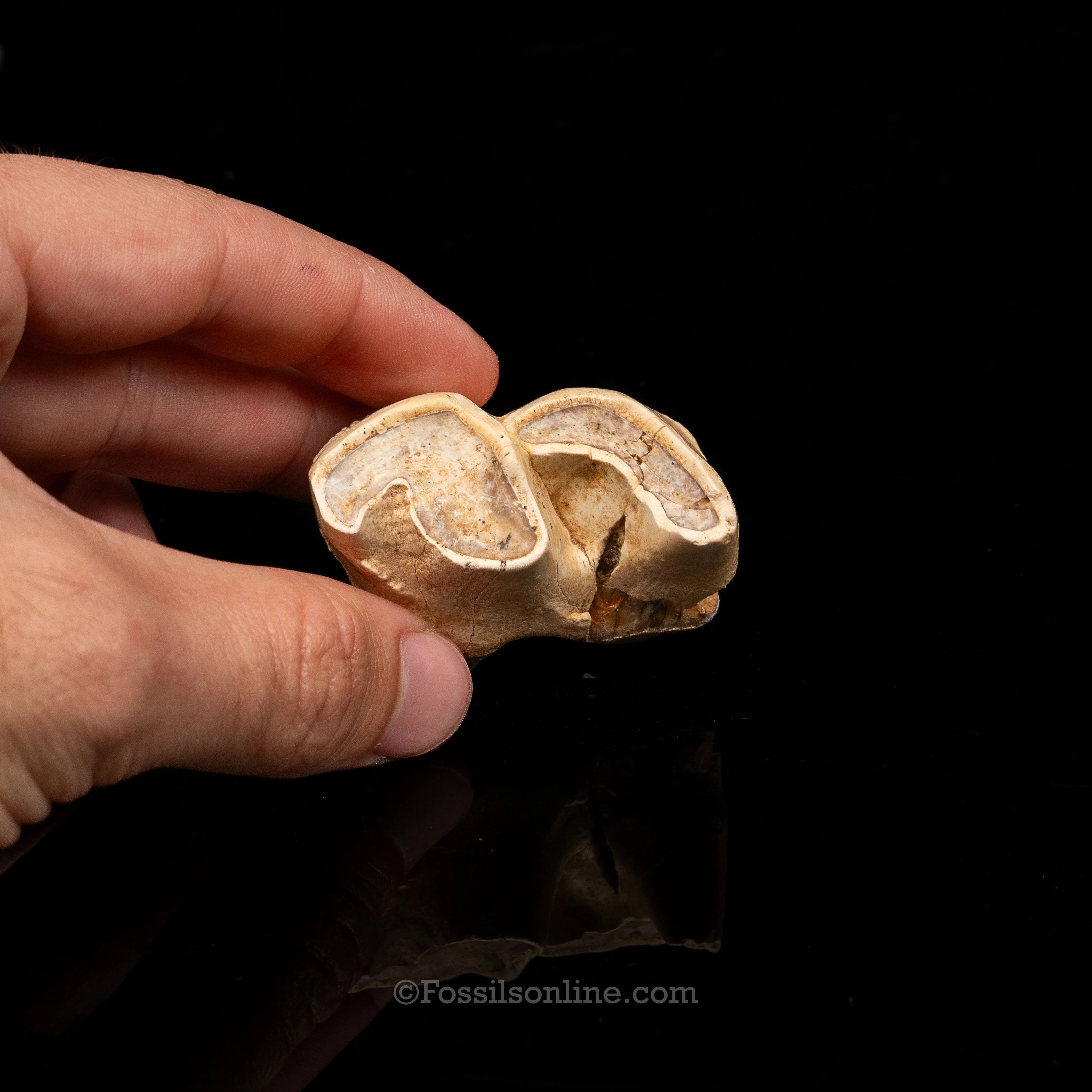
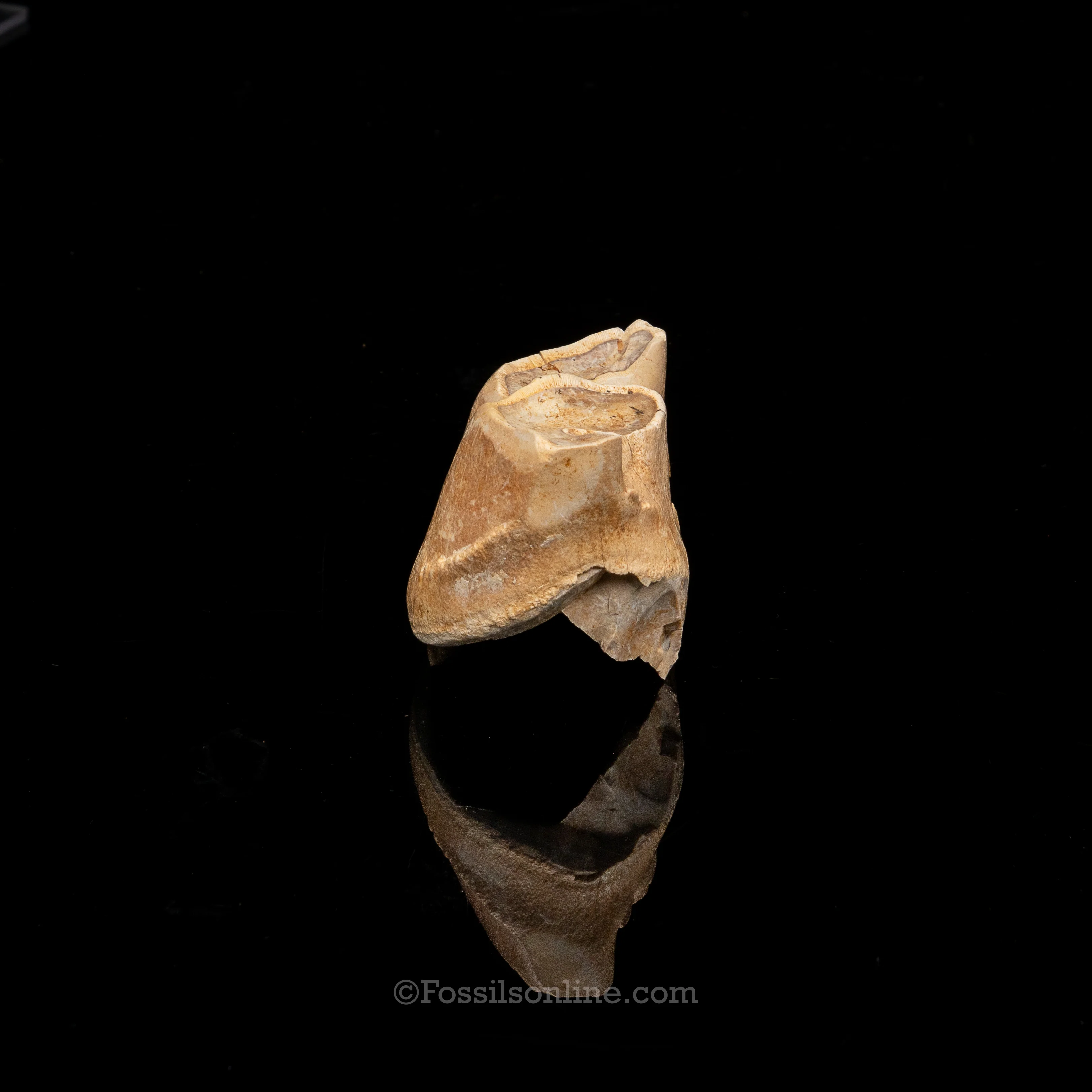
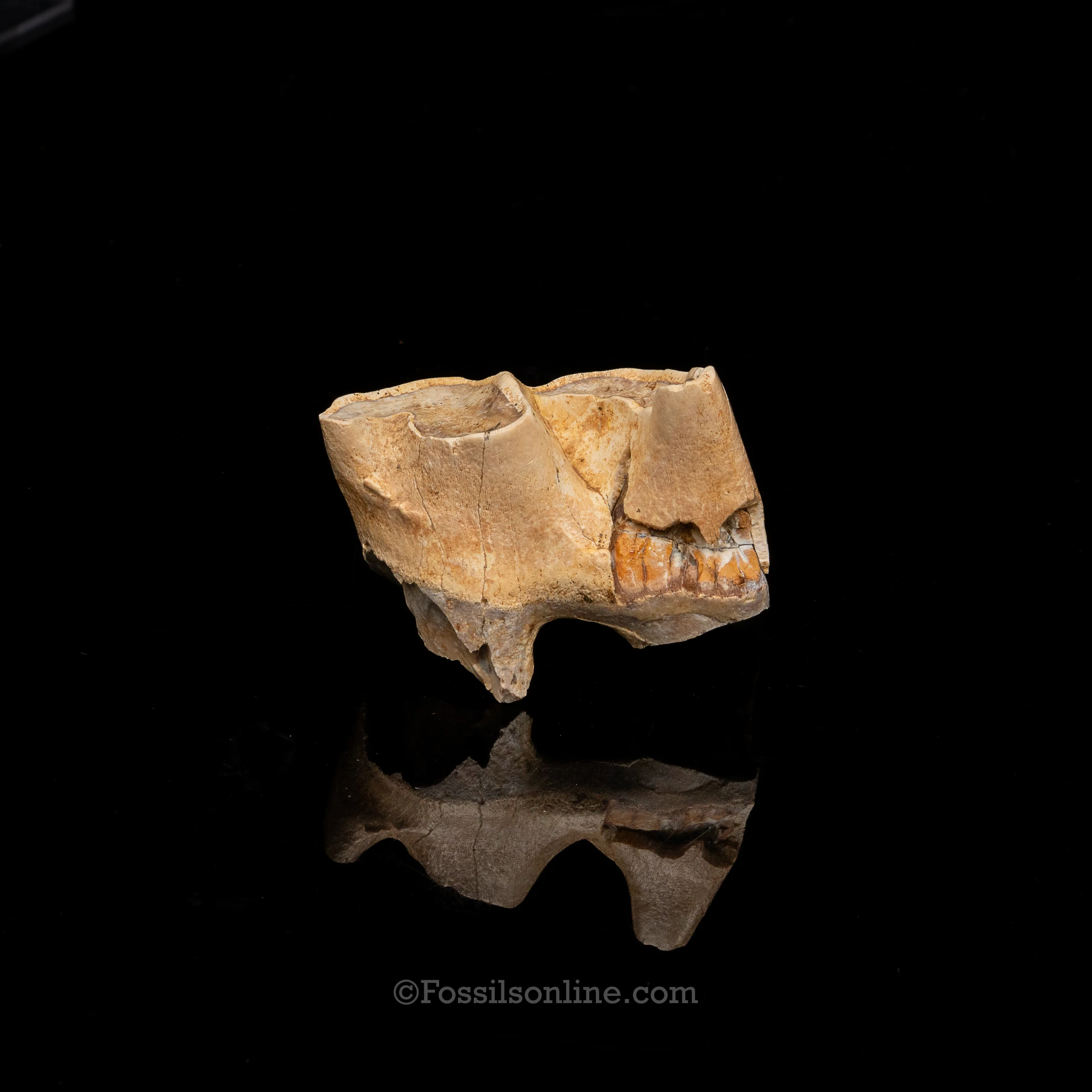
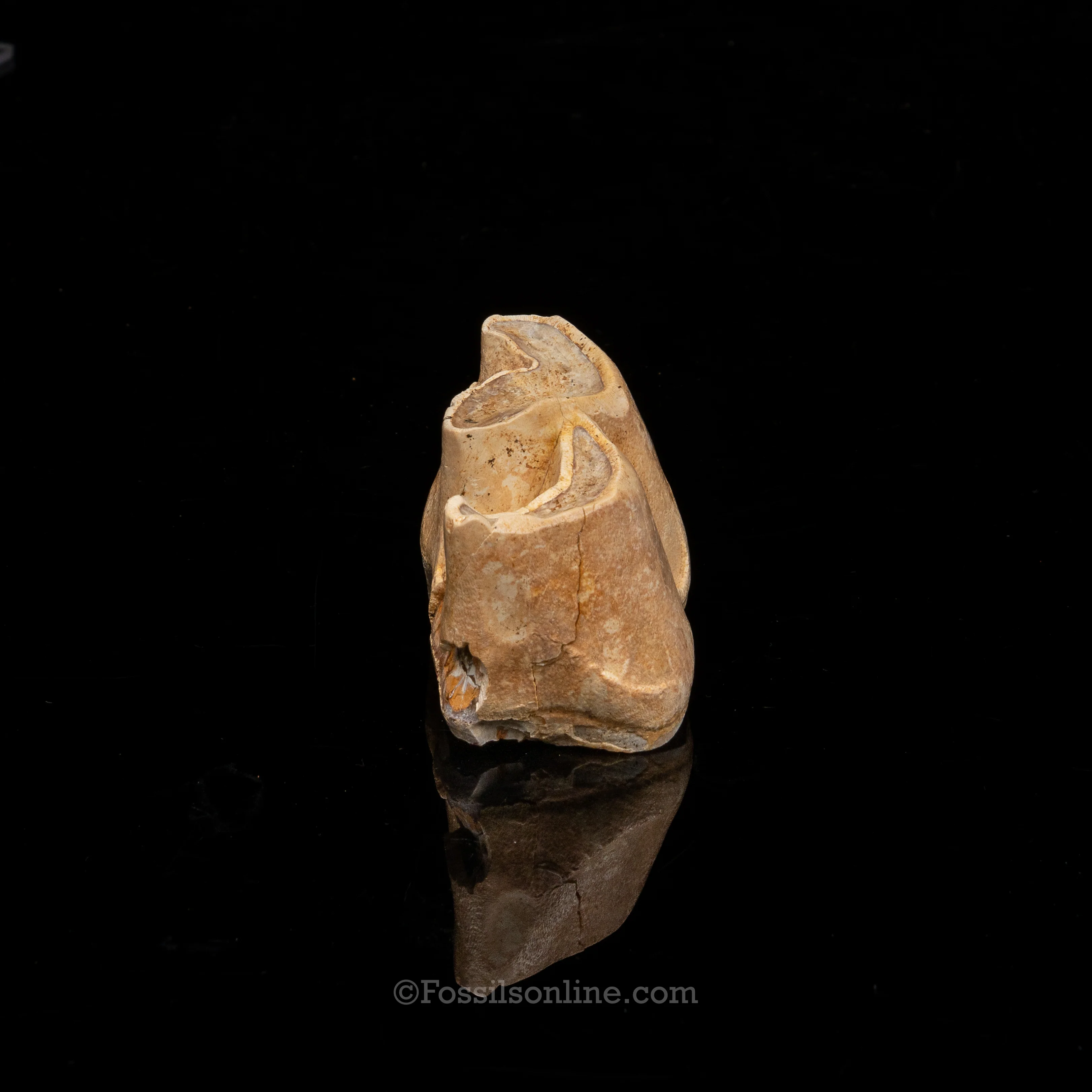
Aphelops malacorhinus was a long-legged, hornless rhinoceros of the Miocene, recovered from the scientifically celebrated Love Bone Bed near Archer, Alachua County, Florida. It was one of the most significant Miocene fossil deposits ever discovered in North America. Dating to approximately 9.5 to 9 million years old (Late Miocene). fossils from this site are incredibly rare as almost everything recovered from this site went to the collections of the University of Florida and the Florida Museum of Natural History. The specimen has been repaired and small piece is missing. Rare from this site regardless of condition.
About the species
Aphelops malacorhinus was a large, hornless rhinoceros that shared Late Miocene Florida with its stocky cousin Teleoceras proterum — yet the two animals could hardly have looked more different. Where Teleoceras was a squat, barrel-bodied grazer reminiscent of a hippopotamus, Aphelops was built like a modern black rhinoceros: tall, long-limbed, and athletic, with an estimated body mass of approximately 889 kg (nearly 2,000 lbs). Most striking of all, it lacked a nasal horn entirely — its genus name literally means "smooth face" in Greek.
This species was endemic to North America, ranging widely across the continent during the Middle and Late Miocene before vanishing entirely from the fossil record by the Early Pliocene, roughly 4.9 million years ago. It is one of the last true rhinoceroses ever to walk North American soil. Teeth of Aphelops malacorhinus are notably rarer in Florida's fossil record than those of Teleoceras, making every recovered specimen genuinely uncommon.
What it ate
Aphelops malacorhinus was primarily a browser — a leaf and shrub eater — much like the modern black rhinoceros of Africa. Its teeth are lower-crowned than those of the grazing Teleoceras, reflecting a diet focused on softer, less abrasive vegetation: leaves, twigs, and browse from trees and shrubs rather than coarse grasses. Isotopic analysis of tooth enamel confirms it continued browsing on C3 plants even as tough C4 grasses spread across North America during the Late Miocene — a dietary conservatism that may ultimately have contributed to its extinction. Some specimens show evidence of seasonal mixed-feeding, suggesting the animal occasionally resorted to more abrasive foods during dry periods or environmental stress.
Where it lived
During the Late Miocene, north-central Florida was a mosaic of subtropical forests, gallery woodlands along waterways, and open savanna. Aphelops malacorhinus preferred the wooded and brushy edges of this landscape — its long legs were well-adapted to moving through open, shrubby terrain, in contrast to the waterside, low-lying habitats favored by Teleoceras. The Love Bone Bed itself, the source of this tooth, was deposited in an ancient stream or small river channel that drained a landscape combining estuarine, wetland, and terrestrial habitats. The site sat near sea level, close to the shoreline of a much warmer, higher-seas Miocene Florida.
The Love Bone Bed — a legendary fossil site
The Love Bone Bed (University of Florida Locality AL001), located approximately one mile north of Archer, Alachua County, is one of the most scientifically important Late Miocene vertebrate fossil sites in North America. It was discovered in 1974 when Mr. Ron Love found a fossilized rhinoceros leg bone on his family's okra farm and brought it to the Florida Museum of Natural History — prompting a major University of Florida excavation that yielded an extraordinary diversity of Late Clarendonian fauna, dated to approximately 9 to 9.5 million years ago. The site preserves a rare snapshot of Florida's ancient ecosystem, combining marine, freshwater, and terrestrial vertebrates in a single deposit.
Its contemporaries
Sharing the world of Aphelops malacorhinus at the Love Bone Bed was a remarkable cast of Late Miocene animals:
- Teleoceras proterum — the short-legged barrel rhino; its direct ecological counterpart, occupying the open grassland/waterside niche while Aphelops browsed the woodlands
- Nine species of three-toed horses including Neohipparion, Hipparion, Nannippus, and Cormohipparion — a diversity of equids unimaginable today
- Giraffe-camels (Aepycamelus major) — long-necked camelids that browsed treetops like giraffes
- Gomphotheres — four-tusked proboscideans distantly related to modern elephants
- Barbourofelid false saber-toothed cats — apex predators of the Miocene, now entirely extinct
- Borophagine "bone-crushing" dogs — a long-extinct subfamily of hypercarnivorous canids
- Tapirus webbi — an extinct Florida tapir species first described from this very site
- Offshore, the warm Miocene seas were home to Otodus megalodon, whose teeth wash from Florida's rivers to this day
How did it go extinct?
The entire North American rhinoceros lineage — both Aphelops and Teleoceras — died out by approximately 4.9 million years ago, leaving the continent entirely rhino-free ever since. The collapse of both genera coincides closely with the rapid expansion of C4 grasslands across North America around 6.5 million years ago, driven by global cooling and increased aridity. For Aphelops — a committed browser dependent on woody vegetation — the progressive replacement of forest and shrubland by open grassland would have directly eroded its food supply and habitat. Climate change, coupled with the eventual arrival of South American fauna via the newly formed Central American land bridge, likely delivered the final blow to a lineage already under pressure.
Fascinating facts
- Aphelops was hornless — making it an oddity among rhinoceroses, a family almost universally associated with horns
- Males possessed large, tusk-like lower incisor teeth used in combat and display; fossil assemblages from the Love Bone Bed show balanced male/female mortality ratios, suggesting Aphelops was far less socially competitive than Teleoceras — perhaps living in a more dispersed, solitary manner similar to modern black rhinos
- The Love Bone Bed was literally discovered on an okra farm — one of paleontology's more humble origin stories
- Aphelops malacorhinus is rarer in Florida's fossil record than Teleoceras, likely because its woodland habitat was less conducive to the bone preservation conditions found in pond and river deposits
- At roughly 889 kg, Aphelops malacorhinus was actually heavier than a modern white rhino — one of the largest land animals in Miocene North America
- North America was once home to multiple rhino species simultaneously — a level of rhinoceros diversity now confined entirely to Africa and Asia
About this specimen
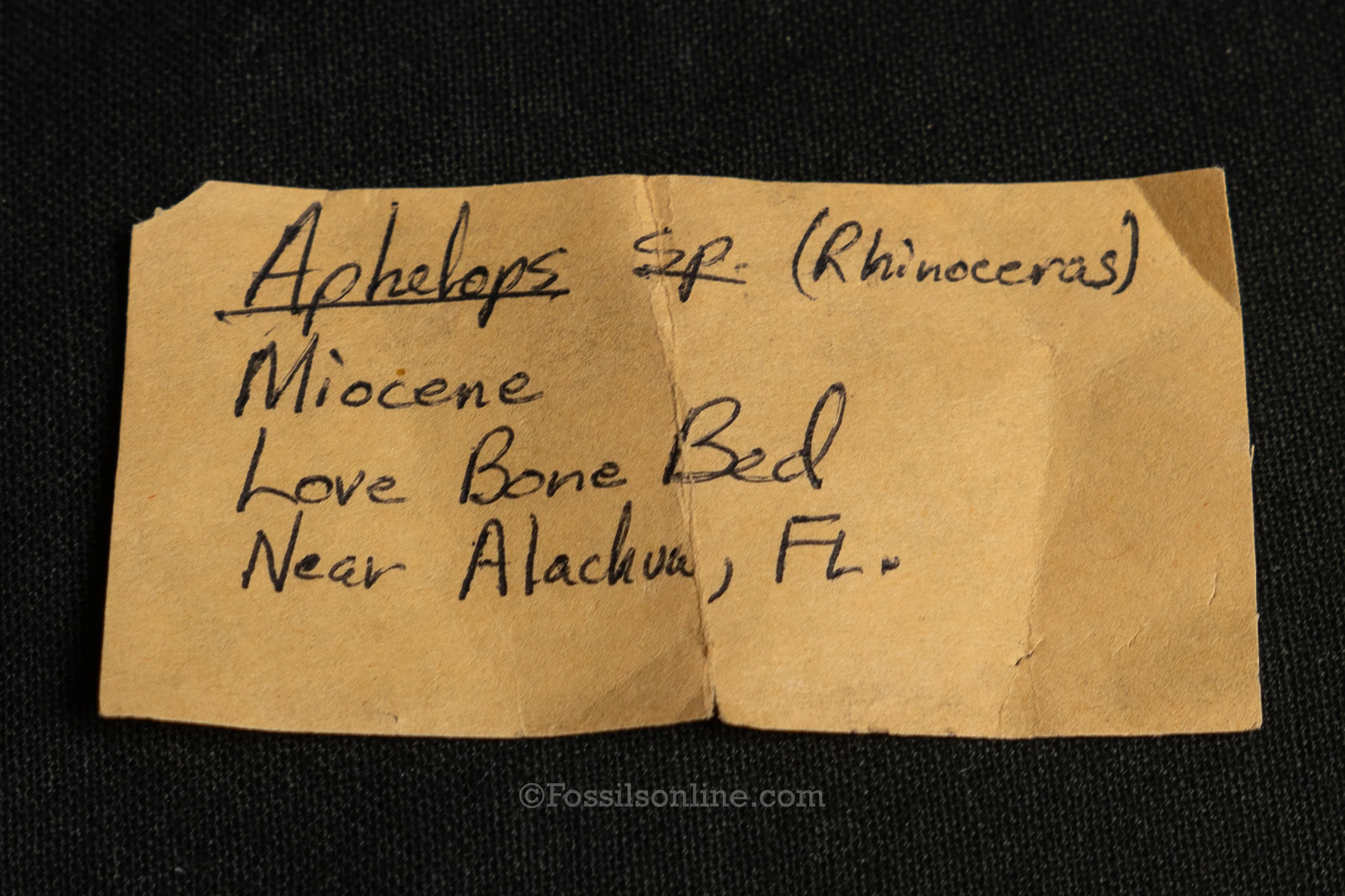
This is a genuine fossilized tooth of Aphelops malacorhinus recovered from the Love Bone Bed locality, Alachua County, Florida, approximately 9 million years old (Late Miocene, Clarendonian land mammal age). Each specimen comes with a label documenting species identification and provenance. Teeth of Aphelops are significantly less commonly found in Florida than those of Teleoceras, making this a notably rare addition to any collection of North American Miocene fauna.
Product Information
Product Information
Shipping & Returns
Shipping & Returns
Rare Florida Fossil Rhino Tooth
Rare Florida Fossil Rhino Tooth
Aphelops malacorhinus was a long-legged, hornless rhinoceros of the Miocene, recovered from the scientifically celebrated Love Bone Bed near Archer, Alachua County, Florida. It was one of the most significant Miocene fossil deposits ever discovered in North America. Dating to approximately 9.5 to 9 million years old (Late Miocene). fossils from this site are incredibly rare as almost everything recovered from this site went to the collections of the University of Florida and the Florida Museum of Natural History. The specimen has been repaired and small piece is missing. Rare from this site regardless of condition.
About the species
Aphelops malacorhinus was a large, hornless rhinoceros that shared Late Miocene Florida with its stocky cousin Teleoceras proterum — yet the two animals could hardly have looked more different. Where Teleoceras was a squat, barrel-bodied grazer reminiscent of a hippopotamus, Aphelops was built like a modern black rhinoceros: tall, long-limbed, and athletic, with an estimated body mass of approximately 889 kg (nearly 2,000 lbs). Most striking of all, it lacked a nasal horn entirely — its genus name literally means "smooth face" in Greek.
This species was endemic to North America, ranging widely across the continent during the Middle and Late Miocene before vanishing entirely from the fossil record by the Early Pliocene, roughly 4.9 million years ago. It is one of the last true rhinoceroses ever to walk North American soil. Teeth of Aphelops malacorhinus are notably rarer in Florida's fossil record than those of Teleoceras, making every recovered specimen genuinely uncommon.
What it ate
Aphelops malacorhinus was primarily a browser — a leaf and shrub eater — much like the modern black rhinoceros of Africa. Its teeth are lower-crowned than those of the grazing Teleoceras, reflecting a diet focused on softer, less abrasive vegetation: leaves, twigs, and browse from trees and shrubs rather than coarse grasses. Isotopic analysis of tooth enamel confirms it continued browsing on C3 plants even as tough C4 grasses spread across North America during the Late Miocene — a dietary conservatism that may ultimately have contributed to its extinction. Some specimens show evidence of seasonal mixed-feeding, suggesting the animal occasionally resorted to more abrasive foods during dry periods or environmental stress.
Where it lived
During the Late Miocene, north-central Florida was a mosaic of subtropical forests, gallery woodlands along waterways, and open savanna. Aphelops malacorhinus preferred the wooded and brushy edges of this landscape — its long legs were well-adapted to moving through open, shrubby terrain, in contrast to the waterside, low-lying habitats favored by Teleoceras. The Love Bone Bed itself, the source of this tooth, was deposited in an ancient stream or small river channel that drained a landscape combining estuarine, wetland, and terrestrial habitats. The site sat near sea level, close to the shoreline of a much warmer, higher-seas Miocene Florida.
The Love Bone Bed — a legendary fossil site
The Love Bone Bed (University of Florida Locality AL001), located approximately one mile north of Archer, Alachua County, is one of the most scientifically important Late Miocene vertebrate fossil sites in North America. It was discovered in 1974 when Mr. Ron Love found a fossilized rhinoceros leg bone on his family's okra farm and brought it to the Florida Museum of Natural History — prompting a major University of Florida excavation that yielded an extraordinary diversity of Late Clarendonian fauna, dated to approximately 9 to 9.5 million years ago. The site preserves a rare snapshot of Florida's ancient ecosystem, combining marine, freshwater, and terrestrial vertebrates in a single deposit.
Its contemporaries
Sharing the world of Aphelops malacorhinus at the Love Bone Bed was a remarkable cast of Late Miocene animals:
- Teleoceras proterum — the short-legged barrel rhino; its direct ecological counterpart, occupying the open grassland/waterside niche while Aphelops browsed the woodlands
- Nine species of three-toed horses including Neohipparion, Hipparion, Nannippus, and Cormohipparion — a diversity of equids unimaginable today
- Giraffe-camels (Aepycamelus major) — long-necked camelids that browsed treetops like giraffes
- Gomphotheres — four-tusked proboscideans distantly related to modern elephants
- Barbourofelid false saber-toothed cats — apex predators of the Miocene, now entirely extinct
- Borophagine "bone-crushing" dogs — a long-extinct subfamily of hypercarnivorous canids
- Tapirus webbi — an extinct Florida tapir species first described from this very site
- Offshore, the warm Miocene seas were home to Otodus megalodon, whose teeth wash from Florida's rivers to this day
How did it go extinct?
The entire North American rhinoceros lineage — both Aphelops and Teleoceras — died out by approximately 4.9 million years ago, leaving the continent entirely rhino-free ever since. The collapse of both genera coincides closely with the rapid expansion of C4 grasslands across North America around 6.5 million years ago, driven by global cooling and increased aridity. For Aphelops — a committed browser dependent on woody vegetation — the progressive replacement of forest and shrubland by open grassland would have directly eroded its food supply and habitat. Climate change, coupled with the eventual arrival of South American fauna via the newly formed Central American land bridge, likely delivered the final blow to a lineage already under pressure.
Fascinating facts
- Aphelops was hornless — making it an oddity among rhinoceroses, a family almost universally associated with horns
- Males possessed large, tusk-like lower incisor teeth used in combat and display; fossil assemblages from the Love Bone Bed show balanced male/female mortality ratios, suggesting Aphelops was far less socially competitive than Teleoceras — perhaps living in a more dispersed, solitary manner similar to modern black rhinos
- The Love Bone Bed was literally discovered on an okra farm — one of paleontology's more humble origin stories
- Aphelops malacorhinus is rarer in Florida's fossil record than Teleoceras, likely because its woodland habitat was less conducive to the bone preservation conditions found in pond and river deposits
- At roughly 889 kg, Aphelops malacorhinus was actually heavier than a modern white rhino — one of the largest land animals in Miocene North America
- North America was once home to multiple rhino species simultaneously — a level of rhinoceros diversity now confined entirely to Africa and Asia
About this specimen
This is a genuine fossilized tooth of Aphelops malacorhinus recovered from the Love Bone Bed locality, Alachua County, Florida, approximately 9 million years old (Late Miocene, Clarendonian land mammal age). Each specimen comes with a label documenting species identification and provenance. Teeth of Aphelops are significantly less commonly found in Florida than those of Teleoceras, making this a notably rare addition to any collection of North American Miocene fauna.
Product Information
Product Information
Shipping & Returns
Shipping & Returns
Description
Aphelops malacorhinus was a long-legged, hornless rhinoceros of the Miocene, recovered from the scientifically celebrated Love Bone Bed near Archer, Alachua County, Florida. It was one of the most significant Miocene fossil deposits ever discovered in North America. Dating to approximately 9.5 to 9 million years old (Late Miocene). fossils from this site are incredibly rare as almost everything recovered from this site went to the collections of the University of Florida and the Florida Museum of Natural History. The specimen has been repaired and small piece is missing. Rare from this site regardless of condition.
About the species
Aphelops malacorhinus was a large, hornless rhinoceros that shared Late Miocene Florida with its stocky cousin Teleoceras proterum — yet the two animals could hardly have looked more different. Where Teleoceras was a squat, barrel-bodied grazer reminiscent of a hippopotamus, Aphelops was built like a modern black rhinoceros: tall, long-limbed, and athletic, with an estimated body mass of approximately 889 kg (nearly 2,000 lbs). Most striking of all, it lacked a nasal horn entirely — its genus name literally means "smooth face" in Greek.
This species was endemic to North America, ranging widely across the continent during the Middle and Late Miocene before vanishing entirely from the fossil record by the Early Pliocene, roughly 4.9 million years ago. It is one of the last true rhinoceroses ever to walk North American soil. Teeth of Aphelops malacorhinus are notably rarer in Florida's fossil record than those of Teleoceras, making every recovered specimen genuinely uncommon.
What it ate
Aphelops malacorhinus was primarily a browser — a leaf and shrub eater — much like the modern black rhinoceros of Africa. Its teeth are lower-crowned than those of the grazing Teleoceras, reflecting a diet focused on softer, less abrasive vegetation: leaves, twigs, and browse from trees and shrubs rather than coarse grasses. Isotopic analysis of tooth enamel confirms it continued browsing on C3 plants even as tough C4 grasses spread across North America during the Late Miocene — a dietary conservatism that may ultimately have contributed to its extinction. Some specimens show evidence of seasonal mixed-feeding, suggesting the animal occasionally resorted to more abrasive foods during dry periods or environmental stress.
Where it lived
During the Late Miocene, north-central Florida was a mosaic of subtropical forests, gallery woodlands along waterways, and open savanna. Aphelops malacorhinus preferred the wooded and brushy edges of this landscape — its long legs were well-adapted to moving through open, shrubby terrain, in contrast to the waterside, low-lying habitats favored by Teleoceras. The Love Bone Bed itself, the source of this tooth, was deposited in an ancient stream or small river channel that drained a landscape combining estuarine, wetland, and terrestrial habitats. The site sat near sea level, close to the shoreline of a much warmer, higher-seas Miocene Florida.
The Love Bone Bed — a legendary fossil site
The Love Bone Bed (University of Florida Locality AL001), located approximately one mile north of Archer, Alachua County, is one of the most scientifically important Late Miocene vertebrate fossil sites in North America. It was discovered in 1974 when Mr. Ron Love found a fossilized rhinoceros leg bone on his family's okra farm and brought it to the Florida Museum of Natural History — prompting a major University of Florida excavation that yielded an extraordinary diversity of Late Clarendonian fauna, dated to approximately 9 to 9.5 million years ago. The site preserves a rare snapshot of Florida's ancient ecosystem, combining marine, freshwater, and terrestrial vertebrates in a single deposit.
Its contemporaries
Sharing the world of Aphelops malacorhinus at the Love Bone Bed was a remarkable cast of Late Miocene animals:
- Teleoceras proterum — the short-legged barrel rhino; its direct ecological counterpart, occupying the open grassland/waterside niche while Aphelops browsed the woodlands
- Nine species of three-toed horses including Neohipparion, Hipparion, Nannippus, and Cormohipparion — a diversity of equids unimaginable today
- Giraffe-camels (Aepycamelus major) — long-necked camelids that browsed treetops like giraffes
- Gomphotheres — four-tusked proboscideans distantly related to modern elephants
- Barbourofelid false saber-toothed cats — apex predators of the Miocene, now entirely extinct
- Borophagine "bone-crushing" dogs — a long-extinct subfamily of hypercarnivorous canids
- Tapirus webbi — an extinct Florida tapir species first described from this very site
- Offshore, the warm Miocene seas were home to Otodus megalodon, whose teeth wash from Florida's rivers to this day
How did it go extinct?
The entire North American rhinoceros lineage — both Aphelops and Teleoceras — died out by approximately 4.9 million years ago, leaving the continent entirely rhino-free ever since. The collapse of both genera coincides closely with the rapid expansion of C4 grasslands across North America around 6.5 million years ago, driven by global cooling and increased aridity. For Aphelops — a committed browser dependent on woody vegetation — the progressive replacement of forest and shrubland by open grassland would have directly eroded its food supply and habitat. Climate change, coupled with the eventual arrival of South American fauna via the newly formed Central American land bridge, likely delivered the final blow to a lineage already under pressure.
Fascinating facts
- Aphelops was hornless — making it an oddity among rhinoceroses, a family almost universally associated with horns
- Males possessed large, tusk-like lower incisor teeth used in combat and display; fossil assemblages from the Love Bone Bed show balanced male/female mortality ratios, suggesting Aphelops was far less socially competitive than Teleoceras — perhaps living in a more dispersed, solitary manner similar to modern black rhinos
- The Love Bone Bed was literally discovered on an okra farm — one of paleontology's more humble origin stories
- Aphelops malacorhinus is rarer in Florida's fossil record than Teleoceras, likely because its woodland habitat was less conducive to the bone preservation conditions found in pond and river deposits
- At roughly 889 kg, Aphelops malacorhinus was actually heavier than a modern white rhino — one of the largest land animals in Miocene North America
- North America was once home to multiple rhino species simultaneously — a level of rhinoceros diversity now confined entirely to Africa and Asia
About this specimen
This is a genuine fossilized tooth of Aphelops malacorhinus recovered from the Love Bone Bed locality, Alachua County, Florida, approximately 9 million years old (Late Miocene, Clarendonian land mammal age). Each specimen comes with a label documenting species identification and provenance. Teeth of Aphelops are significantly less commonly found in Florida than those of Teleoceras, making this a notably rare addition to any collection of North American Miocene fauna.